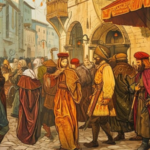
If you have ever enjoyed a puzzle or a clever question that makes you stop and think, then you have experienced a bit of what medieval riddles were all about. These were not just simple brain teasers. Medieval riddles were carefully crafted works of literature that entertained, taught lessons, and often reflected the culture and beliefs of the time.
Unlike modern riddles that are usually written for amusement, medieval riddles were both playful and serious. They could be humorous, mysterious, moral, or philosophical. They were a way for people to engage with language creatively and think in abstract ways. Solving them was a form of intellectual exercise and a test of wit.
250+ “Medieval Riddles” with Answers
Knights and Armor
- Riddle: I am worn by knights to keep them safe from steel, yet I am heavy and cold to touch. What am I?
Answer: Armor. - Riddle: I shine on a knight’s hand and can cut through foes, yet I am useless if broken. What am I?
Answer: Sword. - Riddle: I am round or pointed, sometimes with a crest, I protect the head in battle. What am I?
Answer: Helmet. - Riddle: I am flexible yet strong, made of many tiny rings linked. What am I?
Answer: Chainmail. - Riddle: I cover the feet of a knight, often made of iron. What am I?
Answer: Sabatons. - Riddle: I am strapped across the chest and can carry a weapon or a knight’s gear. What am I?
Answer: Belt or Baldric. - Riddle: I have spikes or ridges and am held in a hand, I smash through shields. What am I?
Answer: Mace. - Riddle: I am thrown from afar, my point pierces armor. What am I?
Answer: Javelin or Lance. - Riddle: I shine bright but am not a jewel; a knight carries me to show courage. What am I?
Answer: Shield. - Riddle: I hang from the shoulders and protect the arms; I am part of a knight’s ensemble. What am I?
Answer: Pauldrons.
Castles and Fortresses
- Riddle: I stand tall with walls of stone, my towers reach for the sky. What am I?
Answer: Castle. - Riddle: I surround a castle, filled with water to keep foes away. What am I?
Answer: Moat. - Riddle: I am the main door to a fortress, strong and often reinforced with iron. What am I?
Answer: Gatehouse. - Riddle: I am a high wall, sometimes walkable, defending the keep. What am I?
Answer: Rampart. - Riddle: I stand at the top of the tower, often where guards watch for enemies. What am I?
Answer: Watchtower. - Riddle: I am the central stronghold inside a castle, where the lord lives. What am I?
Answer: Keep. - Riddle: I am the drawbridge that lets people in or keeps them out. What am I?
Answer: Drawbridge. - Riddle: I am a narrow passage atop walls, where archers defend the castle. What am I?
Answer: Battlement. - Riddle: I am a small door in a wall, used for secret entries or exits. What am I?
Answer: Postern. - Riddle: I am the thickest part of the wall, strong enough to withstand siege engines. What am I?
Answer: Curtain wall.
Medieval Royalty
- Riddle: I wear a crown and rule the land, yet I cannot fight with my own hand. What am I?
Answer: King. - Riddle: I am married to the ruler and share the throne, often seen in a gown. What am I?
Answer: Queen. - Riddle: I am next in line to inherit the crown. What am I?
Answer: Prince or Princess. - Riddle: I serve the king and advise him on matters of the land. What am I?
Answer: Chancellor or Advisor. - Riddle: I am a royal servant, entrusted with jewels and treasures. What am I?
Answer: Steward. - Riddle: I lead knights in battle under the king’s command. What am I?
Answer: General or Commander. - Riddle: I am a scepter or orb, symbols of royal authority. What am I?
Answer: Royal regalia. - Riddle: I am a royal ceremony to officially crown a new king. What am I?
Answer: Coronation. - Riddle: I am a decree signed by the king that changes the law. What am I?
Answer: Royal edict. - Riddle: I am the special seat where the king holds court. What am I?
Answer: Throne.
Heraldry and Coats of Arms
- Riddle: I am a colorful design that represents a family or knight. What am I?
Answer: Coat of arms. - Riddle: I am a symbol, often an animal, used on a shield to show courage. What am I?
Answer: Heraldic charge. - Riddle: I am the background color or pattern behind the symbols. What am I?
Answer: Field. - Riddle: I am a helmet above a shield in heraldic art. What am I?
Answer: Helm. - Riddle: I am a banner carried in battle showing the coat of arms. What am I?
Answer: Standard. - Riddle: I am the motto beneath a coat of arms, often giving wisdom or warning. What am I?
Answer: Motto. - Riddle: I am the animal that represents bravery, often on shields and banners. What am I?
Answer: Lion. - Riddle: I am a small ornament on top of the helm in heraldry. What am I?
Answer: Crest. - Riddle: I am stripes, lines, or chevrons decorating a shield. What am I?
Answer: Ordinaries. - Riddle: I surround a shield in decorative leaves and scrolls. What am I?
Answer: Mantling.
Chivalry and Codes of Conduct
- Riddle: I guide knights to act with honor, courage, and loyalty. What am I?
Answer: Code of chivalry. - Riddle: I am the act of protecting the weak and innocent. What am I?
Answer: Valor. - Riddle: I am loyalty to a lord, even in battle. What am I?
Answer: Fealty. - Riddle: I am respect shown to women, as knights were expected to do. What am I?
Answer: Courtesy. - Riddle: I am a knight’s promise before going on a quest. What am I?
Answer: Oath. - Riddle: I am the public ceremony where a squire becomes a knight. What am I?
Answer: Knighthood. - Riddle: I am courage in the face of danger. What am I?
Answer: Bravery. - Riddle: I am the enemy a knight must fight against injustice. What am I?
Answer: Evil or Oppression. - Riddle: I am the art of honorable fighting for a knight. What am I?
Answer: Combat skill. - Riddle: I am the spirit of selflessness and defending others. What am I?
Answer: Chivalric duty.
Medieval Occupations
- Riddle: I forge weapons and tools from metal. What am I?
Answer: Blacksmith. - Riddle: I write manuscripts and copy books in monasteries. What am I?
Answer: Scribe. - Riddle: I tend the fields and animals to feed the village. What am I?
Answer: Farmer. - Riddle: I entertain lords with music and tales. What am I?
Answer: Minstrel. - Riddle: I build houses, castles, and towers from stone. What am I?
Answer: Mason. - Riddle: I sell goods in the market and trade across lands. What am I?
Answer: Merchant. - Riddle: I care for the sick with herbs and potions. What am I?
Answer: Healer or Apothecary. - Riddle: I ride on horseback and deliver messages quickly. What am I?
Answer: Messenger. - Riddle: I am a servant in the lord’s hall, serving food and drink. What am I?
Answer: Steward or Butler. - Riddle: I repair shoes for the villagers and knights alike. What am I?
Answer: Cobbler.
Feasts and Banquets
- Riddle: I am a large table where nobles gather to eat. What am I?
Answer: Banquet table. - Riddle: I am a roasted bird often served at feasts. What am I?
Answer: Turkey or Goose. - Riddle: I hold wine or mead for drinking. What am I?
Answer: Goblet. - Riddle: I am a sweet treat made from honey or fruit. What am I?
Answer: Pastry or Tart. - Riddle: I am a large meat cooked on a spit over fire. What am I?
Answer: Roast. - Riddle: I am a long loaf of bread served with every meal. What am I?
Answer: Loaf of bread. - Riddle: I am a plate or dish, often metal, for holding food. What am I?
Answer: Trencher. - Riddle: I am the feast’s first course, often soup or pottage. What am I?
Answer: Starter or Pottage. - Riddle: I am music played while people eat and dance. What am I?
Answer: Minstrel’s tune. - Riddle: I am the toast made in honor of the lord or lady. What am I?
Answer: Cheers or Salutation.
Mythical Creatures
- Riddle: I breathe fire and hoard gold in my cave. What am I?
Answer: Dragon. - Riddle: I am a horse with a single horn on my forehead. What am I?
Answer: Unicorn. - Riddle: I have the body of a lion and the wings of an eagle. What am I?
Answer: Griffin. - Riddle: I rise from the dead at night to scare villagers. What am I?
Answer: Vampire. - Riddle: I am half man, half horse, known for wild behavior. What am I?
Answer: Centaur. - Riddle: I lure sailors to their doom with my song. What am I?
Answer: Siren. - Riddle: I am a giant one-eyed monster from old tales. What am I?
Answer: Cyclops. - Riddle: I am a water spirit, often in lakes or rivers. What am I?
Answer: Nymph or Naiad. - Riddle: I am a creature that can turn men to stone with my gaze. What am I?
Answer: Gorgon. - Riddle: I am a small mischievous being, sometimes helpful or harmful. What am I?
Answer: Goblin or Imp.
Tournaments and Jousts
- Riddle: I am the contest where knights ride at full speed and try to knock each other down. What am I?
Answer: Joust. - Riddle: I am the long pole used by knights to strike opponents in tournaments. What am I?
Answer: Lance. - Riddle: I am the ring or target that knights aim for in skill games. What am I?
Answer: Quintain. - Riddle: I am the crowd of people who watch knights compete. What am I?
Answer: Spectators. - Riddle: I am the knight’s horse trained for speed and agility in tournaments. What am I?
Answer: Charger. - Riddle: I am the victory awarded to the knight who performs best. What am I?
Answer: Prize or Trophy. - Riddle: I am a shield used only in practice or mock combat. What am I?
Answer: Tournament shield. - Riddle: I am the armor specially made lighter for games and contests. What am I?
Answer: Tournament armor. - Riddle: I am the area where knights perform their contests. What am I?
Answer: Lists or Arena. - Riddle: I am the act of charging at full speed with a lance to strike a target. What am I?
Answer: Tilt.
Medieval Weapons
- Riddle: I am a pointed weapon thrown from a distance. What am I?
Answer: Javelin. - Riddle: I am a long blade used by knights in battle. What am I?
Answer: Sword. - Riddle: I am a heavy club with spikes to crush armor. What am I?
Answer: Mace. - Riddle: I am used to hurl stones or bolts across castle walls. What am I?
Answer: Catapult. - Riddle: I am a curved bow used to shoot arrows long distances. What am I?
Answer: Longbow. - Riddle: I am a handheld weapon with a sharp edge and short handle. What am I?
Answer: Dagger. - Riddle: I am a weapon with a chain and spiked ball, swinging to strike enemies. What am I?
Answer: Flail. - Riddle: I am a cross-shaped bow fired with a crank or string. What am I?
Answer: Crossbow. - Riddle: I am a heavy two-handed axe used to break shields. What am I?
Answer: Battle axe. - Riddle: I am a spear thrown to hunt or fight, sometimes with a broad blade. What am I?
Answer: Halberd or Spear.
Monks and Monasteries
- Riddle: I live in silence, pray, and work in the monastery. What am I?
Answer: Monk. - Riddle: I am the place where monks live and pray. What am I?
Answer: Monastery. - Riddle: I am a book copied by monks, often with colorful illustrations. What am I?
Answer: Manuscript. - Riddle: I am the daily ritual where monks gather to sing and pray. What am I?
Answer: Divine Office or Liturgy. - Riddle: I am a monk who tends gardens and grows herbs. What am I?
Answer: Herbalist monk. - Riddle: I am the small room where a monk sleeps. What am I?
Answer: Cell. - Riddle: I am a hall where monks gather to eat meals in silence. What am I?
Answer: Refectory. - Riddle: I am a place where monks wash and bathe. What am I?
Answer: Lavatorium. - Riddle: I am the process of writing sacred texts by hand. What am I?
Answer: Scribing. - Riddle: I am the vow of poverty, chastity, and obedience taken by monks. What am I?
Answer: Monastic vow.
Medieval Folklore
- Riddle: I am a story passed down by word of mouth, full of magic and heroes. What am I?
Answer: Folktale. - Riddle: I am a creature said to haunt forests or rivers at night. What am I?
Answer: Spirit or Ghost. - Riddle: I am a mischievous little being that plays tricks on humans. What am I?
Answer: Imp or Goblin. - Riddle: I am a wise woman often blamed for curses or blessings. What am I?
Answer: Witch. - Riddle: I am a giant being in stories, often living in mountains. What am I?
Answer: Giant. - Riddle: I am a magical object hidden in the story, often granting wishes. What am I?
Answer: Amulet or Treasure. - Riddle: I am a talking animal that teaches lessons in tales. What am I?
Answer: Fable creature. - Riddle: I am a hero who goes on a quest to defeat evil. What am I?
Answer: Knight or Hero. - Riddle: I am the monster that heroes must slay in stories. What am I?
Answer: Dragon. - Riddle: I am a night creature that warns or frightens in legends. What am I?
Answer: Owl.
Herbalism and Potions
- Riddle: I am green, grow in gardens, and heal wounds. What am I?
Answer: Herb. - Riddle: I am brewed in a cauldron to cure ailments. What am I?
Answer: Potion. - Riddle: I am a plant used to flavor food and medicine. What am I?
Answer: Sage. - Riddle: I am crushed leaves that make tea or remedies. What am I?
Answer: Infusion. - Riddle: I am a root used to relieve pain or sickness. What am I?
Answer: Ginger or Mandrake. - Riddle: I am a liquid extracted from plants used in potions. What am I?
Answer: Extract or Tincture. - Riddle: I am dried flowers used for healing or magic. What am I?
Answer: Herbs or Petals. - Riddle: I am added to a potion to make it bubble or change color. What am I?
Answer: Magical ingredient or Alchemical reagent. - Riddle: I am a plant believed to ward off evil spirits. What am I?
Answer: Garlic. - Riddle: I am a mixture that can cure fever or poison. What am I?
Answer: Elixir.
Medieval Clothing
- Riddle: I cover the body and arms, often worn by nobles. What am I?
Answer: Tunic. - Riddle: I am a coat of armor made of interlinked rings. What am I?
Answer: Chainmail. - Riddle: I am a flowing outer garment worn by ladies and lords. What am I?
Answer: Cloak or Gown. - Riddle: I cover the legs and sometimes the feet. What am I?
Answer: Hose or Leggings. - Riddle: I am a piece of cloth wrapped around the head. What am I?
Answer: Hood. - Riddle: I am a decorative piece worn around the neck. What am I?
Answer: Collar or Necklace. - Riddle: I am a heavy belt worn by knights to hold weapons. What am I?
Answer: Baldric or Girdle. - Riddle: I cover the feet, often made of leather. What am I?
Answer: Shoes or Boots. - Riddle: I am a hat with a brim or peak worn outdoors. What am I?
Answer: Cap or Coif. - Riddle: I am a soft shirt worn under armor for comfort. What am I?
Answer: Gambeson.
Medieval Architecture
- Riddle: I am the tall pointed structure of a cathedral. What am I?
Answer: Spire. - Riddle: I am a bridge made of stone over rivers or moats. What am I?
Answer: Stone bridge. - Riddle: I am the thick wall surrounding castles. What am I?
Answer: Curtain wall. - Riddle: I am the vaulted ceiling inside cathedrals. What am I?
Answer: Rib vault. - Riddle: I am a circular tower projecting from a castle. What am I?
Answer: Turret. - Riddle: I am a large entrance to a cathedral with carvings. What am I?
Answer: Portal. - Riddle: I am a place with large windows filled with colored glass. What am I?
Answer: Stained glass window. - Riddle: I am a fortified gate to protect a town or castle. What am I?
Answer: Gatehouse. - Riddle: I am an open courtyard inside a castle or monastery. What am I?
Answer: Courtyard. - Riddle: I am a room high in a tower for defense or lookout. What am I?
Answer: Watchtower.
Peasants and Village Life
- Riddle: I till the soil and grow crops for the village. What am I?
Answer: Farmer. - Riddle: I carry water from the well to homes. What am I?
Answer: Water bearer. - Riddle: I bake bread for the villagers each morning. What am I?
Answer: Baker. - Riddle: I herd cows, sheep, or goats for milk and wool. What am I?
Answer: Shepherd. - Riddle: I mend roofs, walls, and fences in the village. What am I?
Answer: Carpenter. - Riddle: I catch fish from rivers to feed the village. What am I?
Answer: Fisherman. - Riddle: I make candles or soap from wax or tallow. What am I?
Answer: Chandlery or Candle maker. - Riddle: I grind grain into flour using stones. What am I?
Answer: Miller. - Riddle: I sell goods at the market to villagers and travelers. What am I?
Answer: Merchant. - Riddle: I maintain the village fire and heat for cooking. What am I?
Answer: Hearth keeper.
Ships and Seafaring
- Riddle: I float on water and carry goods and people across seas. What am I?
Answer: Ship. - Riddle: I am the long pole used to steer a ship. What am I?
Answer: Rudder. - Riddle: I am a large sail that catches the wind to move the ship. What am I?
Answer: Main sail. - Riddle: I am the captain’s lookout high above the deck. What am I?
Answer: Crow’s nest. - Riddle: I am a rope used to raise or lower sails. What am I?
Answer: Halyard. - Riddle: I am a ship’s anchor that holds it fast in water. What am I?
Answer: Anchor. - Riddle: I am a long, thin boat used for speed or scouting. What am I?
Answer: Longboat. - Riddle: I am a navigator’s tool to measure the stars at sea. What am I?
Answer: Astrolabe. - Riddle: I am a plank used to board or leave a ship. What am I?
Answer: Gangplank. - Riddle: I am a rope ladder or steps hung on the side of a ship. What am I?
Answer: Jacob’s ladder.
Medieval Festivals
- Riddle: I am a yearly celebration where people feast and dance. What am I?
Answer: Festival. - Riddle: I am a game played during fairs to win prizes. What am I?
Answer: Archery contest. - Riddle: I am a musical performance that entertains the crowd. What am I?
Answer: Minstrel performance. - Riddle: I am a brightly colored tent where nobles gather. What am I?
Answer: Pavilion. - Riddle: I am a parade of knights and performers through the town. What am I?
Answer: Procession. - Riddle: I am a type of cake or sweet eaten during celebrations. What am I?
Answer: Pie or Tart. - Riddle: I am a game where players try to capture flags. What am I?
Answer: Capture the banner. - Riddle: I am the dance where people hold hands in circles. What am I?
Answer: Round dance. - Riddle: I am a performance telling heroic or magical tales. What am I?
Answer: Play or Pageant. - Riddle: I am the night when people light torches and bonfires. What am I?
Answer: Festival night or Bonfire night.
Religious Symbols and Rites
- Riddle: I am the symbol of faith, often worn or displayed in churches. What am I?
Answer: Cross. - Riddle: I am holy water used for blessing and cleansing. What am I?
Answer: Holy water. - Riddle: I am a sacred book read by priests and monks. What am I?
Answer: Bible. - Riddle: I am a ceremony to initiate a child into the faith. What am I?
Answer: Baptism. - Riddle: I am a ritual meal representing the body and blood of Christ. What am I?
Answer: Eucharist or Communion. - Riddle: I am a candle lit in prayers or remembrance. What am I?
Answer: Votive candle. - Riddle: I am a small box containing sacred relics. What am I?
Answer: Reliquary. - Riddle: I am a garment worn by priests during ceremonies. What am I?
Answer: Vestments. - Riddle: I am a public declaration of faith or penance. What am I?
Answer: Confession. - Riddle: I am a pilgrimage to a holy place undertaken by devout people. What am I?
Answer: Pilgrimage.
Medieval Trade and Currency
- Riddle: I am metal used to buy goods in the market. What am I?
Answer: Coin. - Riddle: I am the place where merchants sell wares to villagers. What am I?
Answer: Market. - Riddle: I am a large bag carried by traders to hold money. What am I?
Answer: Purse or Pouch. - Riddle: I am a tax paid to the lord for permission to trade. What am I?
Answer: Toll. - Riddle: I am a document promising payment in the future. What am I?
Answer: Bill of exchange. - Riddle: I am the exchange of goods without money. What am I?
Answer: Barter. - Riddle: I am a coin made of gold, highly valued by kings. What am I?
Answer: Gold sovereign. - Riddle: I am a ledger where merchants record debts and sales. What am I?
Answer: Account book. - Riddle: I am a traveling seller who brings goods to villages. What am I?
Answer: Peddler. - Riddle: I am a market fair held once a year to trade goods from afar. What am I?
Answer: Trade fair.
Alchemy and Magic
- Riddle: I am a mystical substance said to turn base metals into gold. What am I?
Answer: Philosopher’s stone. - Riddle: I am a liquid that grants immortality or cures all illness. What am I?
Answer: Elixir of life. - Riddle: I am the science of changing one substance into another. What am I?
Answer: Alchemy. - Riddle: I am a wizard’s tool to mix potions and ingredients. What am I?
Answer: Cauldron. - Riddle: I am a book of spells and magical knowledge. What am I?
Answer: Grimoire. - Riddle: I am a metal believed to protect against evil spirits. What am I?
Answer: Silver. - Riddle: I am a magical circle used to perform rituals safely. What am I?
Answer: Magic circle. - Riddle: I am a powder or herb that makes potions work. What am I?
Answer: Magical ingredient. - Riddle: I am a crystal used to see the future. What am I?
Answer: Crystal ball. - Riddle: I am a mystical symbol inscribed for protection or power. What am I?
Answer: Sigil.
Medieval Games and Pastimes
- Riddle: I am a board game with kings, queens, and pawns. What am I?
Answer: Chess. - Riddle: I am thrown to see who wins in simple contests of chance. What am I?
Answer: Dice. - Riddle: I am a sport where knights use lances to score points. What am I?
Answer: Jousting. - Riddle: I am a ball game played with sticks on fields. What am I?
Answer: Shinty or Early Hockey. - Riddle: I am a pastime where people test skill with bow and arrow. What am I?
Answer: Archery. - Riddle: I am a mental contest of riddles or wordplay. What am I?
Answer: Riddle game. - Riddle: I am a contest of strength, like wrestling or lifting. What am I?
Answer: Wrestling match. - Riddle: I am a musical pastime sung or played at gatherings. What am I?
Answer: Minstrelsy or Singing. - Riddle: I am a card game played with painted or drawn cards. What am I?
Answer: Tarot or Playing cards. - Riddle: I am a pastime where people dance in circles or lines. What am I?
Answer: Folk dance.
Medieval Poetry and Songs
- Riddle: I am a story set to music sung by traveling musicians. What am I?
Answer: Ballad. - Riddle: I am a poet who composes heroic tales of knights. What am I?
Answer: Bard. - Riddle: I am a short poem expressing love or nature. What am I?
Answer: Lyric. - Riddle: I am a song praising a lord or noble. What am I?
Answer: Ode. - Riddle: I am a long poem telling a heroic story. What am I?
Answer: Epic. - Riddle: I am a chant sung in churches. What am I?
Answer: Gregorian chant. - Riddle: I am a melody played on a lute or harp. What am I?
Answer: Tune. - Riddle: I am a poem recited at festivals or gatherings. What am I?
Answer: Recital. - Riddle: I am a humorous or mocking song about daily life. What am I?
Answer: Lay or Ballade. - Riddle: I am a poem or song praising a knight’s bravery. What am I?
Answer: Chanson de geste.
Plagues and Remedies
- Riddle: I am a sickness that spreads quickly and scares villages. What am I?
Answer: Plague. - Riddle: I am a doctor who treats the sick during outbreaks. What am I?
Answer: Physician. - Riddle: I am a fever accompanied by black spots on the skin. What am I?
Answer: Bubonic plague. - Riddle: I am a herb believed to ward off disease. What am I?
Answer: Sage or Rosemary. - Riddle: I am a mixture of herbs used to treat ailments. What am I?
Answer: Potion or Tonic. - Riddle: I am the act of isolating the sick to prevent spreading. What am I?
Answer: Quarantine. - Riddle: I am a bandage or cloth used to cover wounds. What am I?
Answer: Dressing. - Riddle: I am a prayer said to heal or protect from sickness. What am I?
Answer: Blessing. - Riddle: I am a plague doctor’s mask shaped like a beak. What am I?
Answer: Beak mask. - Riddle: I am a ritual to purify the air or home during epidemics. What am I?
Answer: Incense or fumigation.
Medieval Astronomy
- Riddle: I am a ball of fire that rises in the east each day. What am I?
Answer: Sun. - Riddle: I shine at night and guide travelers. What am I?
Answer: Star. - Riddle: I am the planet closest to the sun. What am I?
Answer: Mercury. - Riddle: I am a tool used to measure the height of stars. What am I?
Answer: Astrolabe. - Riddle: I am a collection of stars forming a pattern in the sky. What am I?
Answer: Constellation. - Riddle: I am the bright light that crosses the night sky quickly. What am I?
Answer: Comet. - Riddle: I am the moon that waxes and wanes over the month. What am I?
Answer: Moon. - Riddle: I am the imaginary line dividing the sky into halves. What am I?
Answer: Celestial equator. - Riddle: I am the North Star that guides sailors. What am I?
Answer: Polaris. - Riddle: I am a heavenly body orbiting a star. What am I?
Answer: Planet.
What Are Medieval Riddles?
At their simplest, a medieval riddle is a statement or question that describes something in an indirect, often poetic way. The goal is to guess what is being described. For example, a riddle might describe a key as “a silent servant that opens doors without hands.” The answer is simple but not obvious, which is what makes riddles compelling.
What sets medieval riddles apart is their depth. They often used metaphor, wordplay, and symbolism. Some riddles describe everyday objects, while others explore abstract ideas like time, death, or the natural world. Their appeal lies in how they make you see ordinary things in a completely new way.
Why Medieval Riddles Fascinate Us Today
Even though centuries have passed, these riddles remain fascinating. Part of their charm is mystery. Some riddles have survived for over a thousand years, and some are still debated by scholars because the meaning is unclear. They challenge modern readers to think like someone from the past.
There is also joy in the cleverness of it. Medieval riddles show that people in the past enjoyed humor, curiosity, and mental challenges just as we do. Solving them feels like connecting across time and experiencing the mind of a medieval thinker.
The History of Medieval Riddles
- Origins in Early Medieval Literature
Riddles existed in oral traditions long before they were written down. They were a form of entertainment and education in many cultures. In Europe, riddles became more formalized in the early medieval period, appearing in Latin texts and later in vernacular languages. Scholars and storytellers both used them to engage their audiences.
- Riddles in Monastic Traditions
Many of the surviving medieval riddles were preserved by monks. Monasteries were centers of learning, and monks copied texts that included riddles alongside religious writings. Some riddles were moral or spiritual exercises, designed to teach lessons while entertaining the reader. Others were simply playful explorations of language and imagination.
- Popularity Across Europe
While England is famous for riddles preserved in the Exeter Book, riddles were popular across Europe. Latin riddles circulated among scholars. French and German riddles often appeared in courts and villages. Each region contributed its own style, themes, and cleverness, but all shared a love for wordplay and imagination.
Structure and Style of Medieval Riddles
- Common Themes and Motifs
Medieval riddles often focused on everyday objects, nature, animals, or abstract ideas. Common subjects included the sun, the moon, rivers, coins, feathers, tools, and household items. Even simple things could be described in mysterious or poetic ways, turning the ordinary into something magical or puzzling.
- Wordplay and Double Meanings
One of the most distinctive features of medieval riddles is wordplay. Words often had multiple meanings, allowing a single line to suggest several possible interpretations. A clever riddle might describe a shield as a “silent warrior that protects without striking.” This kind of language makes the solver think beyond literal definitions.
- The Role of Metaphor and Symbolism
Many medieval riddles relied on metaphor and symbolism. They did not describe objects directly. Instead, they used images and comparisons that required thought to understand. This made riddles feel poetic and artistic while also testing intelligence and creativity.
Famous Collections of Medieval Riddles
- The Exeter Book
The Exeter Book, a 10th-century manuscript from England, is one of the most important sources of medieval riddles. It contains nearly 100 riddles written in Old English, covering topics from animals to tools to abstract concepts. Some riddles remain unsolved, which adds to their allure.
- Anglo-Saxon and Old English Riddles
Anglo-Saxon riddles are known for their cleverness and humor. They often describe ordinary things in extraordinary ways. For example, a riddle might describe a worm as “a small creature that eats but never speaks,” turning a common animal into a puzzle. These riddles demonstrate the creativity and playfulness of medieval minds.
- Riddles in Latin and Other Languages
Latin riddles were widely used among scholars and students. They often had moral or educational purposes. In France and Germany, riddles appeared in both written and oral traditions. This shows that riddles were a universal form of entertainment and learning across medieval Europe.
How Medieval Riddles Were Used
- Education and Learning
Riddles were not just entertainment. They were used as teaching tools to develop vocabulary, reasoning, and creative thinking. Monks, teachers, and scholars often used riddles to challenge students to think critically. Solving a riddle required careful reading, imagination, and knowledge of the world.
- Entertainment in Courts and Villages
Riddles were also shared for fun. They appeared in royal courts, village gatherings, and festivals. People would challenge each other with riddles, and clever solutions were admired. They were a way to socialize and show wit.
- Moral and Religious Lessons
Some riddles carried lessons or moral messages. They could warn against greed, pride, or laziness. Others illustrated virtues like patience, cleverness, or humility. By embedding lessons in a puzzle, medieval writers made learning engaging and memorable.
Solving Medieval Riddles
Tips for Deciphering Ancient Riddles
Solving medieval riddles can be challenging because the language and context have changed over time. Here are some tips:
- Pay attention to imagery and metaphor.
- Consider multiple meanings of words.
- Think about everyday life in medieval times.
- Read aloud to catch sounds, rhymes, or patterns.
- Be patient. Some riddles are intentionally tricky.
Examples of Famous Riddles and Solutions
Here are a couple of classic riddles from the Exeter Book:
- “I am a strange creature, for I satisfy women, men desire me, I am found in castles, in towns, and on the streets. I am something everyone wants but cannot hold.”
Answer: Money - “I am a traveler, I have no legs, yet I run. I have a mouth, but I do not speak.”
Answer: A river
These examples show how medieval riddles blend observation, metaphor, and clever wordplay.
The Cultural Significance of Medieval Riddles
- Insight Into Daily Life and Beliefs
Riddles give us a glimpse into the past. They reveal what people valued, feared, and found amusing. Many riddles describe common objects, animals, or natural phenomena, showing us what was important in daily life.
- Reflection of Social and Religious Values
Riddles also reflect medieval morals and beliefs. Some emphasize virtues like cleverness or patience. Others warn against vices like greed or pride. They are cultural artifacts that reveal both social norms and the medieval mindset.
Modern Interest in Medieval Riddles
- Academic Study and Research
Scholars study medieval riddles to understand language, literature, and history. They provide insights into Old English, Latin, and other medieval languages, as well as cultural values and intellectual practices.
- Popular Culture References
Medieval riddles continue to inspire modern books, games, and films. They influence storytelling, puzzles, and word games today. Many writers and creators enjoy drawing on medieval riddles for their cleverness and timeless appeal.
Conclusion
Medieval riddles have a timeless charm that challenges the mind while offering a glimpse into the wit and humor of the past. Whether you’re solving them alone or sharing with friends, these 250+ riddles provide hours of fun and mental exercise. Don’t stop here if you enjoyed these, check out our 250+ Funny & Clever “Stationary Riddles” with Answers for another collection that will keep your brain engaged and your sense of humor sharp. Keep puzzling, keep laughing, and keep exploring the world of riddles!
FAQs
Q. What is the oldest known medieval riddle?
The Exeter Book, from the 10th century, contains the oldest surviving collection of Anglo-Saxon riddles. Some Latin riddles may be older, but the Exeter Book is the most famous.
Q. Are medieval riddles only in English?
No. Medieval riddles exist in Latin, French, German, and other European languages. English riddles are widely studied because of surviving manuscripts.
Q. Why were riddles so popular in medieval times?
Riddles were versatile. They entertained, educated, and encouraged clever thinking. They appeared in schools, courts, monasteries, and public gatherings.
Q. How can I start solving medieval riddles today?
Start with known collections like the Exeter Book. Pay attention to wordplay, metaphor, and everyday life in medieval times. Practice reading them aloud to catch hidden clues.
Q. Do modern riddles have roots in medieval riddles?
Yes. Modern riddles often use wordplay, metaphor, and clever description, which are techniques developed in medieval riddles.