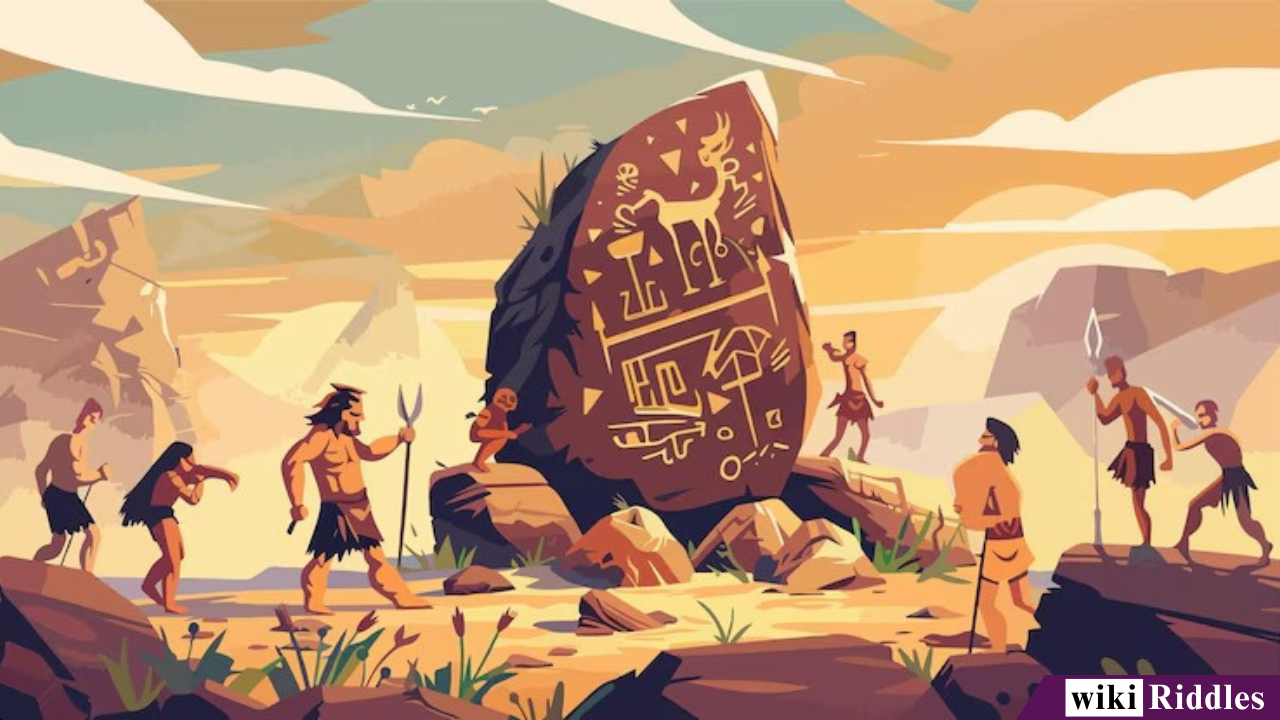
Have you ever wondered how our ancestors entertained themselves before the age of books, movies, and the internet? Historical riddles were one of the most popular ways to challenge the mind, teach lessons, and share wisdom across generations. These riddles were not just games. They reflected culture, philosophy, and human creativity.
From ancient civilizations to medieval societies, riddles captured the imagination and intellect of people. They provided entertainment, taught morals, and sharpened critical thinking skills. Solving a riddle was considered a sign of intelligence and wisdom. Today, historical riddles give us a fascinating window into how people thought, communicated, and played with words in the past.
250+ “Historical Riddles” with Answers
Ancient Civilizations
- Riddle: I was built to honor the sun god Ra and my shape reaches toward the sky. What am I?
Answer: A pyramid. - Riddle: I am known as the “cradle of civilization” and gave the world writing and the wheel. Where am I?
Answer: Mesopotamia. - Riddle: My walls were made of mud bricks and I once stretched over the Nile for centuries. What am I?
Answer: Ancient Egypt. - Riddle: I am a city buried under ash for nearly 2,000 years, preserved in time. What am I?
Answer: Pompeii. - Riddle: I am a river that gave life to one of the earliest civilizations. What am I?
Answer: The Nile. - Riddle: My law code was one of the first in human history, with “an eye for an eye.” What am I?
Answer: Code of Hammurabi. - Riddle: I am a massive statue with the body of a lion and the head of a human. Who am I?
Answer: The Sphinx. - Riddle: My empire was known for its roads, aqueducts, and gladiators. What am I?
Answer: Rome. - Riddle: I am a writing system made of pictures, used in temples and tombs. What am I?
Answer: Hieroglyphics. - Riddle: I was a massive wall built to keep invaders out of a northern empire. What am I?
Answer: The Great Wall of China.
Famous Leaders
- Riddle: I crossed the Alps with elephants to challenge Rome. Who am I?
Answer: Hannibal. - Riddle: I united Egypt and built the first dynasty. Who am I?
Answer: Pharaoh Narmer. - Riddle: I am the British queen who ruled during the Spanish Armada. Who am I?
Answer: Queen Elizabeth I. - Riddle: I was a French emperor who crowned myself in 1804. Who am I?
Answer: Napoleon Bonaparte. - Riddle: I freed over 3 million serfs in Russia. Who am I?
Answer: Tsar Alexander II. - Riddle: I led India to independence through nonviolent resistance. Who am I?
Answer: Mahatma Gandhi. - Riddle: I was a Mongol conqueror whose empire stretched from Asia to Europe. Who am I?
Answer: Genghis Khan. - Riddle: I was the first President of the United States. Who am I?
Answer: George Washington. - Riddle: I was the “Iron Lady” who led the UK in the 1980s. Who am I?
Answer: Margaret Thatcher. - Riddle: I ruled France as the Sun King for 72 years. Who am I?
Answer: Louis XIV.
Historic Battles
- Riddle: I was fought in 1066 and decided who ruled England. What am I?
Answer: Battle of Hastings. - Riddle: I was a turning point in the American Revolution in 1777. What am I?
Answer: Battle of Saratoga. - Riddle: I was a famous naval battle where England defeated the Spanish Armada. What am I?
Answer: Battle of Gravelines. - Riddle: I was a World War I battle known for mud, gas, and millions of casualties. What am I?
Answer: Battle of the Somme. - Riddle: I am a battle where Alexander the Great defeated Darius III. What am I?
Answer: Battle of Gaugamela. - Riddle: I marked the end of Napoleon’s rule in 1815. What am I?
Answer: Battle of Waterloo. - Riddle: I am the battle where Spartans held the pass against Persia. What am I?
Answer: Battle of Thermopylae. - Riddle: I was the decisive WWII battle in the Pacific against Japan. What am I?
Answer: Battle of Midway. - Riddle: I was a brutal civil war battle in the United States, fought in 1863. What am I?
Answer: Battle of Gettysburg. - Riddle: I was a siege that lasted 900 days during World War II. What am I?
Answer: Siege of Leningrad.
Inventions & Discoveries
- Riddle: I am a machine that spins thread from raw fiber, invented in the 18th century. What am I?
Answer: Spinning Jenny. - Riddle: I revolutionized communication in 1876. What am I?
Answer: Telephone. - Riddle: I am a discovery that explained the movement of planets around the sun. What am I?
Answer: Heliocentric theory. - Riddle: I am a flying machine that took off in 1903. What am I?
Answer: The Wright Flyer (airplane). - Riddle: I am a device that prints words onto paper, invented before computers. What am I?
Answer: Printing press. - Riddle: I discovered penicillin by accident in 1928. Who am I?
Answer: Alexander Fleming. - Riddle: I am the first metal used widely for coins, before gold and silver became common. What am I?
Answer: Bronze. - Riddle: I am the invention that changed energy use and lighting in the 19th century. What am I?
Answer: Light bulb. - Riddle: I am a device that calculates numbers mechanically, used before computers. What am I?
Answer: Abacus. - Riddle: I am the theory that describes the origin of species through natural selection. What am I?
Answer: Darwin’s theory of evolution.
Myth & Legend
- Riddle: I am a hero who completed 12 impossible labors. Who am I?
Answer: Hercules. - Riddle: I am a flying horse from Greek mythology. What am I?
Answer: Pegasus. - Riddle: I am a giant with one eye in the middle of my forehead. Who am I?
Answer: Cyclops. - Riddle: I was cursed to turn everything I touched into gold. Who am I?
Answer: King Midas. - Riddle: I am a Norse god with a hammer called Mjolnir. Who am I?
Answer: Thor. - Riddle: I am a Greek goddess of wisdom and war. Who am I?
Answer: Athena. - Riddle: I am a fire-breathing creature hoarding treasure in tales. What am I?
Answer: Dragon. - Riddle: I am a hero who sailed for seven years seeking home after the Trojan War. Who am I?
Answer: Odysseus. - Riddle: I am a mythical city of gold, often sought by explorers. What am I?
Answer: El Dorado. - Riddle: I am a winged lion and protector of ancient cities. What am I?
Answer: Griffin.
Historic Monuments
- Riddle: I am an enormous statue in Rio, arms wide in welcome. What am I?
Answer: Christ the Redeemer. - Riddle: I am a massive wall spanning thousands of miles in China. What am I?
Answer: The Great Wall of China. - Riddle: I am a temple in India made entirely of white marble. What am I?
Answer: Taj Mahal. - Riddle: I am a large amphitheater in Rome known for gladiators. What am I?
Answer: Colosseum. - Riddle: I am a mysterious stone circle in England. What am I?
Answer: Stonehenge. - Riddle: I am a colossal statue on Easter Island. What am I?
Answer: Moai statues. - Riddle: I am a medieval fortress in Paris, now a museum. What am I?
Answer: Louvre. - Riddle: I am a giant gateway in India commemorating victory. What am I?
Answer: India Gate. - Riddle: I am a mausoleum built for love in India. What am I?
Answer: Taj Mahal. - Riddle: I am a tower in France that started as a temporary exhibit in 1889. What am I?
Answer: Eiffel Tower.
Explorers & Voyages
- Riddle: I sailed west in 1492 to find a new route to India but found a new continent. Who am I?
Answer: Christopher Columbus. - Riddle: I circumnavigated the globe first. Who am I?
Answer: Ferdinand Magellan. - Riddle: I explored the Mississippi River and claimed much of central North America for France. Who am I?
Answer: Jacques Marquette. - Riddle: I searched for the Fountain of Youth in Florida. Who am I?
Answer: Ponce de León. - Riddle: I was an Italian explorer who traveled to China in the 13th century. Who am I?
Answer: Marco Polo. - Riddle: I discovered the Pacific Ocean while sailing for Spain. Who am I?
Answer: Vasco Núñez de Balboa. - Riddle: I am the first European to reach India by sea around Africa. Who am I?
Answer: Vasco da Gama. - Riddle: I am a Norse explorer who reached North America around 1000 CE. Who am I?
Answer: Leif Erikson. - Riddle: I sailed the Amazon River and documented its flora and fauna. Who am I?
Answer: Francisco de Orellana. - Riddle: I mapped much of Australia for the British. Who am I?
Answer: James Cook.
Revolutions & Uprisings
- Riddle: I began in 1789 and overthrew a monarchy in France. What am I?
Answer: French Revolution. - Riddle: I ended British rule in America in 1776. What am I?
Answer: American Revolution. - Riddle: I was a workers’ revolt in Russia that led to a new regime in 1917. What am I?
Answer: Russian Revolution. - Riddle: I am a series of protests in 1989 that led to the fall of the Berlin Wall. What am I?
Answer: Peaceful Revolution in East Germany. - Riddle: I was an uprising against colonial rule in India in 1857. What am I?
Answer: Indian Rebellion of 1857. - Riddle: I ended centuries of monarchy in China in 1912. What am I?
Answer: Xinhai Revolution. - Riddle: I was a movement in South Africa fighting apartheid. What am I?
Answer: Anti-Apartheid Movement. - Riddle: I started in Cuba in 1953 and ended with Fidel Castro in power. What am I?
Answer: Cuban Revolution. - Riddle: I was an uprising in Germany in 1848 demanding democracy. What am I?
Answer: March Revolution. - Riddle: I am a revolt by farmers in England over high taxes in 1381. What am I?
Answer: Peasants’ Revolt.
Lost Civilizations
- Riddle: I vanished mysteriously in the jungles of Central America. Who am I?
Answer: The Maya. - Riddle: I disappeared beneath the sea, often called the legendary city of gold. Who am I?
Answer: Atlantis. - Riddle: I built massive stone heads on a remote island. Who am I?
Answer: Rapa Nui (Easter Island civilization). - Riddle: I was a Bronze Age civilization on an island in the Aegean Sea. Who am I?
Answer: Minoans. - Riddle: I existed along the Indus River but my cities were lost. Who am I?
Answer: Indus Valley Civilization. - Riddle: I am a South American civilization known for Machu Picchu. Who am I?
Answer: Inca. - Riddle: I once dominated Mesopotamia but disappeared from history. Who am I?
Answer: Sumerians. - Riddle: I built ziggurats and my script is still partially undeciphered. Who am I?
Answer: Akkadians. - Riddle: I flourished in the Sahara before it became desert. Who am I?
Answer: Garamantes. - Riddle: I am the people of a lost city in the Amazon, rumored by explorers. Who am I?
Answer: El Dorado civilization.
Historic Art & Literature
- Riddle: I painted the ceiling of the Sistine Chapel. Who am I?
Answer: Michelangelo. - Riddle: I wrote “Romeo and Juliet” and many other plays. Who am I?
Answer: William Shakespeare. - Riddle: I am a mysterious portrait that smiles enigmatically in Paris. What am I?
Answer: Mona Lisa. - Riddle: I am an epic poem about a Trojan hero’s journey home. What am I?
Answer: The Odyssey. - Riddle: I sculpted the statue of David from marble in the Renaissance. Who am I?
Answer: Michelangelo. - Riddle: I wrote a diary while hiding from the Nazis in Amsterdam. Who am I?
Answer: Anne Frank. - Riddle: I am a painting that depicts the stormy night sky over a village. What am I?
Answer: Starry Night. - Riddle: I am a famous book series about a young wizard. Who am I?
Answer: Harry Potter. - Riddle: I wrote “The Divine Comedy,” describing heaven, hell, and purgatory. Who am I?
Answer: Dante Alighieri. - Riddle: I am a revolutionary painting by Picasso from 1937. What am I?
Answer: Guernica.
Royal Dynasties
- Riddle: I was the last pharaoh of Egypt. Who am I?
Answer: Cleopatra. - Riddle: I was known as the Sun King of France. Who am I?
Answer: Louis XIV. - Riddle: I ruled England during the Spanish Armada. Who am I?
Answer: Queen Elizabeth I. - Riddle: I was the first emperor of a unified China. Who am I?
Answer: Qin Shi Huang. - Riddle: I was a Russian tsarina famous for modernizing my country. Who am I?
Answer: Catherine the Great. - Riddle: I was the last king of France before the Revolution. Who am I?
Answer: Louis XVI. - Riddle: I founded the Habsburg dynasty in Austria. Who am I?
Answer: Rudolf I. - Riddle: I was the Tudor king who separated England from the Catholic Church. Who am I?
Answer: Henry VIII. - Riddle: I ruled England during the Victorian era. Who am I?
Answer: Queen Victoria. - Riddle: I am known as the “Mad King” of England. Who am I?
Answer: Charles VI of France.
Medieval Life
- Riddle: I am a fortified home where lords and knights lived. What am I?
Answer: Castle. - Riddle: I am the armored soldiers who fought for kings. Who am I?
Answer: Knight. - Riddle: I am the system of obligations between lords and vassals. What am I?
Answer: Feudalism. - Riddle: I am a large open field where villagers worked and grazed animals. What am I?
Answer: Common. - Riddle: I am the market towns where goods and trade thrived. What am I?
Answer: Medieval marketplace. - Riddle: I am a disease that wiped out one-third of Europe’s population in the 14th century. What am I?
Answer: The Black Death. - Riddle: I am a book copied by monks in dimly lit rooms. What am I?
Answer: Manuscript. - Riddle: I am a code of conduct that guided knights. What am I?
Answer: Chivalry. - Riddle: I am a medieval court where crimes were judged. What am I?
Answer: Manor court. - Riddle: I am the religious building at the center of a medieval town. What am I?
Answer: Church.
Ancient Religions
- Riddle: I am the god of the sun in Ancient Egypt. Who am I?
Answer: Ra. - Riddle: I am the king of the gods in Greek mythology. Who am I?
Answer: Zeus. - Riddle: I am the founder of Buddhism. Who am I?
Answer: Siddhartha Gautama. - Riddle: I am the god of war in Norse mythology. Who am I?
Answer: Odin. - Riddle: I am the Hindu god known as the destroyer. Who am I?
Answer: Shiva. - Riddle: I am the goddess of wisdom and strategy in Greek mythology. Who am I?
Answer: Athena. - Riddle: I am a sacred river in India worshiped for purification. What am I?
Answer: Ganges. - Riddle: I am the primary god in monotheistic Judaism. Who am I?
Answer: Yahweh. - Riddle: I am a ritual object in Zoroastrianism, symbolizing fire. What am I?
Answer: Fire altar. - Riddle: I am the god of the underworld in Egyptian mythology. Who am I?
Answer: Osiris.
Historic Coins & Currency
- Riddle: I am a gold coin first minted in ancient Lydia. What am I?
Answer: Lydian stater. - Riddle: I am a Roman silver coin used throughout the empire. What am I?
Answer: Denarius. - Riddle: I am a British gold coin introduced in 1489. What am I?
Answer: Sovereign. - Riddle: I am the currency used in the United States since 1792. What am I?
Answer: Dollar. - Riddle: I am a coin named after a Dutch city, popular in Europe during the Middle Ages. What am I?
Answer: Guilder. - Riddle: I am a silver coin of Venice used in trade across Europe. What am I?
Answer: Ducat. - Riddle: I am a small copper coin used in medieval England. What am I?
Answer: Penny. - Riddle: I am a Japanese coin first minted in the 8th century. What am I?
Answer: Wadōkaichin. - Riddle: I am a coin that inspired the word “buck” in America. What am I?
Answer: Deer skin used in trade. - Riddle: I am a coin from Ancient Greece, often stamped with an owl. What am I?
Answer: Athenian drachma.
Famous Trials & Laws
- Riddle: I am a trial in 1692 over alleged witchcraft. What am I?
Answer: Salem Witch Trials. - Riddle: I am a law code from Babylon, one of the earliest written. What am I?
Answer: Code of Hammurabi. - Riddle: I am the trial of a French queen who faced execution. Who am I?
Answer: Marie Antoinette. - Riddle: I am a landmark 1610 trial challenging the geocentric view. Who am I?
Answer: Galileo Galilei. - Riddle: I am the English legal principle stating “innocent until proven guilty.” What am I?
Answer: Presumption of innocence. - Riddle: I am a series of trials against Nazi leaders after World War II. What am I?
Answer: Nuremberg Trials. - Riddle: I am a law from 1215 limiting royal power. What am I?
Answer: Magna Carta. - Riddle: I am a trial of a man accused of murder and became a symbol of injustice in France. Who am I?
Answer: Dreyfus Affair. - Riddle: I am a famous English case establishing the right to habeas corpus. What am I?
Answer: Case of John Lilburne. - Riddle: I am a trial in Scotland that accused witches and led to executions in the 17th century. What am I?
Answer: Great Scottish Witch Trials.
Historic Maps & Geography
- Riddle: I am the map that first depicted the New World in 1507. What am I?
Answer: Waldseemüller map. - Riddle: I am the famous line that divided the world between Spain and Portugal in 1494. What am I?
Answer: Line of Demarcation. - Riddle: I am the explorer whose voyages mapped much of the Pacific Ocean. Who am I?
Answer: James Cook. - Riddle: I am a map showing continents in their shapes from the 16th century. What am I?
Answer: Ptolemaic map. - Riddle: I am a map used by sailors showing coastlines and hazards. What am I?
Answer: Nautical chart. - Riddle: I am a map projection that represents the globe on a flat surface. What am I?
Answer: Mercator projection. - Riddle: I am a famous map showing the Silk Road trade routes. What am I?
Answer: Tabula Rogeriana. - Riddle: I am the map that inspired Columbus to sail west. What am I?
Answer: T and O map. - Riddle: I am the first map to depict Australia. What am I?
Answer: Dieppe maps. - Riddle: I am the medieval map depicting Jerusalem at the center of the world. What am I?
Answer: Mappa Mundi.
Architecture Through Time
- Riddle: I am a dome in Italy designed by Brunelleschi. What am I?
Answer: Florence Cathedral. - Riddle: I am a tower in France built in 1889 for an exhibition. What am I?
Answer: Eiffel Tower. - Riddle: I am a temple in Athens dedicated to Athena. What am I?
Answer: Parthenon. - Riddle: I am a fortress in Japan made of stone and wood, home to samurai. What am I?
Answer: Japanese castle. - Riddle: I am a Gothic cathedral famous for flying buttresses in France. What am I?
Answer: Notre-Dame. - Riddle: I am a stepped pyramid built by the Maya in Mexico. What am I?
Answer: El Castillo. - Riddle: I am a mausoleum built in India for love and beauty. What am I?
Answer: Taj Mahal. - Riddle: I am an aqueduct that brought water to Rome. What am I?
Answer: Pont du Gard. - Riddle: I am a modernist building in Spain designed by Gaudí. What am I?
Answer: Sagrada Familia. - Riddle: I am a medieval cathedral in England with a famous clock tower. What am I?
Answer: Westminster Abbey.
Historic Food & Drink
- Riddle: I am a fermented beverage that kept sailors healthy by preventing scurvy. What am I?
Answer: Lemon or lime juice (in grog) - Riddle: I am a bread baked by Ancient Egyptians and considered a staple. What am I?
Answer: Flatbread - Riddle: I am a spice so valuable in the Middle Ages that I was worth my weight in gold. What am I?
Answer: Saffron - Riddle: I am a type of cheese first made in the Middle Ages in Italy. What am I?
Answer: Parmesan - Riddle: I am a drink from beans discovered in Ethiopia and spread worldwide. What am I?
Answer: Coffee - Riddle: I am a fermented drink from grains popular in ancient Mesopotamia. What am I?
Answer: Beer - Riddle: I am a sweet treat made from sugar and almonds, popular in medieval Europe. What am I?
Answer: Marzipan - Riddle: I am a method of preserving food used before refrigeration. What am I?
Answer: Salting or smoking - Riddle: I am a soup eaten by sailors on long voyages, made from dried meat and vegetables. What am I?
Answer: Ship’s broth or stew - Riddle: I am a fermented drink made from honey and water, known since ancient times. What am I?
Answer: Mead
Maritime History
- Riddle: I am a ship that sailed in 1492 and reached the Americas. What am I?
Answer: Santa Maria - Riddle: I am a famous battle where the British navy defeated the Spanish Armada. What am I?
Answer: Battle of Gravelines - Riddle: I am a Viking ship designed for both rivers and oceans. What am I?
Answer: Longship - Riddle: I am a global trade route connecting Europe, Africa, and the Americas. What am I?
Answer: Triangular trade - Riddle: I am the first English ship to circumnavigate the globe. What am I?
Answer: Golden Hind - Riddle: I am a Portuguese explorer who sailed around the southern tip of Africa to India. Who am I?
Answer: Vasco da Gama - Riddle: I am a famous pirate who terrorized the Caribbean in the 18th century. Who am I?
Answer: Blackbeard - Riddle: I am a type of sailing vessel used during the Age of Exploration. What am I?
Answer: Caravel - Riddle: I am a naval war in 1805 where Nelson defeated Napoleon’s fleet. What am I?
Answer: Battle of Trafalgar - Riddle: I am a navigational tool used by sailors to determine latitude at sea. What am I?
Answer: Sextant
Secret Societies & Orders
- Riddle: I am a medieval Christian military order that guarded pilgrims in the Holy Land. Who am I?
Answer: Knights Templar - Riddle: I am a fraternal organization famous for secret rituals and symbols. What am I?
Answer: Freemasons - Riddle: I am a secret society in China that opposed the Qing dynasty. What am I?
Answer: White Lotus Society - Riddle: I am a mysterious order rumored to protect ancient knowledge in Europe. Who am I?
Answer: Rosicrucians - Riddle: I am a secret society of revolutionaries in Italy during the 19th century. Who am I?
Answer: Carbonari - Riddle: I am a legendary society rumored to guard the Holy Grail. What am I?
Answer: Knights of the Round Table - Riddle: I am a secret society tied to Scottish history and Freemasonry. Who am I?
Answer: The Order of the Thistle - Riddle: I am a revolutionary group in France before the French Revolution. Who am I?
Answer: Jacobins - Riddle: I am an ancient fraternity of scholars and alchemists in Europe. Who am I?
Answer: Illuminati - Riddle: I am a society rumored to influence world governments and finance. What am I?
Answer: Bilderberg Group
Historic Speeches & Quotes
- Riddle: I said, “I have a dream,” advocating civil rights in 1963. Who am I?
Answer: Martin Luther King Jr. - Riddle: I declared “Let them eat cake,” though likely apocryphal. Who am I?
Answer: Marie Antoinette - Riddle: I warned of “a wall of iron” descending across Europe in 1946. Who am I?
Answer: Winston Churchill - Riddle: I said, “The only thing we have to fear is fear itself.” Who am I?
Answer: Franklin D. Roosevelt - Riddle: I gave the “I am Spartacus” moment in the Roman revolt. Who am I?
Answer: Spartacus - Riddle: I proclaimed Indian independence in 1947 with nonviolent resistance. Who am I?
Answer: Mahatma Gandhi - Riddle: I delivered the Gettysburg Address in 1863. Who am I?
Answer: Abraham Lincoln - Riddle: I led France with the words “Vive la France” during revolution. Who am I?
Answer: Charles de Gaulle - Riddle: I famously said, “Mr. Gorbachev, tear down this wall!” Who am I?
Answer: Ronald Reagan - Riddle: I am a speech that inspired American colonists to fight British rule. What am I?
Answer: Patrick Henry’s “Give me liberty, or give me death”
Scientific Milestones
- Riddle: I discovered gravity when an apple fell on my head. Who am I?
Answer: Isaac Newton - Riddle: I am the father of modern chemistry who named oxygen. Who am I?
Answer: Antoine Lavoisier - Riddle: I developed the theory of relativity in the early 20th century. Who am I?
Answer: Albert Einstein - Riddle: I am the first person to circumnavigate the globe. Who am I?
Answer: Ferdinand Magellan - Riddle: I discovered penicillin by accident in 1928. Who am I?
Answer: Alexander Fleming - Riddle: I proved that blood circulates through the human body. Who am I?
Answer: William Harvey - Riddle: I invented the first practical telephone. Who am I?
Answer: Alexander Graham Bell - Riddle: I am a scientist who formulated the laws of inheritance. Who am I?
Answer: Gregor Mendel - Riddle: I am the first human to travel into space. Who am I?
Answer: Yuri Gagarin - Riddle: I discovered radioactivity in the late 19th century. Who am I?
Answer: Marie Curie
Historic Disasters
- Riddle: I erupted in 79 AD and buried the city of Pompeii. What am I?
Answer: Mount Vesuvius - Riddle: I am a pandemic that killed millions in the 14th century. What am I?
Answer: The Black Death - Riddle: I sank in 1912 on my maiden voyage. What am I?
Answer: Titanic - Riddle: I was a hurricane in 1900 that devastated a Texas city. What am I?
Answer: Galveston Hurricane - Riddle: I am a tsunami caused by an earthquake in 2004. What am I?
Answer: Indian Ocean Tsunami - Riddle: I am a volcanic eruption in 1815 that caused “the year without a summer.” What am I?
Answer: Mount Tambora - Riddle: I am a nuclear disaster that happened in 1986 in Ukraine. What am I?
Answer: Chernobyl disaster - Riddle: I am an earthquake in 1755 that destroyed Lisbon. What am I?
Answer: Lisbon earthquake - Riddle: I am a fire in 1666 that destroyed much of London. What am I?
Answer: Great Fire of London - Riddle: I am a famine in Ireland in the 1840s caused by potato blight. What am I?
Answer: Irish Potato Famine
Fashion Through History
- Riddle: I am the pointed shoes popular in 14th century Europe. What am I?
Answer: Poulaine shoes - Riddle: I am a French corset style that emphasized a tiny waist. What am I?
Answer: Victorian corset - Riddle: I am a wide-brimmed hat worn in the 17th century. What am I?
Answer: Cavalier hat - Riddle: I am a type of shoe worn by samurai in Japan. What am I?
Answer: Geta sandals - Riddle: I am a medieval headpiece with a long flowing veil. What am I?
Answer: Hennin - Riddle: I am a colorful robe worn by Japanese nobles. What am I?
Answer: Kimono - Riddle: I am a powdered wig popular in 18th century Europe. What am I?
Answer: Peruke - Riddle: I am a wide skirt worn by women in the 16th century to emphasize hips. What am I?
Answer: Farthingale - Riddle: I am a fabric made from Egyptian flax, worn since ancient times. What am I?
Answer: Linen - Riddle: I am a leather boot worn by cowboys in the American West. What am I?
Answer: Cowboy boots
Everyday Life of the Past
- Riddle: I am a tool used by farmers to plow fields in ancient times. What am I?
Answer: Plow - Riddle: I am a lamp used for light before electricity. What am I?
Answer: Oil lamp - Riddle: I am a common form of writing in ancient Mesopotamia, made on clay tablets. What am I?
Answer: Cuneiform - Riddle: I am a market where villagers bought and sold goods in medieval towns. What am I?
Answer: Marketplace - Riddle: I am a device that tells time using water in ancient civilizations. What am I?
Answer: Water clock - Riddle: I am a household item used to grind grain into flour. What am I?
Answer: Millstone - Riddle: I am a method of cleaning clothes in rivers or by beating them on rocks. What am I?
Answer: Washing by hand - Riddle: I am a method of preserving meat using smoke. What am I?
Answer: Smoking - Riddle: I am a form of currency made from shells in some ancient societies. What am I?
Answer: Cowrie shells - Riddle: I am a public gathering place where news and stories were shared. What am I?
Answer: Town square
The Origins of Riddles in History
Riddles are among the oldest forms of human expression. They have existed since the earliest civilizations and were passed down orally before being written. The purpose of these riddles extended beyond mere amusement. They educated, provoked thought, and strengthened memory and observation.
- Riddles in Ancient Civilizations
In societies such as Sumer, Babylon, Egypt, and China, riddles were tools for mental exercise. Ancient people used them to teach children about nature, morality, and survival skills. A clever riddle could convey complex ideas in a simple and memorable form. These civilizations understood the power of puzzles to engage the human mind and create a shared cultural identity.
- The Role of Riddles in Storytelling and Education
Riddles often appeared in myths, epics, and folklore. Storytellers used them to engage audiences and add suspense. In educational contexts, elders and teachers challenged learners with riddles to strengthen their memory, logical thinking, and problem-solving skills. Historical riddles were an essential educational tool in a world without formal schools.
Riddles in Ancient Egypt
Ancient Egypt was a civilization rich in symbolism and intellectual pursuits. Egyptians loved wordplay, metaphors, and puzzles. Riddles were woven into daily life, religious practices, and literature.
- Fun Facts About Egyptian Puzzles
Egyptians often incorporated animals, plants, and natural phenomena into their riddles. They used them to teach moral lessons, promote observation, and entertain the royal court. Some riddles were carved on monuments, while others were passed orally during festivals or gatherings.
- Famous Egyptian Riddles
A famous riddle from ancient Egypt asks about the stages of life, cleverly describing humans as creatures that walk on four legs in the morning, two at noon, and three in the evening. This riddle, later popularized in Greek mythology through the Sphinx, shows that Egyptians valued metaphorical thinking and philosophical reflection.
Riddles in Greek and Roman Cultures
The Greeks and Romans elevated riddles from casual entertainment to a form of intellectual and artistic expression. They were embedded in literature, philosophy, and education.
- The Sphinx and Its Legendary Riddle
Perhaps the most famous historical riddle is that of the Sphinx from Greek mythology. The Sphinx challenged travelers with a question that symbolized the stages of human life. The riddle asked, “What walks on four legs in the morning, two at noon, and three in the evening?” The answer, man, represents the progression from infancy to adulthood and finally old age. This riddle shows how historical riddles could carry philosophical and symbolic meanings beyond their surface.
- Roman Riddles and Their Purpose
Roman society also embraced riddles for intellectual competition and entertainment. Writers like Symphosius created collections of riddles that used wordplay, puns, and metaphor. Romans often posed riddles during banquets and social gatherings, making them a form of polite intellectual sport. They valued cleverness and wit, and solving riddles was seen as a mark of social intelligence.
Medieval Riddles and Their Significance
The Middle Ages saw a proliferation of riddles, especially in Europe. Monks, scholars, and poets used riddles in manuscripts to entertain and educate. They conveyed moral lessons, explored abstract concepts, and preserved cultural knowledge.
- The Popularity of Riddles in the Middle Ages
Riddles were enjoyed by all social classes. They were used in monasteries to train monks in memory and logical thinking. In the wider community, riddles appeared in festivals, games, and oral storytelling, making them a universal form of entertainment.
- Anglo-Saxon Riddles: A Closer Look
The Exeter Book, compiled in the 10th century, contains nearly 100 Anglo-Saxon riddles. These riddles range from concrete objects like a key or a book to abstract concepts like time or wisdom. One riddle describes an object in a way that requires imaginative thinking to solve. These riddles illustrate how language, metaphor, and observation were intertwined in historical puzzles.
Norse and Viking Riddles
Vikings and other Norse cultures also valued riddles. They used them to demonstrate intelligence, bravery, and social skill. Riddles were shared during feasts, voyages, and gatherings, often as a way to entertain and educate simultaneously.
- How Riddles Were Used in Viking Culture
Riddles were practical as well as entertaining. They contained advice for survival, proverbs, or cultural wisdom. A person who could solve a riddle quickly gained respect for their intellect and insight.
- Example of a Viking Riddle
A classic Viking riddle says, “I am always hungry, I must always be fed, the finger I touch will soon turn red.” The answer is fire. This riddle shows how historical riddles could be both metaphorical and practical, reflecting everyday life while challenging the mind.
Riddles in Literature
Riddles have always enriched literature. They add depth to storytelling, test the intelligence of characters, and engage readers directly.
- Shakespeare and Riddles
Shakespeare included riddles in his plays to reveal character intelligence, create suspense, or convey hidden meanings. For example, characters sometimes posed riddles to test loyalty or cleverness. This demonstrates that riddles have long been a tool for both entertainment and narrative strategy.
- Riddles in Folktales and Fables
Folktales across the world often incorporate riddles. Heroes must solve them to succeed, illustrating that intelligence and wit were valued as much as strength or courage. These riddles reflect cultural values, human psychology, and timeless lessons that remain relevant today.
The Role of Historical Riddles in Society
- Entertainment and Education
Historical riddles were versatile. They entertained people across generations, connected communities, and brought joy to social events. At the same time, they educated by teaching logic, observation, and moral lessons. In a sense, riddles were one of the earliest forms of edutainment.
- Riddles as a Tool for Wisdom
Many historical riddles were philosophical. They encouraged reflection on life, human behavior, and nature. Solving them required thought, patience, and creativity. They were mental exercises designed to sharpen the mind and cultivate wisdom.
Political and Social Riddles
- Riddles as Subtle Commentary
In some societies, riddles were used to express opinions indirectly. Clever wording allowed criticism of rulers or social norms without risking punishment. They were a safe and creative way to challenge authority while engaging the mind.
- Riddles in Royal Courts
Riddles in royal courts were also a status symbol. Courtiers competed to solve them, and success demonstrated intelligence, wit, and cultural sophistication. A well-solved riddle could improve one’s reputation and influence in society.
Famous Historical Riddles and Their Solutions
- The Riddle of the Sphinx
The Sphinx’s riddle remains the most famous in history. The question about human life stages challenged travelers and symbolized deep philosophical ideas. Its solution, man, reflects the journey from infancy to old age and the wisdom gained along the way.
- Anglo-Saxon Riddle Examples
Riddles from the Exeter Book, such as one describing an object that grows without moving, showcase the cleverness of medieval thinkers. The answer, a plant or grain, demonstrates observation, creativity, and metaphorical thinking.
- Other Notable Historical Riddles
Other historical riddles involved everyday objects, animals, numbers, or abstract ideas. They tested problem-solving skills, memory, and lateral thinking. These riddles preserved cultural knowledge and offered a way to connect generations through shared intellectual challenge.
How to Solve Historical Riddles Today
- Tips and Techniques
To solve historical riddles, consider the culture, language, and daily life of the era. Look for metaphors, puns, and hidden meanings. Think creatively, and try to imagine how people in the past interpreted their surroundings.
- Understanding Context and Culture
Context is key. Many riddles lose their meaning when removed from their historical and cultural background. Researching the period, customs, and language patterns provides essential clues for solving these puzzles.
Modern Interest in Historical Riddles
Historical riddles continue to inspire modern books, games, and educational activities. Escape rooms, puzzle books, and interactive games often recreate the thrill of solving a centuries-old puzzle. Engaging with these riddles encourages critical thinking, imagination, and cultural awareness.
- How Historical Riddles Shape Modern Thinking
Solving historical riddles enhances problem-solving skills, logical reasoning, and lateral thinking. They remind us that curiosity and creativity are timeless human traits. Historical riddles connect us to our ancestors, allowing us to think as they once did.
Why Historical Riddles Still Matter
Historical riddles preserve cultural heritage, teach critical thinking, and entertain across generations. They demonstrate that human fascination with puzzles and wordplay is universal. By exploring these riddles, we gain insight into past societies, their values, and their creativity.
Conclusion
Exploring these 250+ historical riddles is not only a fun way to test your knowledge of the past, but it also sharpens your problem-solving skills and curiosity about history. From clever wordplay to tricky questions about famous events and figures, there’s something here for everyone who loves a good challenge. If you enjoyed these, you might also like our 250+ Cute & Funny “Sloth Riddles” with Answers for a lighter, hilarious twist on brain-teasing fun. Keep puzzling, keep learning, and let your curiosity guide you!
FAQs
Q. What is the oldest known riddle in history
The oldest known riddle comes from ancient Sumer around 2350 BC. It used metaphorical language to describe everyday objects and ideas.
Q. Were riddles used for education in ancient times
Yes, riddles were a key educational tool. They taught memory, logic, ethics, and practical skills.
Q. How did medieval riddles differ from ancient ones
Medieval riddles often had moral or religious themes, while ancient riddles focused on daily life, nature, and philosophical ideas.
Q. Can solving historical riddles improve problem-solving skills
Absolutely. Historical riddles enhance creativity, observation, and lateral thinking, making them valuable mental exercises.
Q. Where can I find collections of historical riddles
Collections can be found in manuscripts like the Exeter Book, ancient Egyptian texts, Greek and Roman writings, and modern books about historical puzzles and riddles.