Spanish Riddles are more than just playful word games. They are small pieces of language art that mix thinking, imagination, and culture in a very natural way. When you first read them, they may seem simple. But once you spend time with them, you start noticing how carefully they are built.
They are not just questions. They are descriptions wrapped in mystery. You are given clues, but never in a direct way. It feels like someone is pointing at something without naming it, and asking you to figure it out.
This is what makes Spanish Riddles so interesting. They train your mind to slow down, observe details, and think beyond the obvious meaning of words. At the same time, they help you connect with the Spanish language in a way that feels alive and practical.
In this guide, we will take a deeper look at Spanish Riddles, how they work, why they matter, and how you can use them for learning, teaching, and entertainment.
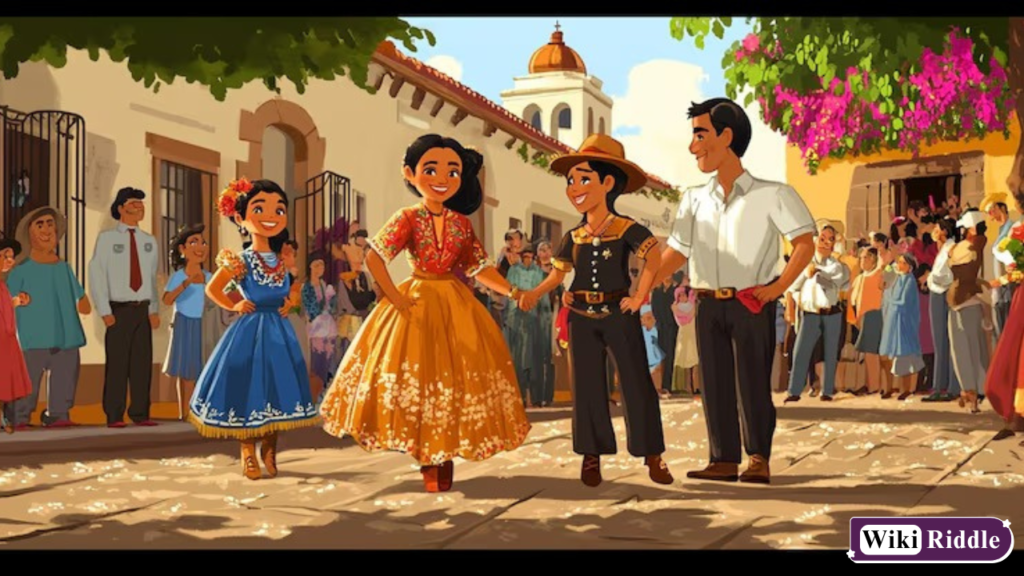
250+ “Spanish Riddles” with Answers
Traditional Spanish Riddles (Adivinanzas Clásicas)
- Riddle: Soy pequeño como un ratón, pero guardo la casa como un león. What am I?
Answer: A key. - Riddle: Vuelo sin alas, lloro sin ojos. What am I?
Answer: A cloud. - Riddle: Oro parece, plata no es. What am I?
Answer: Banana. - Riddle: En el campo me crían, en la mesa me cortan. What am I?
Answer: Wheat. - Riddle: Tengo agujas pero no sé coser. What am I?
Answer: A pine tree. - Riddle: Blanco por dentro, verde por fuera. What am I?
Answer: Watermelon. - Riddle: Cuanto más quitas, más grande soy. What am I?
Answer: A hole. - Riddle: Todos me pisan, pero yo no piso a nadie. What am I?
Answer: The ground. - Riddle: No soy pájaro y tengo alas. What am I?
Answer: A fan. - Riddle: Corro sin piernas y duermo en el mar. What am I?
Answer: A river.
Easy Spanish Riddles for Beginners
- Riddle: Tengo cuatro patas y ladro. What am I?
Answer: A dog. - Riddle: Soy amarillo y doy luz. What am I?
Answer: The sun. - Riddle: Soy blanco y frío, caigo del cielo. What am I?
Answer: Snow. - Riddle: Tengo ruedas y te llevo a la escuela. What am I?
Answer: A bus. - Riddle: Soy rojo y crezco en el jardín. What am I?
Answer: A rose. - Riddle: Me usas para escribir. What am I?
Answer: A pencil. - Riddle: Tengo números y muestro la hora. What am I?
Answer: A clock. - Riddle: Soy dulce y hecho de leche. What am I?
Answer: Ice cream. - Riddle: Me abres para entrar a casa. What am I?
Answer: A door. - Riddle: Tengo hojas pero no soy un árbol vivo. What am I?
Answer: A book.
Hard Spanish Riddles with Tricky Answers
- Riddle: No soy vivo, pero crezco. What am I?
Answer: Fire. - Riddle: Cuanto más corres, más lejos estoy. What am I?
Answer: The horizon. - Riddle: Hablo sin boca y escucho sin oídos. What am I?
Answer: An echo. - Riddle: Siempre vengo, pero nunca llego. What am I?
Answer: Tomorrow. - Riddle: No tengo cuerpo, pero hago sombra. What am I?
Answer: Darkness. - Riddle: No me puedes ver, pero estoy en todas partes. What am I?
Answer: Air. - Riddle: Soy tuyo, pero otros lo usan más que tú. What am I?
Answer: Your name. - Riddle: Cuanto más quitas de mí, más crezco. What am I?
Answer: A hole. - Riddle: No tengo vida, pero puedo morir. What am I?
Answer: A battery. - Riddle: Soy rápido sin moverme. What am I?
Answer: Time.
Funny Spanish Riddles for Kids
- Riddle: ¿Qué hace una abeja en el gimnasio? What am I?
Answer: Zumba. - Riddle: ¿Qué animal sabe hacer magia? What am I?
Answer: A llama. - Riddle: ¿Qué le dice una taza a otra? What am I?
Answer: You look tea-rific. - Riddle: ¿Por qué el tomate se puso rojo? What am I?
Answer: Because it saw the salad dressing. - Riddle: ¿Qué le dijo el pez a la pared? What am I?
Answer: Nothing, it hit it. - Riddle: ¿Qué hace un pez en la computadora? What am I?
Answer: Surfing the net. - Riddle: ¿Qué animal es más antiguo? What am I?
Answer: The zebra because it is in black and white. - Riddle: ¿Qué le dice un semáforo a otro? What am I?
Answer: Don’t look, I am changing. - Riddle: ¿Qué fruta siempre está triste? What am I?
Answer: A blueberry. - Riddle: ¿Qué le dice un techo a otro? What am I?
Answer: Let’s meet upstairs.
Spanish Animal Riddles (Adivinanzas de Animales)
- Riddle: Tengo trompa y soy muy grande. What am I?
Answer: An elephant. - Riddle: Duermo cabeza abajo. What am I?
Answer: A bat. - Riddle: Nado en el agua y croo. What am I?
Answer: A frog. - Riddle: Tengo rayas y corro rápido. What am I?
Answer: A zebra. - Riddle: Soy el rey de la selva. What am I?
Answer: A lion. - Riddle: Vivo en el mar y tengo ocho brazos. What am I?
Answer: An octopus. - Riddle: Ladro y cuido la casa. What am I?
Answer: A dog. - Riddle: Miau es mi sonido. What am I?
Answer: A cat. - Riddle: Pico y despierto al amanecer. What am I?
Answer: A rooster. - Riddle: Tengo concha y camino lento. What am I?
Answer: A snail.
Spanish Food Riddles and Kitchen Clues
- Riddle: Soy redondo, rojo y me usan en ensalada. What am I?
Answer: Tomato. - Riddle: Me muelen para hacer pan. What am I?
Answer: Wheat. - Riddle: Soy amarillo y dulce como miel. What am I?
Answer: Banana. - Riddle: Me hacen de leche y soy frío. What am I?
Answer: Ice cream. - Riddle: Soy blanco y me usan en arroz. What am I?
Answer: Salt. - Riddle: Me comes en rebanadas y soy pan. What am I?
Answer: Bread. - Riddle: Me exprimes y soy jugo. What am I?
Answer: Orange. - Riddle: Me fríen y soy papas. What am I?
Answer: Potatoes. - Riddle: Soy dulce y me hacen en cumpleaños. What am I?
Answer: Cake. - Riddle: Soy verde y amargo a veces. What am I?
Answer: Lettuce.
Spanish Nature Riddles (Plants, Trees, and Weather)
- Riddle: Caigo del cielo y mojo la tierra. What am I?
Answer: Rain. - Riddle: Brillo de día y caliento el mundo. What am I?
Answer: The sun. - Riddle: Soy verde y doy sombra. What am I?
Answer: A tree. - Riddle: Floto en el cielo y soy blanco o gris. What am I?
Answer: A cloud. - Riddle: Me sopla el viento y no me ves. What am I?
Answer: Wind. - Riddle: Cubro el suelo en invierno. What am I?
Answer: Snow. - Riddle: Nací en el bosque y tengo hojas. What am I?
Answer: A plant. - Riddle: Me encuentras en el cielo de noche. What am I?
Answer: Stars. - Riddle: Soy caliente y vengo del suelo. What am I?
Answer: Lava. - Riddle: Cambio de forma y viajo por el cielo. What am I?
Answer: Clouds.
Spanish Object Riddles (Common Things Around Us)
- Riddle: Abro puertas sin manos. What am I?
Answer: A key. - Riddle: Mido el tiempo. What am I?
Answer: A clock. - Riddle: Ilumino la noche. What am I?
Answer: A lamp. - Riddle: Escribo en papel. What am I?
Answer: A pen. - Riddle: Guardo tu dinero. What am I?
Answer: A wallet. - Riddle: Te llevo a la escuela. What am I?
Answer: A backpack. - Riddle: Reflejo tu imagen. What am I?
Answer: A mirror. - Riddle: Te protejo del sol. What am I?
Answer: An umbrella. - Riddle: Guardo ropa. What am I?
Answer: A wardrobe. - Riddle: Te doy sonido. What am I?
Answer: A speaker.
Spanish Color Based Riddles
- Riddle: Soy el color del cielo. What am I?
Answer: Blue. - Riddle: Soy el color de la hierba. What am I?
Answer: Green. - Riddle: Soy el color del sol. What am I?
Answer: Yellow. - Riddle: Soy el color de la sangre. What am I?
Answer: Red. - Riddle: Soy el color de la nieve. What am I?
Answer: White. - Riddle: Soy oscuro como la noche. What am I?
Answer: Black. - Riddle: Soy mezcla de rojo y blanco. What am I?
Answer: Pink. - Riddle: Soy color de la tierra. What am I?
Answer: Brown. - Riddle: Soy brillante como el oro. What am I?
Answer: Gold. - Riddle: Soy mezcla de azul y rojo. What am I?
Answer: Purple.
Spanish Number and Math Riddles
- Riddle: Tengo dos lados iguales y sumo cuatro. What am I?
Answer: Two. - Riddle: Soy el número después de nueve. What am I?
Answer: Ten. - Riddle: Soy la mitad de diez. What am I?
Answer: Five. - Riddle: Soy el doble de tres. What am I?
Answer: Six. - Riddle: Sin mí no puedes contar. What am I?
Answer: Zero. - Riddle: Soy impar y primo después de uno. What am I?
Answer: Three. - Riddle: Soy mayor que cinco y menor que siete. What am I?
Answer: Six. - Riddle: Soy el resultado de dos más dos. What am I?
Answer: Four. - Riddle: Soy el número de días en una semana. What am I?
Answer: Seven. - Riddle: Soy el número de dedos en dos manos. What am I?
Answer: Ten.
Spanish School and Learning Riddles
- Riddle: Me usas para aprender a escribir. What am I?
Answer: Notebook. - Riddle: Me usas para borrar errores. What am I?
Answer: Eraser. - Riddle: Me llenas con conocimiento. What am I?
Answer: Book. - Riddle: Me usas para medir líneas. What am I?
Answer: Ruler. - Riddle: Me necesitas para estudiar. What am I?
Answer: School. - Riddle: Me usas para escribir con tinta. What am I?
Answer: Pen. - Riddle: Me enseña el maestro. What am I?
Answer: Lesson. - Riddle: Me usas para dibujar. What am I?
Answer: Pencil. - Riddle: Me llevas a la escuela. What am I?
Answer: Backpack. - Riddle: Me guardo en tu mente. What am I?
Answer: Knowledge.
Spanish Family and People Riddles
- Riddle: Soy la persona que cuida de ti en casa. What am I?
Answer: Mother. - Riddle: Soy el hermano de tu padre. What am I?
Answer: Uncle. - Riddle: Soy la hija de tu hija. What am I?
Answer: Granddaughter. - Riddle: Soy el padre de tu madre. What am I?
Answer: Grandfather. - Riddle: Soy tu compañero de clase. What am I?
Answer: Classmate. - Riddle: Soy la persona que enseña en la escuela. What am I?
Answer: Teacher. - Riddle: Soy el hijo de tus padres pero no eres tú. What am I?
Answer: Brother. - Riddle: Soy la esposa de tu padre. What am I?
Answer: Mother. - Riddle: Soy el amigo que siempre te ayuda. What am I?
Answer: Friend. - Riddle: Soy la persona que dirige la escuela. What am I?
Answer: Principal.
Spanish Holiday and Festival Riddles
- Riddle: Celebro el nacimiento de Jesús. What am I?
Answer: Christmas. - Riddle: Me celebran con disfraces y desfiles en España. What am I?
Answer: Carnival. - Riddle: Lleno la ciudad de fuegos artificiales en diciembre. What am I?
Answer: New Year. - Riddle: Me celebran con huevos de colores en primavera. What am I?
Answer: Easter. - Riddle: Es un día para honrar a los muertos en México. What am I?
Answer: Day of the Dead. - Riddle: Es una fiesta con música y baile en la calle. What am I?
Answer: Festival. - Riddle: Me celebran con regalos y amor en febrero. What am I?
Answer: Valentine’s Day. - Riddle: Es una fiesta nacional con orgullo y banderas. What am I?
Answer: Independence Day. - Riddle: Me celebran con comida y familia en noviembre. What am I?
Answer: Thanksgiving. - Riddle: Es una fiesta de verano con fuegos artificiales en España. What am I?
Answer: San Juan Festival.
Spanish Body Parts Riddles
- Riddle: Me usas para ver el mundo. What am I?
Answer: Eyes. - Riddle: Me usas para caminar. What am I?
Answer: Legs. - Riddle: Me usas para pensar. What am I?
Answer: Brain. - Riddle: Me usas para escuchar sonidos. What am I?
Answer: Ears. - Riddle: Me usas para hablar y comer. What am I?
Answer: Mouth. - Riddle: Me usas para tocar cosas. What am I?
Answer: Hands. - Riddle: Me protege el cabello. What am I?
Answer: Head. - Riddle: Corro la sangre por el cuerpo. What am I?
Answer: Heart. - Riddle: Me usas para respirar. What am I?
Answer: Nose. - Riddle: Sostengo todo tu cuerpo. What am I?
Answer: Bones.
Spanish Emotion and Feeling Riddles
- Riddle: Me sientes cuando estás feliz. What am I?
Answer: Happiness. - Riddle: Aparezco cuando pierdes algo importante. What am I?
Answer: Sadness. - Riddle: Me sientes cuando tienes miedo. What am I?
Answer: Fear. - Riddle: Aparezco cuando estás muy enojado. What am I?
Answer: Anger. - Riddle: Me sientes cuando amas a alguien. What am I?
Answer: Love. - Riddle: Aparezco cuando te sorprendes. What am I?
Answer: Surprise. - Riddle: Me sientes cuando estás tranquilo. What am I?
Answer: Peace. - Riddle: Aparezco cuando estás nervioso. What am I?
Answer: Anxiety. - Riddle: Me sientes cuando confías en alguien. What am I?
Answer: Trust. - Riddle: Aparezco cuando te diviertes. What am I?
Answer: Joy.
Spanish Travel and Places Riddles
- Riddle: Me usas para viajar por el cielo. What am I?
Answer: Airplane. - Riddle: Te llevo por el mar. What am I?
Answer: Ship. - Riddle: Me usas para dormir cuando viajas. What am I?
Answer: Hotel. - Riddle: Soy el lugar donde compras boletos. What am I?
Answer: Station. - Riddle: Te llevo de ciudad en ciudad. What am I?
Answer: Train. - Riddle: Soy un lugar con arena y mar. What am I?
Answer: Beach. - Riddle: Soy un lugar con muchas montañas. What am I?
Answer: Mountains. - Riddle: Soy una ciudad llena de luces. What am I?
Answer: City. - Riddle: Me usas para ver el mundo desde arriba. What am I?
Answer: Map. - Riddle: Soy un lugar donde empiezas tu viaje. What am I?
Answer: Airport.
Spanish City and Country Based Riddles
- Riddle: Soy la capital de España. What am I?
Answer: Madrid. - Riddle: Soy famoso por la Torre Eiffel. What am I?
Answer: France. - Riddle: Soy un país con el Coliseo. What am I?
Answer: Italy. - Riddle: Soy conocido por el sushi. What am I?
Answer: Japan. - Riddle: Soy el país de los tacos. What am I?
Answer: Mexico. - Riddle: Soy un país con desiertos grandes. What am I?
Answer: Egypt. - Riddle: Soy famoso por la Estatua de la Libertad. What am I?
Answer: USA. - Riddle: Soy un país con canguros. What am I?
Answer: Australia. - Riddle: Soy conocido por el Big Ben. What am I?
Answer: United Kingdom. - Riddle: Soy un país con la Muralla China. What am I?
Answer: China.
Spanish Everyday Life Riddles
- Riddle: Me usas cada mañana para despertar. What am I?
Answer: Alarm clock. - Riddle: Me usas para comer comida caliente. What am I?
Answer: Spoon. - Riddle: Me usas para limpiar el suelo. What am I?
Answer: Broom. - Riddle: Me usas para lavar ropa. What am I?
Answer: Washing machine. - Riddle: Me usas para cocinar comida. What am I?
Answer: Stove. - Riddle: Me usas para ver películas. What am I?
Answer: TV. - Riddle: Me usas para sentarte. What am I?
Answer: Chair. - Riddle: Me usas para dormir. What am I?
Answer: Bed. - Riddle: Me usas para mantener comida fría. What am I?
Answer: Refrigerator. - Riddle: Me usas para iluminar la habitación. What am I?
Answer: Light bulb.
Spanish Wordplay and Language Riddles
- Riddle: Soy una palabra que suena igual pero tiene diferente significado. What am I?
Answer: Homonym. - Riddle: Soy letras que forman significado. What am I?
Answer: Word. - Riddle: Me usas para hacer preguntas. What am I?
Answer: Question mark. - Riddle: Soy una frase con doble sentido. What am I?
Answer: Pun. - Riddle: Me usas para hablar en otro idioma. What am I?
Answer: Translation. - Riddle: Soy un juego de palabras. What am I?
Answer: Wordplay. - Riddle: Me usas para escribir correctamente. What am I?
Answer: Grammar. - Riddle: Soy una historia corta con significado oculto. What am I?
Answer: Metaphor. - Riddle: Soy sonidos que forman palabras. What am I?
Answer: Speech. - Riddle: Soy letras ordenadas en alfabeto. What am I?
Answer: Alphabet.
Spanish Short Riddles (One or Two Lines)
- Riddle: I fall but never break. What am I?
Answer: Rain. - Riddle: I shine but I am not alive. What am I?
Answer: Star. - Riddle: I have keys but no locks. What am I?
Answer: Piano. - Riddle: I have hands but cannot clap. What am I?
Answer: Clock. - Riddle: I run but never walk. What am I?
Answer: Water. - Riddle: I am full of holes but hold water. What am I?
Answer: Sponge. - Riddle: I have a face but no eyes. What am I?
Answer: Moon. - Riddle: I grow without food. What am I?
Answer: Fire. - Riddle: I speak without a mouth. What am I?
Answer: Echo. - Riddle: I disappear when you say my name. What am I?
Answer: Silence.
Spanish Long Story Style Riddles
- Riddle: I travel around the world while staying in one corner. What am I?
Answer: Stamp. - Riddle: The more you take from me, the bigger I become. What am I?
Answer: Hole. - Riddle: I have cities but no houses. What am I?
Answer: Map. - Riddle: I have a heart that doesn’t beat. What am I?
Answer: Artichoke. - Riddle: I can be cracked, made, told, and played. What am I?
Answer: Joke. - Riddle: I have a head and a tail but no body. What am I?
Answer: Coin. - Riddle: I get wetter the more I dry. What am I?
Answer: Towel. - Riddle: I am taken before you get me. What am I?
Answer: Photograph. - Riddle: I go up but never come down. What am I?
Answer: Age. - Riddle: I have a bed but never sleep. What am I?
Answer: River.
Spanish Riddles with Rhyming Clues
- Riddle: I rhyme and shine in the sky so high. What am I?
Answer: Sun. - Riddle: I rhyme with night and give soft light. What am I?
Answer: Moon. - Riddle: I rhyme with bread and go to your head. What am I?
Answer: Red. - Riddle: I rhyme with ring and help you sing. What am I?
Answer: Thing. - Riddle: I rhyme with car and shine from afar. What am I?
Answer: Star. - Riddle: I rhyme with snow and make plants grow. What am I?
Answer: Flow. - Riddle: I rhyme with book and help you look. What am I?
Answer: Hook. - Riddle: I rhyme with hand and help you stand. What am I?
Answer: Sand. - Riddle: I rhyme with tree and set you free. What am I?
Answer: Key. - Riddle: I rhyme with blue and I guide you. What am I?
Answer: You.
Spanish Mystery and Detective Style Riddles
- Riddle: I solve crimes but never commit them. What am I?
Answer: Detective. - Riddle: I gather clues but cannot speak. What am I?
Answer: Evidence. - Riddle: I hide secrets in plain sight. What am I?
Answer: Mystery. - Riddle: I always ask questions but never answer them. What am I?
Answer: Investigation. - Riddle: I reveal truth but can be false. What am I?
Answer: Alibi. - Riddle: I track footsteps but have no feet. What am I?
Answer: Clue. - Riddle: I open locks without keys. What am I?
Answer: Intelligence. - Riddle: I hide in shadows and secrets. What am I?
Answer: Suspect. - Riddle: I solve puzzles with logic. What am I?
Answer: Deduction. - Riddle: I uncover what is hidden. What am I?
Answer: Truth.
Spanish Cultural and Traditional Life Riddles
- Riddle: I represent the culture of a nation. What am I?
Answer: Tradition. - Riddle: I am passed from generation to generation. What am I?
Answer: Heritage. - Riddle: I am a celebration of culture. What am I?
Answer: Festival. - Riddle: I show how people live in a country. What am I?
Answer: Lifestyle. - Riddle: I am music and dance of a region. What am I?
Answer: Folklore. - Riddle: I am stories told by elders. What am I?
Answer: Legends. - Riddle: I am traditional clothing. What am I?
Answer: Costume. - Riddle: I am food unique to a culture. What am I?
Answer: Cuisine. - Riddle: I connect people to their roots. What am I?
Answer: Identity. - Riddle: I preserve history of a people. What am I?
Answer: Culture.
Spanish Brain Teaser and Logic Riddles
- Riddle: I make you think before answering. What am I?
Answer: Puzzle. - Riddle: I require logic to solve. What am I?
Answer: Brain teaser. - Riddle: I confuse but also teach. What am I?
Answer: Riddle. - Riddle: I test your thinking speed. What am I?
Answer: Challenge. - Riddle: I require careful reasoning. What am I?
Answer: Logic problem. - Riddle: I have no fixed answer sometimes. What am I?
Answer: Paradox. - Riddle: I test your memory and mind. What am I?
Answer: Quiz. - Riddle: I force you to think outside the box. What am I?
Answer: Trick question. - Riddle: I involve patterns and numbers. What am I?
Answer: Sequence. - Riddle: I sharpen your mind. What am I?
Answer: Thinking exercise.
What Are Spanish Riddles
Spanish Riddles are short poetic puzzles written in Spanish that describe an object, animal, or idea in a hidden or symbolic way. The goal is to identify the answer based on clues hidden inside the description.
In Spanish, they are known as adivinanzas. Instead of asking directly, they describe features such as shape, function, sound, or behavior.
For example, instead of saying comb, a Spanish Riddle might say something like I have teeth but I cannot bite. This pushes your mind to connect ideas in a creative way.
What makes Spanish Riddles special is that they are not just language exercises. They are mental puzzles wrapped inside cultural expression. Every riddle feels like a small story waiting to be solved.
How Spanish Riddles Work in the Mind
When you read Spanish Riddles, your brain starts working differently compared to normal reading. Instead of just understanding words, you begin to interpret meaning.
You try to visualize the description. You test different possibilities. You compare features. This process activates both logical thinking and creative imagination at the same time.
It is a bit like solving a mystery where every detail matters but nothing is directly explained. This combination of logic and imagination is why Spanish Riddles are so effective for learning and mental development.
History of Spanish Riddles
Spanish Riddles have a long tradition rooted in oral storytelling. Before modern education systems existed, people used riddles as a way to teach, entertain, and pass time.
Families would share them during evenings. Communities would use them in gatherings. They were a way to bring people together without needing books or technology.
Over time, these riddles became part of written culture as well. Writers collected them and included them in literature, especially in educational books for children.
Even today, Spanish Riddles are still alive in everyday life. They are used in classrooms, festivals, and family conversations. This long history shows how deeply they are connected to Spanish speaking culture.
Why Spanish Riddles Are Still Important Today
Even in a world full of digital entertainment, Spanish Riddles continue to stay relevant. The reason is simple. They do not depend on technology. They depend on curiosity.
People enjoy them because they offer a break from fast paced thinking. You slow down, read carefully, and try to understand hidden meaning.
They also create shared moments. When someone reads a riddle aloud, everyone in the room can try to solve it. This makes it interactive and social.
Another reason for their popularity is that they are flexible. They can be used in schools, games, language learning, or even casual conversations.
Benefits of Spanish Riddles
- Improving Thinking Skills
Spanish Riddles are excellent for developing critical thinking. Each riddle forces you to analyze clues and eliminate wrong answers.
This strengthens your ability to think logically and creatively at the same time. You learn how to approach problems from different angles.
Over time, this improves decision making skills in real life situations as well.
- Enhancing Spanish Language Learning
For learners of Spanish, riddles are extremely useful. They expose you to vocabulary in a natural and meaningful context.
Instead of memorizing isolated words, you see how words are used in descriptions and comparisons.
This helps improve understanding of grammar, sentence structure, and word usage without feeling like traditional study.
Spanish Riddles also introduce cultural expressions that are not always found in textbooks.
- Boosting Memory and Focus
Because riddles require attention to detail, they help improve focus. You have to remember clues while thinking about possible answers.
This strengthens short term memory and concentration skills.
Over time, you become better at holding multiple ideas in your mind at once.
- Building Social Interaction
Spanish Riddles are often shared in groups. This creates interaction and discussion.
People guess answers, explain their thinking, and sometimes debate different interpretations.
This makes riddles a great tool for classrooms, family time, and social gatherings.
Types of Spanish Riddles
- Traditional Spanish Riddles
Traditional Spanish Riddles come from old cultural practices. They often describe nature, daily life, and simple objects.
They are poetic and often reflect how people observed the world in earlier times.
These riddles are usually passed down orally, from one generation to another.
- Modern Spanish Riddles
Modern Spanish Riddles are more contemporary. They may include objects from modern life such as phones, computers, or transportation.
The language is often simpler, but the creativity remains strong.
They are commonly found in school materials and online learning platforms.
- Children Spanish Riddles
These riddles are designed for young learners. They use simple vocabulary and familiar ideas.
They often include animals, food, and household objects.
The goal is to make learning fun while helping children develop basic reasoning skills.
- Tricky Spanish Riddles
Tricky riddles are designed to confuse the reader slightly. They often seem easy at first but contain hidden logic.
They teach you to slow down and think carefully before answering.
These riddles are especially useful for improving attention to detail.
Language Techniques Used in Spanish Riddles
- Metaphorical Thinking
Metaphors are the foundation of Spanish Riddles. They describe something by comparing it to something else.
For example, a riddle might describe something that cries without eyes. This leads you to think about natural elements like clouds or rain.
Metaphors make riddles more imaginative and less direct.
- Symbolism in Language
Spanish Riddles often use symbols instead of direct descriptions. A single object may represent a larger idea.
This teaches learners how language can carry deeper meaning beyond literal words.
- Word Association
Many riddles rely on connecting ideas. You take one clue and link it to another concept.
This builds strong mental association skills, which are useful in language learning and problem solving.
How to Solve Spanish Riddles Effectively
- Read With Full Attention
Do not rush through the riddle. Every word is carefully chosen. Reading slowly helps you catch hidden clues.
- Visualize the Description
Try to imagine what the riddle is describing. Creating a mental picture often leads to the correct answer.
- Avoid Literal Thinking
One of the most common mistakes is taking everything literally. Spanish Riddles are almost always symbolic.
If something sounds strange, it usually means you need to think differently.
- Break Down Each Clue
Separate the riddle into small parts. Analyze each clue individually before combining them.
This makes complex riddles easier to understand.
Spanish Riddles for Beginners
- I have eyes but cannot see
Answer Potato - I fly without wings and cry without eyes
Answer Cloud - I have teeth but cannot eat
Answer Comb - I go up and down but never move
Answer Stairs - I shine during the day and disappear at night
Answer Sun
These Spanish Riddles help beginners understand how indirect descriptions work.
Advanced Spanish Riddles
- I speak without a mouth and travel without moving
Answer Echo - The more you take from me, the bigger I become
Answer Hole - I exist everywhere but cannot be seen or touched
Answer Air
Advanced Spanish Riddles require abstract thinking and strong imagination skills.
Spanish Riddles Compared to English Riddles
Spanish Riddles and English riddles are similar in structure, but Spanish versions often feel more poetic.
They tend to use more metaphorical language and cultural references.
English riddles are sometimes more direct, while Spanish Riddles often focus on rhythm and imagery.
Both types are useful, but Spanish Riddles are especially helpful for language learners because they combine culture and vocabulary in one activity.
Spanish Riddles in Education
Teachers use Spanish Riddles to make learning more interactive. Students do not just memorize words. They engage with language.
This improves participation in class and makes lessons more enjoyable.
Riddles also help students develop confidence because there is often no single obvious path to the answer.
Spanish Riddles in Culture and Everyday Life
Spanish Riddles are often used in family gatherings and cultural celebrations. They create fun and interactive moments.
Older generations often share riddles with younger ones, keeping tradition alive.
In this way, Spanish Riddles are not just educational tools but also cultural bridges.
How to Create Your Own Spanish Riddles
Start with a simple object like a book, candle, or clock.
Then think about its unique features.
Instead of naming it directly, describe what it does or what it feels like.
Add imagination. For example, a candle could be described as something that dies while giving light.
The key is creativity and practice.
Common Mistakes When Solving Spanish Riddles
Many learners struggle because they overthink simple clues.
Others try to translate word by word instead of understanding meaning.
Another mistake is ignoring small descriptive hints that are actually important.
Avoiding these mistakes makes solving riddles much easier.
Conclusion
In conclusion, 250+ Spanish riddles with answers offer a fun and engaging way to challenge your mind while also improving your language skills. These riddles are perfect for kids, students, and adults who enjoy testing their thinking ability in an entertaining way. Whether you are using them for learning, family game time, or just for fun, they always bring excitement and curiosity. If you enjoyed exploring these riddles, you might also like this collection of 250+ Sweet & Funny Apple Riddles with Answers.
FAQS
Q. Why are Spanish Riddles good for learning Spanish
They help you learn vocabulary and sentence structure in a natural and engaging way.
Q. Are Spanish Riddles suitable for all ages
Yes, they are enjoyed by both children and adults.
Q. What makes Spanish Riddles different from normal questions
They use indirect descriptions instead of direct questions.
Q. Can Spanish Riddles improve thinking skills
Yes, they improve logic, creativity, and problem solving ability.
Q. How often should I practice Spanish Riddles
Even a few minutes daily can help improve language skills and mental flexibility.