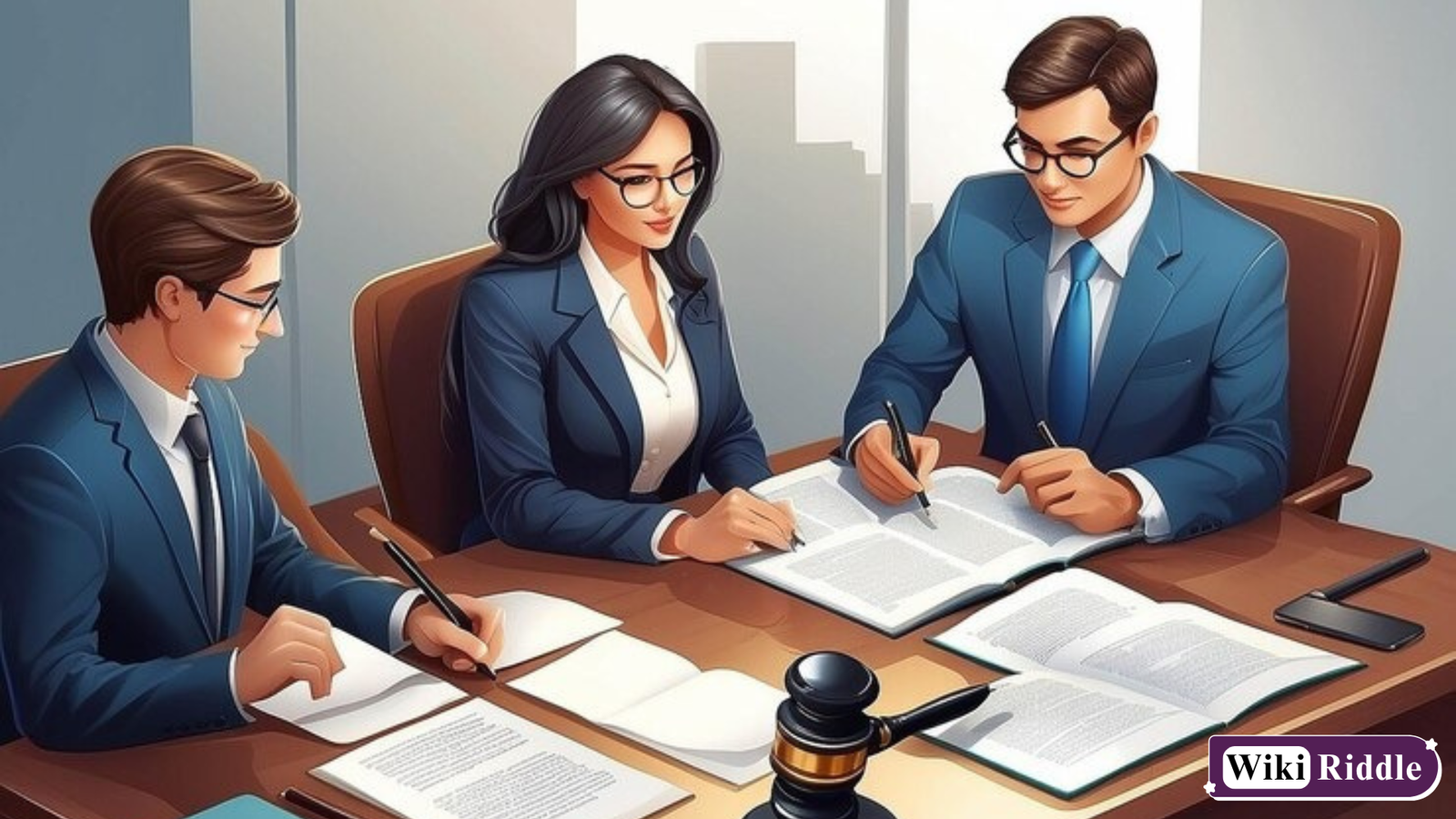
Legal riddles are puzzles that mix law and logic. They are clever questions or scenarios that require thinking like a lawyer, judge, or investigator. If you enjoy problem-solving, paying attention to details, or just teasing your brain, legal riddles are perfect.
Unlike standard riddles that often rely on wordplay alone, legal riddles require careful reasoning. They test your ability to apply rules, spot contradictions, and think critically about what is fair, right, or lawful.
Many people underestimate their value. Solving legal riddles is not just fun, it is also a way to sharpen your analytical skills, improve memory, and even train yourself to think like a professional in law or business.
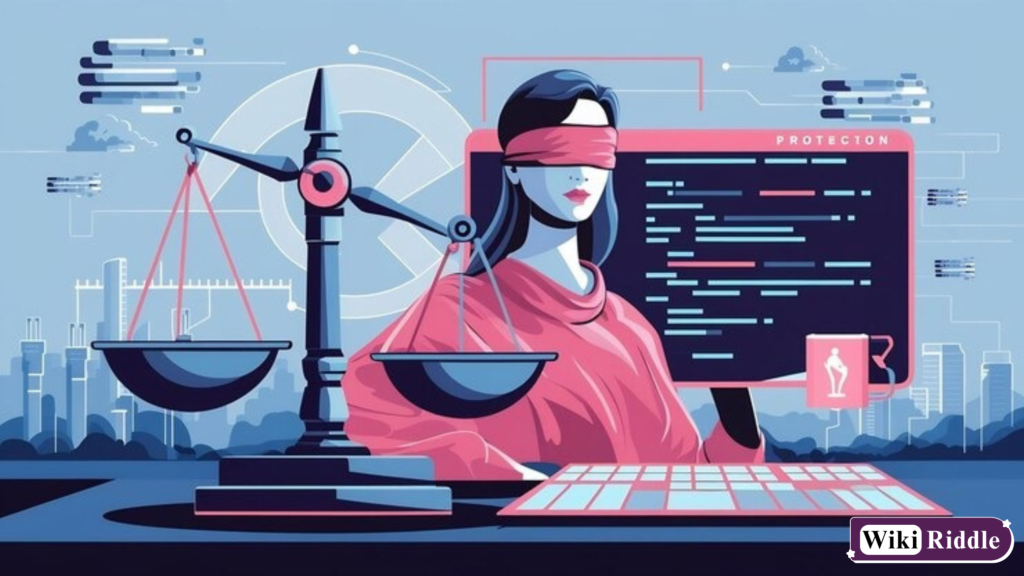
250+ “Legal Riddles” with Answers
Courtroom Conundrums
- Riddle: I sit silently as arguments swirl around me, yet my decision can set someone free or send them away. What am I?
Answer: A judge. - Riddle: I am a place where truth is sought, yet lies are often told. Where am I?
Answer: A courtroom. - Riddle: I can be sworn to tell the truth, yet some lie under me. What am I?
Answer: An oath. - Riddle: I can decide a case without speaking, and yet my absence can end a trial. What am I?
Answer: A jury. - Riddle: I am given before a case starts and can shape the whole trial. What am I?
Answer: A motion. - Riddle: I am the one who defends, yet I never fight physically. Who am I?
Answer: A lawyer. - Riddle: I am read aloud, and everyone listens carefully, for I can change the outcome. What am I?
Answer: A verdict. - Riddle: I am often long and complex, full of rules, but ignoring me can ruin your case. What am I?
Answer: A legal procedure. - Riddle: I am submitted to present evidence, but I can be rejected. What am I?
Answer: A document or exhibit. - Riddle: I can end a case with one word, yet I am not a person. What am I?
Answer: A judgment.
Criminal Case Mysteries
- Riddle: I am committed, yet I leave traces behind for the law to follow. What am I?
Answer: A crime. - Riddle: I catch criminals without a net, but I am not magic. What am I?
Answer: A detective. - Riddle: I am worn by those who enforce the law, but I am not just clothing. What am I?
Answer: A uniform. - Riddle: I am a record of what happened at a crime, yet I am not the event itself. What am I?
Answer: A police report. - Riddle: I am evidence that proves guilt or innocence, but I am not alive. What am I?
Answer: A clue. - Riddle: I can bind someone, yet I am not a chain. What am I?
Answer: Handcuffs. - Riddle: I arrive after a crime to investigate, yet I cannot prevent it. What am I?
Answer: A crime scene investigator. - Riddle: I am taken from a suspect to match the crime scene, yet I am not dangerous. What am I?
Answer: Fingerprints. - Riddle: I ask questions to find the truth, but I am not a lawyer. What am I?
Answer: An interrogator. - Riddle: I can free the innocent and catch the guilty, yet I am only a piece of paper. What am I?
Answer: A warrant.
Contract Quandaries
- Riddle: I bind two parties together, yet I am invisible until signed. What am I?
Answer: A contract. - Riddle: I can protect you or trap you depending on the fine print. What am I?
Answer: A clause. - Riddle: I am often written, sometimes oral, but always meant to be kept. What am I?
Answer: An agreement. - Riddle: I can make promises legally enforceable, yet I am not a person. What am I?
Answer: Consideration. - Riddle: I can end a deal if broken, yet I am not an object. What am I?
Answer: Breach. - Riddle: I am negotiated carefully, and a small change can have big consequences. What am I?
Answer: Terms. - Riddle: I can be terminated with mutual consent, yet I am not alive. What am I?
Answer: A contract. - Riddle: I protect secrets and ideas, but I am often overlooked. What am I?
Answer: A non-disclosure agreement. - Riddle: I promise something to someone in exchange for something else. What am I?
Answer: Consideration. - Riddle: I am the end of a deal where everyone signs happily. What am I?
Answer: Execution of a contract.
Property Puzzles
- Riddle: I can be bought, sold, or inherited, but I am not a product. What am I?
Answer: Property. - Riddle: I am proof of ownership, yet I am not alive. What am I?
Answer: A deed. - Riddle: I allow you to use land but not own it. What am I?
Answer: A lease. - Riddle: I determine boundaries and corners, yet I am not a ruler. What am I?
Answer: A survey. - Riddle: I can protect land or buildings from damage legally. What am I?
Answer: Zoning laws. - Riddle: I am a claim against property to secure payment. What am I?
Answer: A lien. - Riddle: I transfer ownership but do not carry the land with me. What am I?
Answer: A title. - Riddle: I grant permission to cross or use land, yet I am not a person. What am I?
Answer: An easement. - Riddle: I can be inherited or willed, yet I am not money. What am I?
Answer: Real estate. - Riddle: I can stop someone from using their property in a certain way. What am I?
Answer: A restraining order or injunction.
Legal Logic Challenges
- Riddle: I am the bridge between fact and conclusion, yet I am not visible. What am I?
Answer: Legal reasoning. - Riddle: I follow rules, but I am not a person. What am I?
Answer: Law. - Riddle: I can turn a true statement into a legal obligation. What am I?
Answer: Statute. - Riddle: I am used to test arguments, yet I am not a judge. What am I?
Answer: Logic. - Riddle: I can expose contradictions in a case without being present. What am I?
Answer: Cross-examination. - Riddle: I am a scenario used to predict outcomes, but I am not real. What am I?
Answer: A hypothetical case. - Riddle: I am the principle behind fair decisions, yet I am not alive. What am I?
Answer: Precedent. - Riddle: I am reasoning that must be followed step by step. What am I?
Answer: Legal argument. - Riddle: I can show inconsistencies in the law itself. What am I?
Answer: Legal loophole. - Riddle: I am used to weigh evidence and decide outcomes logically. What am I?
Answer: Burden of proof.
Constitutional Confusions
- Riddle: I guarantee rights yet cannot be seen or touched. What am I?
Answer: Constitution. - Riddle: I protect free speech but do not speak myself. What am I?
Answer: First Amendment. - Riddle: I balance power among branches yet am not a branch. What am I?
Answer: Checks and balances. - Riddle: I can be amended, but I am not paper. What am I?
Answer: A constitutional amendment. - Riddle: I ensure fairness for all under the law. What am I?
Answer: Equal protection clause. - Riddle: I prevent unreasonable searches yet I am not a police officer. What am I?
Answer: Fourth Amendment. - Riddle: I limit punishment for crimes, but I am not a judge. What am I?
Answer: Eighth Amendment. - Riddle: I guarantee a speedy trial without being present. What am I?
Answer: Sixth Amendment. - Riddle: I define the powers of government yet am not a person. What am I?
Answer: Separation of powers. - Riddle: I am invoked to challenge laws or actions as unconstitutional. What am I?
Answer: Judicial review.
Detective & Lawyer Dilemmas
- Riddle: I follow clues to solve mysteries, but I am not a scientist. What am I?
Answer: A detective. - Riddle: I argue for a client yet cannot decide the case myself. What am I?
Answer: A lawyer. - Riddle: I can reveal secrets without speaking. What am I?
Answer: Evidence. - Riddle: I ask questions to uncover truth yet I am not human. What am I?
Answer: Interrogation techniques. - Riddle: I gather facts from witnesses but never testify myself. What am I?
Answer: Investigation. - Riddle: I can protect rights but cannot enforce them alone. What am I?
Answer: Legal counsel. - Riddle: I can solve puzzles in the law, but I am not a judge. What am I?
Answer: Legal strategy. - Riddle: I am used to trick someone into revealing the truth. What am I?
Answer: Cross-examination. - Riddle: I analyze actions to prove intent. What am I?
Answer: Case study. - Riddle: I can free the innocent and convict the guilty, yet I work behind the scenes. What am I?
Answer: Legal investigation.
Jury Judgment Jumbles
- Riddle: I listen quietly, yet my opinion can decide life or death. What am I?
Answer: A juror. - Riddle: I am impartial, yet I must weigh guilt carefully. What am I?
Answer: Jury. - Riddle: I can deliver justice without speaking much. What am I?
Answer: Verdict. - Riddle: I follow instructions carefully, yet I am not a lawyer. What am I?
Answer: Jury instructions. - Riddle: I can be sequestered but I am not a prisoner. What am I?
Answer: Jury. - Riddle: I can decide based on evidence, not emotion. What am I?
Answer: Deliberation. - Riddle: I can end a trial in one statement. What am I?
Answer: Verdict. - Riddle: I am sworn to be fair yet may struggle with bias. What am I?
Answer: Juror. - Riddle: I help judges ensure trials are fair. What am I?
Answer: Jury system. - Riddle: I am unanimous in serious cases, yet silent individually. What am I?
Answer: Jury verdict.
Statute Scrambles
- Riddle: I am written to guide behavior yet I am not alive. What am I?
Answer: Law. - Riddle: I am enacted by government yet I am not a person. What am I?
Answer: Statute. - Riddle: I can be amended, repealed, or ignored at great risk. What am I?
Answer: Law. - Riddle: I define what is legal, yet I cannot enforce myself. What am I?
Answer: Regulation. - Riddle: I am referenced in court to support arguments. What am I?
Answer: Statute. - Riddle: I guide contracts and agreements without being present. What am I?
Answer: Legal code. - Riddle: I can make an action punishable even if unintended. What am I?
Answer: Strict liability law. - Riddle: I can be broken unknowingly yet lead to consequences. What am I?
Answer: Statute. - Riddle: I am a written rule that governs society. What am I?
Answer: Law. - Riddle: I can clarify ambiguities in older laws. What am I?
Answer: Amendment.
Evidence Enigmas
- Riddle: I am tangible proof but I cannot speak. What am I?
Answer: Evidence. - Riddle: I can be hidden or destroyed, yet I determine truth. What am I?
Answer: Evidence. - Riddle: I can be photographed, documented, or collected. What am I?
Answer: Exhibit. - Riddle: I can link a suspect to a crime scene, yet I am not alive. What am I?
Answer: Fingerprints. - Riddle: I reveal the story behind the crime. What am I?
Answer: Forensic evidence. - Riddle: I can be circumstantial yet convincing. What am I?
Answer: Circumstantial evidence. - Riddle: I can be hearsay, but often inadmissible. What am I?
Answer: Testimony. - Riddle: I can prove intent without words. What am I?
Answer: Documented evidence. - Riddle: I can be physical or digital, yet I am critical in court. What am I?
Answer: Evidence. - Riddle: I am presented carefully to persuade a jury. What am I?
Answer: Exhibit.
Litigation Labyrinths
- Riddle: I involve parties, arguments, and outcomes, yet I am not a person. What am I?
Answer: Litigation. - Riddle: I can drag on for years yet remain unresolved. What am I?
Answer: Lawsuit. - Riddle: I involve motions, filings, and hearings. What am I?
Answer: Legal process. - Riddle: I can be settled or contested in court. What am I?
Answer: Case. - Riddle: I am the path through legal disputes. What am I?
Answer: Litigation. - Riddle: I can end in judgment or settlement. What am I?
Answer: Lawsuit. - Riddle: I am pursued for damages, rights, or injunctions. What am I?
Answer: Litigation. - Riddle: I involve multiple steps, yet I am not a machine. What am I?
Answer: Legal procedure. - Riddle: I require patience, evidence, and strategy. What am I?
Answer: Trial. - Riddle: I can resolve disputes fairly if followed correctly. What am I?
Answer: Court process.
Legal Ethics Tests
- Riddle: I guide attorneys to do right even when tempted. What am I?
Answer: Legal ethics. - Riddle: I prevent conflicts of interest but I am not a law. What am I?
Answer: Professional conduct rules. - Riddle: I demand honesty from those who represent others. What am I?
Answer: Ethical obligation. - Riddle: I punish breaches, yet I am not a court. What am I?
Answer: Bar association. - Riddle: I am consulted when unsure if actions are right. What am I?
Answer: Legal opinion. - Riddle: I am the moral compass of lawyers. What am I?
Answer: Ethics code. - Riddle: I require confidentiality even under pressure. What am I?
Answer: Attorney-client privilege. - Riddle: I guide fairness, honesty, and integrity in law. What am I?
Answer: Legal ethics. - Riddle: I help prevent misuse of legal power. What am I?
Answer: Ethical standards. - Riddle: I ensure justice is served while maintaining professional conduct. What am I?
Answer: Legal ethics.
Inheritance Intrigues
- Riddle: I decide who gets wealth after someone passes, yet I am not alive. What am I?
Answer: A will. - Riddle: I can cancel a will if I am unfair or fraudulent. What am I?
Answer: Contest. - Riddle: I am the person who carries out the wishes of the deceased. What am I?
Answer: An executor. - Riddle: I divide assets among heirs but am not a person. What am I?
Answer: Probate. - Riddle: I can pass property to someone without a will. What am I?
Answer: Intestate succession. - Riddle: I am given to a spouse automatically after death. What am I?
Answer: Inheritance rights. - Riddle: I am often contested for fairness, yet I am written on paper. What am I?
Answer: A will. - Riddle: I can protect assets from being misused after someone dies. What am I?
Answer: Trust. - Riddle: I am a legal document that can be changed before death. What am I?
Answer: Codicil. - Riddle: I ensure children or dependents are provided for after a parent dies. What am I?
Answer: Testamentary provisions.
Intellectual Property Puzzles
- Riddle: I protect ideas, yet I am not physical. What am I?
Answer: Intellectual property. - Riddle: I prevent copying of creative works, but I am not a lock. What am I?
Answer: Copyright. - Riddle: I protect inventions, giving exclusive rights for years. What am I?
Answer: Patent. - Riddle: I safeguard logos and brand names without touching them. What am I?
Answer: Trademark. - Riddle: I can be licensed or sold without losing ownership. What am I?
Answer: Intellectual property. - Riddle: I can be infringed without a single physical action. What am I?
Answer: Copyright violation. - Riddle: I am registered to prove ownership legally. What am I?
Answer: Patent or trademark registration. - Riddle: I give creators control over distribution of their work. What am I?
Answer: Licensing. - Riddle: I expire after a set time, then anyone can use me. What am I?
Answer: Patent or copyright. - Riddle: I protect the intangible, yet I can be enforced in court. What am I?
Answer: Intellectual property.
International Law Mysteries
- Riddle: I govern countries, yet I have no borders myself. What am I?
Answer: International law. - Riddle: I resolve disputes between nations, but I am not a court. What am I?
Answer: Treaty. - Riddle: I can prevent war without firing a shot. What am I?
Answer: Diplomacy. - Riddle: I am signed by countries to agree on rules, yet I am not a person. What am I?
Answer: International treaty. - Riddle: I am violated when a country breaks agreements, yet I cannot punish myself. What am I?
Answer: International law. - Riddle: I define the rights of citizens abroad. What am I?
Answer: Consular law. - Riddle: I can protect human rights worldwide. What am I?
Answer: International conventions. - Riddle: I am enforced through sanctions or diplomacy, not guns. What am I?
Answer: International law. - Riddle: I govern seas, airspace, and borders. What am I?
Answer: Law of nations. - Riddle: I apply to all nations but rely on their cooperation. What am I?
Answer: International law.
Tax & Financial Tangles
- Riddle: I am owed to the government but often debated. What am I?
Answer: Taxes. - Riddle: I am filed annually, yet I am not a diary. What am I?
Answer: Tax return. - Riddle: I can be evaded illegally, yet I must always be paid. What am I?
Answer: Tax liability. - Riddle: I reduce what you owe if calculated correctly. What am I?
Answer: Deduction. - Riddle: I am a record of income, expenses, and obligations. What am I?
Answer: Financial statement. - Riddle: I am assessed and collected by the authorities. What am I?
Answer: Tax. - Riddle: I can be disputed if incorrect, yet I am official. What am I?
Answer: Tax assessment. - Riddle: I can determine wealth and penalties legally. What am I?
Answer: Tax law. - Riddle: I can be deferred or credited to reduce burden. What am I?
Answer: Tax credit. - Riddle: I am unavoidable if legal requirements are ignored. What am I?
Answer: Tax penalty.
Police Procedural Puzzles
- Riddle: I respond to crime without a single delay. What am I?
Answer: Police officer. - Riddle: I am taken at the scene to identify criminals. What am I?
Answer: Fingerprints. - Riddle: I secure a suspect until justice is served. What am I?
Answer: Custody. - Riddle: I am written to describe an event for investigation. What am I?
Answer: Police report. - Riddle: I authorize arrests legally. What am I?
Answer: Warrant. - Riddle: I investigate crime scenes for clues. What am I?
Answer: Detective. - Riddle: I can be collected but must not be contaminated. What am I?
Answer: Evidence. - Riddle: I am used to question suspects carefully. What am I?
Answer: Interrogation. - Riddle: I record crimes for official proceedings. What am I?
Answer: Incident report. - Riddle: I prevent escape until the court decides. What am I?
Answer: Arrest.
Contractor & Liability Challenges
- Riddle: I determine responsibility when something goes wrong. What am I?
Answer: Liability. - Riddle: I am written to allocate risk, yet I am not alive. What am I?
Answer: Contract clause. - Riddle: I protect against lawsuits for accidents. What am I?
Answer: Insurance. - Riddle: I arise when duty is breached. What am I?
Answer: Negligence. - Riddle: I can be limited by agreements, yet I exist by law. What am I?
Answer: Liability. - Riddle: I am a builder’s legal responsibility. What am I?
Answer: Contractor liability. - Riddle: I arise from faulty workmanship. What am I?
Answer: Breach of duty. - Riddle: I can require payment for damages caused. What am I?
Answer: Compensation. - Riddle: I clarify who is accountable in legal disputes. What am I?
Answer: Indemnity clause. - Riddle: I exist to prevent careless actions from harming others. What am I?
Answer: Liability law.
Legal Wordplay & Puns
- Riddle: I am taken in court and sometimes in jest. What am I?
Answer: Subpoena (sounding like “sub poena”). - Riddle: I am passed by a body yet not alive. What am I?
Answer: Law (or “passed a law”). - Riddle: I am a criminal who tells jokes. What am I?
Answer: A con pun-drum. - Riddle: I am broken when ignored but not fragile. What am I?
Answer: Law. - Riddle: I decide cases but also make a play on words. What am I?
Answer: Judge (as in judging puns). - Riddle: I am filed but not paper; I’m heard but not music. What am I?
Answer: Lawsuit. - Riddle: I can appeal without walking. What am I?
Answer: Legal appeal. - Riddle: I’m a theft that sounds tasty. What am I?
Answer: Larceny (like “larc-en-y”). - Riddle: I bind agreements but also rhyme. What am I?
Answer: Contract. - Riddle: I am a brief document that can be funny too. What am I?
Answer: Legal brief.
Judicial History Riddles
- Riddle: I decided a case that changed the law forever, yet I am not alive. What am I?
Answer: Landmark ruling. - Riddle: I am written to record decisions from long ago. What am I?
Answer: Court opinion. - Riddle: I can be cited centuries later to support arguments. What am I?
Answer: Precedent. - Riddle: I involve judges, lawyers, and sometimes a famous trial. What am I?
Answer: Historical case. - Riddle: I am remembered for justice or controversy. What am I?
Answer: Landmark case. - Riddle: I interpret the constitution and shape society. What am I?
Answer: Supreme Court decision. - Riddle: I can be overturned but often guide future rulings. What am I?
Answer: Precedent. - Riddle: I am a famous trial recorded in books and law journals. What am I?
Answer: Historical trial. - Riddle: I teach lawyers about past mistakes and victories. What am I?
Answer: Case law. - Riddle: I can define legal principles for generations. What am I?
Answer: Judicial precedent.
Legal Identity Mysteries
- Riddle: I am used to prove who you are legally, yet I am not a person. What am I?
Answer: Identification document. - Riddle: I confirm your citizenship without speaking. What am I?
Answer: Passport. - Riddle: I determine liability, rights, and obligations for someone. What am I?
Answer: Legal identity. - Riddle: I can be stolen to commit fraud. What am I?
Answer: Identity. - Riddle: I am a unique number issued by the government to track individuals. What am I?
Answer: Social Security number. - Riddle: I prove ownership of property or rights legally. What am I?
Answer: Title or deed. - Riddle: I can be challenged in court to verify authenticity. What am I?
Answer: Legal documentation. - Riddle: I confirm your age, citizenship, or status without words. What am I?
Answer: Official ID. - Riddle: I protect someone’s name and rights in society. What am I?
Answer: Legal identity. - Riddle: I can be forged but must be verified to avoid crime. What am I?
Answer: Identity documents.
Regulation Riddles
- Riddle: I tell businesses what they can and cannot do, yet I am not a person. What am I?
Answer: Regulation. - Riddle: I am enforced by authorities but do not speak. What am I?
Answer: Rule. - Riddle: I guide safety, finance, and environmental standards. What am I?
Answer: Regulatory law. - Riddle: I can fine or penalize violators without raising a hand. What am I?
Answer: Regulation. - Riddle: I ensure fairness in markets and operations. What am I?
Answer: Compliance rules. - Riddle: I am written but not a contract; I must be followed. What am I?
Answer: Statutory regulation. - Riddle: I am updated when laws or needs change. What am I?
Answer: Regulation. - Riddle: I govern industries without being alive. What am I?
Answer: Rules. - Riddle: I protect consumers and employees alike. What am I?
Answer: Regulatory law. - Riddle: I can prevent harm before it occurs. What am I?
Answer: Regulation.
Civil Rights Conundrums
- Riddle: I guarantee freedom for all, yet I am not alive. What am I?
Answer: Civil rights. - Riddle: I protect people from discrimination in work or school. What am I?
Answer: Anti-discrimination laws. - Riddle: I allow citizens to vote without unfair barriers. What am I?
Answer: Voting rights. - Riddle: I ensure equality under the law. What am I?
Answer: Equal protection clause. - Riddle: I am exercised in protests, courts, and public life. What am I?
Answer: Freedom of expression. - Riddle: I prevent unequal treatment based on race, gender, or religion. What am I?
Answer: Civil rights legislation. - Riddle: I can be upheld or violated depending on law enforcement. What am I?
Answer: Civil liberties. - Riddle: I protect the right to assemble and speak freely. What am I?
Answer: First Amendment rights. - Riddle: I am often challenged to expand or defend equality. What am I?
Answer: Civil rights law. - Riddle: I ensure dignity, fairness, and justice for everyone. What am I?
Answer: Civil rights protections.
Punishment & Penalty Puzzles
- Riddle: I am assigned after someone breaks the law, yet I am not alive. What am I?
Answer: Punishment. - Riddle: I can be a fine, jail time, or community service. What am I?
Answer: Penalty. - Riddle: I am meant to deter others from wrongdoing. What am I?
Answer: Sentencing. - Riddle: I follow conviction and uphold justice. What am I?
Answer: Punishment. - Riddle: I can be reduced on appeal, yet I am real. What am I?
Answer: Sentence. - Riddle: I am applied according to the severity of the crime. What am I?
Answer: Penalty. - Riddle: I can rehabilitate, punish, or compensate society. What am I?
Answer: Sentencing. - Riddle: I am imposed by a court or law. What am I?
Answer: Legal penalty. - Riddle: I follow rules to ensure fairness. What am I?
Answer: Judicial sentencing. - Riddle: I can be avoided only by obeying the law. What am I?
Answer: Punishment.
Misdemeanor & Felony Logic
- Riddle: I am a crime that can be minor or major. What am I?
Answer: Offense. - Riddle: I am less serious than a felony but more than nothing. What am I?
Answer: Misdemeanor. - Riddle: I can result in jail for over a year. What am I?
Answer: Felony. - Riddle: I require intent or negligence to occur. What am I?
Answer: Crime. - Riddle: I determine whether someone goes to county jail or prison. What am I?
Answer: Classification of crime. - Riddle: I can be punished with fines, community service, or imprisonment. What am I?
Answer: Crime. - Riddle: I am distinguished by severity, not by the act alone. What am I?
Answer: Misdemeanor or felony. - Riddle: I can affect future rights like voting or employment. What am I?
Answer: Felony conviction. - Riddle: I am judged under law to ensure fairness. What am I?
Answer: Criminal case. - Riddle: I can be upgraded or reduced depending on evidence. What am I?
Answer: Charge classification.
What Are Legal Riddles
Legal riddles are puzzles or questions based on legal situations, hypothetical cases, or courtroom scenarios. They require careful thinking and understanding of logical reasoning. Some riddles are inspired by actual court cases, while others are purely fictional.
A typical legal riddle might present a scenario like this. A man claims he was at home when a crime happened, but the judge asks a single question that proves he is guilty. The solution requires analyzing the situation carefully, paying attention to what was said, and applying logic in a legal context.
Why Legal Riddles Are Fascinating
The appeal of legal riddles lies in their mix of mental challenge and real-world logic. They make you pause, think, and consider every detail. They are not just about clever wordplay but also about seeing the problem from multiple perspectives.
Solving a good legal riddle feels satisfying because it often involves a surprising twist or a clever loophole that you would not notice at first. Legal riddles appeal to people who enjoy both puzzles and the intricacies of law.
How Legal Riddles Sharpen Your Mind
Legal riddles train your brain in several ways. First, they improve logical reasoning. You learn to identify relevant facts and separate them from distractions. Second, they boost problem-solving skills. Each riddle challenges you to find a solution using a methodical approach. Third, they enhance attention to language. Legal riddles often hinge on one word or phrase, so you learn to read carefully.
Practicing legal riddles regularly can even improve skills like decision-making, negotiation, and strategy. Lawyers often rely on these exact skills in real-life cases.
The History of Legal Riddles
- Ancient Legal Riddles
Legal riddles have existed for thousands of years. Ancient civilizations like Greece, Rome, and Mesopotamia used riddles to teach law, ethics, and reasoning. Judges and philosophers created these puzzles to test logic and fairness. They were often framed as moral dilemmas or tricky court cases.
- Medieval Courtroom Puzzles
In medieval Europe, law students and apprentices were sometimes given riddles to solve as part of their training. These puzzles were practical exercises in reasoning and interpreting rules. They helped future lawyers learn how to evaluate evidence, spot inconsistencies, and think critically.
- Modern Legal Brain Teasers
Today, legal riddles appear in law school exercises, online puzzle forums, competitions, and books. They are used to teach analytical thinking, to entertain law enthusiasts, and to train professionals in legal logic. Modern legal riddles often incorporate realistic scenarios, wordplay, and logic puzzles.
Common Types of Legal Riddles
- Logic-Based Legal Riddles
Logic-based legal riddles focus on deduction and reasoning. They present a situation and require you to figure out what happened based on clues. Often these riddles involve alibis, contracts, or property disputes. Solving them teaches careful observation and analytical thinking.
- Wordplay and Pun Legal Riddles
Some legal riddles rely on language. They use words with multiple meanings, legal jargon, or clever puns. These riddles are often short, but they are tricky because the answer is hidden in plain sight.
- Real-Life Courtroom Scenarios
Many legal riddles are inspired by actual court cases. They pose a hypothetical problem similar to real-life legal disputes. These riddles not only entertain but also educate, giving insight into how law works in practice.
Benefits of Solving Legal Riddles
- Enhancing Critical Thinking
Legal riddles force you to analyze information carefully. They teach you to consider every detail, weigh evidence, and think logically. These skills are useful not only in law but in business, academics, and everyday decisions.
- Improving Problem-Solving Skills
Each legal riddle is a unique problem. Solving riddles improves your ability to approach challenges methodically, find patterns, and anticipate outcomes. It also teaches you patience and persistence.
- Entertainment and Mental Exercise
Legal riddles are fun. They combine mental exercise with entertainment. Solving a tough riddle gives a sense of achievement and encourages you to challenge yourself with even harder puzzles.
Famous Legal Riddles Around the World
- Classic English Legal Riddles
England has a rich tradition of legal riddles. Many originate from law schools and historical legal texts. These riddles often use wordplay or logic to teach legal principles. They have inspired many modern puzzles.
- American Legal Brain Teasers
In the United States, legal riddles appear in law schools, bar exam training, and competitions. They test reasoning skills, creativity, and quick thinking. Some riddles are based on contracts, property disputes, or criminal law.
- International Legal Riddles
Other countries also have legal riddles rooted in local laws and court systems. For example, Germany, Japan, and France have their own traditions of puzzles that combine law and logic. These riddles often reflect cultural differences in legal thinking.
How to Solve Legal Riddles Effectively
- Step-by-Step Problem Solving
- Read the riddle carefully and more than once.
- Identify the key facts and legal rules mentioned.
- Highlight contradictions or unusual details.
- Consider different interpretations.
- Test your solution logically before finalizing.
- Identifying Key Clues
Clues in legal riddles are often hidden in small words or phrasing. Words like must, cannot, or only can completely change the answer. Paying attention to these details is crucial.
- Avoiding Common Mistakes
Many people overthink or assume missing information. Legal riddles often require careful reading and logical application of rules. Avoid rushing to conclusions or ignoring seemingly minor details.
Legal Riddles in Pop Culture
- Movies and TV Shows
Legal dramas and crime series often include puzzles and riddles inspired by real legal reasoning. Characters solve mysteries or courtroom problems using logic similar to legal riddles.
- Books and Literature
Mystery novels and legal thrillers often feature legal riddles. These riddles make the story more engaging and encourage readers to solve the problem alongside the protagonist.
- Online Communities
There are forums, websites, and social media groups dedicated to legal riddles. Enthusiasts share puzzles, discuss solutions, and challenge each other. These communities are great for learning new techniques and staying engaged.
Creating Your Own Legal Riddles
- Tips for Crafting Challenging Riddles
Start with a legal principle or scenario. Add an unusual fact or twist. Keep the riddle realistic but challenging. The goal is to make solvers think creatively without making the puzzle unfair.
- Using Real-Life Scenarios
Draw inspiration from actual laws, cases, or courtroom events. This makes your riddle more realistic and relatable while keeping it interesting.
- Testing Your Riddles
Share your riddle with friends, classmates, or colleagues. Their feedback will help you improve clarity and difficulty. Observing how others approach your riddle can also inspire new ideas.
Common Mistakes People Make
- Overthinking
Sometimes the simplest explanation is correct. Overcomplicating the problem can prevent you from seeing the answer.
- Ignoring Legal Principles
Many riddles rely on legal rules. Ignoring these principles can lead to incorrect conclusions.
- Misreading the Language
Legal riddles often hinge on specific words. Misreading or skipping words can make solving the riddle impossible.
Legal Riddles for Kids and Students
- Simplifying Legal Concepts
Legal riddles can introduce children to law in a fun, simple way. They can learn about rules, fairness, and logical thinking while playing.
- Classroom Activities
Teachers can use riddles as exercises to teach reasoning, problem-solving, and attention to detail.
- Early Critical Thinking
Legal riddles encourage children to analyze, question, and explore different solutions. This builds a strong foundation for reasoning skills.
Online Resources for Legal Riddles
- Websites and Forums
Websites and forums offer daily legal riddles, tips, and solutions. They are a good place to learn and practice.
- Mobile Apps and Games
Apps provide interactive legal riddles for on-the-go practice. Some apps even track your progress and offer challenges at different difficulty levels.
- Books and E-books
Several books compile collections of legal riddles for students, law professionals, and enthusiasts. They are excellent for practice and entertainment.
How Lawyers and Judges Use Riddles
- Training Critical Thinking
Riddles are sometimes used in law schools to teach logic, reasoning, and case analysis.
- Developing Courtroom Strategy
They help lawyers anticipate opposing arguments, spot loopholes, and think strategically about cases.
- Stress Relief and Mental Exercise
Solving riddles can be a relaxing break that still exercises the mind and keeps reasoning skills sharp.
The Psychology Behind Legal Riddles
- Problem-Solving and Creativity
Legal riddles activate both logical and creative thinking. Solvers learn to see problems from multiple angles.
- Cognitive Flexibility
Working through riddles strengthens your ability to switch perspectives, a key skill in law and everyday decision-making.
- Mental Stimulation
Legal riddles provide mental exercise that improves focus, memory, and analytical thinking over time.
Challenges of Legal Riddles
- Ambiguity
Some riddles are intentionally tricky. They test your ability to handle unclear or incomplete information.
- Balancing Difficulty and Fun
Riddles should be challenging but still enjoyable. If they are too hard, they can frustrate solvers instead of engaging them.
- Keeping Realism
The best legal riddles feel plausible in a real-world context while still offering a clever twist.
Conclusion
Exploring these 250+ fun and challenging legal riddles not only sharpens your reasoning skills but also gives you a playful insight into the logic behind laws. Whether you’re a law enthusiast or just love a good brain teaser, these riddles offer hours of entertainment and mental stimulation. And if you enjoyed these clever puzzles, don’t miss out on our 250+ Fun Freezer Riddles (With Answers) You Must Try for another round of brain-tickling fun!
FAQs
Q. What are some simple legal riddles for beginners
Beginner riddles often involve straightforward logic or wordplay, such as determining who owns an item in a simple scenario.
Q. Can legal riddles improve real legal reasoning
Yes, they train attention to detail, logic, and interpreting rules, which are essential skills in law.
Q. Are there competitions for legal riddles
Yes, law schools and online platforms sometimes host competitions and challenges for legal riddles.
Q. How do I make a legal riddle fair but challenging
Include subtle clues, realistic scenarios, and logical principles without overcomplicating the riddle.
Q. Where can I find daily legal riddles online
Legal puzzle websites, forums, and apps often provide daily or weekly legal riddles to practice and enjoy.