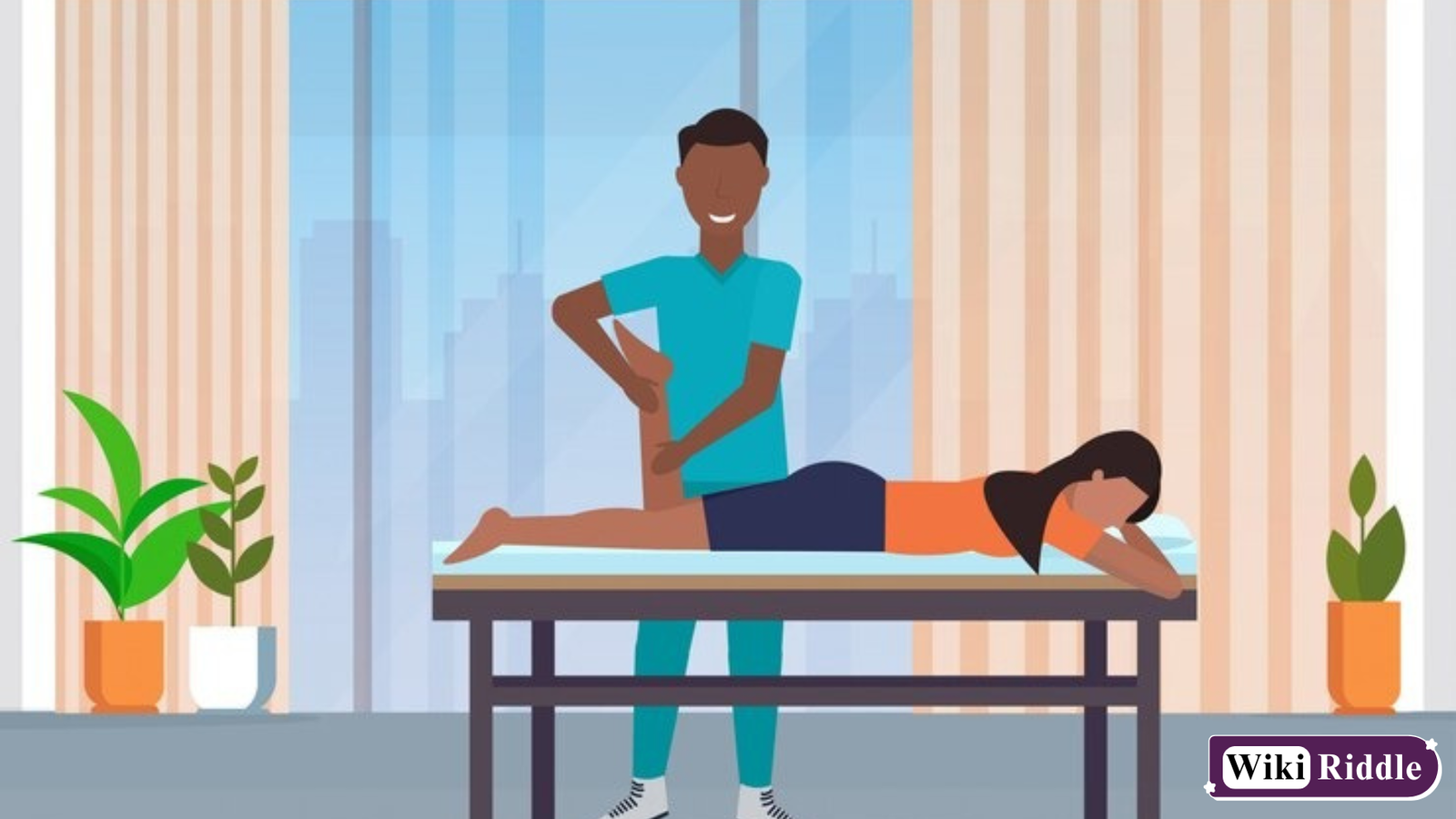
Physical therapy can sometimes feel repetitive or even boring. The stretches, movements, and exercises are important, but motivation can wane quickly. This is where Physical Therapy Riddles come in. They are clever, interactive challenges that combine thinking with movement.
A physical therapy riddle is a puzzle that requires physical action to solve. It might ask you to balance, stretch, or move in a certain way while figuring out a solution. The idea is simple: make therapy more engaging by turning it into a game for both the mind and body. These riddles are used by therapists to improve patient participation, encourage creative problem-solving, and make recovery less intimidating.
Whether you are recovering from surgery, dealing with chronic pain, or looking for ways to enhance your balance and flexibility, Physical Therapy Riddles offer a unique, fun, and effective approach.
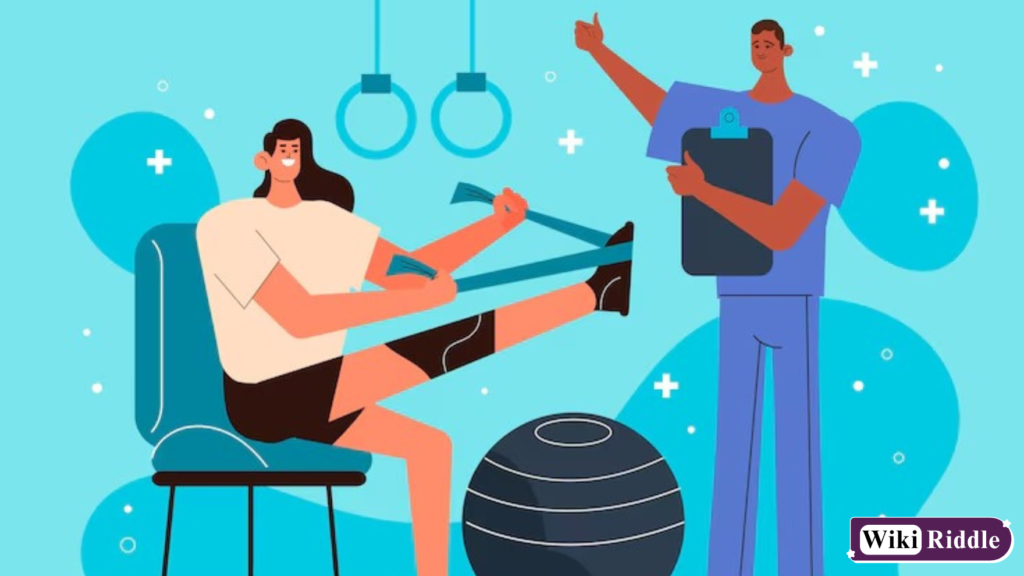
250+ “Physical Therapy Riddles” with Answers
Body Part Puzzles
- Riddle: I connect your thigh to your shin and help you bend your knee. What am I?
Answer: Hamstring - Riddle: I am the largest bone in your body. What am I?
Answer: Femur - Riddle: I am a small bone in your wrist that lets you pivot your hand. What am I?
Answer: Radius - Riddle: I protect your brain and am hard as a helmet. What am I?
Answer: Skull - Riddle: I am the muscle that pumps blood throughout your body. What am I?
Answer: Heart - Riddle: I let you shrug your shoulders and raise your arms. What am I?
Answer: Trapezius - Riddle: I am the muscle in your upper arm that bends your elbow. What am I?
Answer: Biceps - Riddle: I am the part of your leg that bears weight when you stand. What am I?
Answer: Tibia - Riddle: I am the tiny bone in your ear that helps you hear. What am I?
Answer: Stapes - Riddle: I am the muscle you use to smile. What am I?
Answer: Zygomaticus
Movement Mysteries
- Riddle: I help you go from sitting to standing smoothly. What am I practicing?
Answer: Squat - Riddle: I help you glide across the floor without leaving your chair. What is this movement?
Answer: Slide - Riddle: I help you keep your balance on one foot. What am I doing?
Answer: Single-leg stance - Riddle: I am the movement that brings your knee toward your chest while lying down. What am I?
Answer: Knee hug - Riddle: I help you reach overhead safely while stretching. What is this motion?
Answer: Shoulder flexion - Riddle: I am a movement that turns your palm upward. What am I?
Answer: Supination - Riddle: I am the movement that turns your palm downward. What am I?
Answer: Pronation - Riddle: I help your leg move away from the body’s midline. What is this called?
Answer: Abduction - Riddle: I help your leg move toward the body’s midline. What is this called?
Answer: Adduction - Riddle: I am a gentle twisting motion used in stretching your spine. What am I?
Answer: Rotation
Rehab Riddles
- Riddle: I help you regain strength after a broken bone. What am I doing?
Answer: Resistance exercises - Riddle: I am used to improve range of motion in your shoulder after surgery. What am I?
Answer: Pendulum swings - Riddle: I help retrain walking after a stroke. What is this type of therapy?
Answer: Gait training - Riddle: I involve slowly bending and straightening a joint to reduce stiffness. What am I?
Answer: Joint mobilization - Riddle: I am used to improve your hand coordination and fine motor skills. What am I doing?
Answer: Dexterity exercises - Riddle: I am a water-based therapy that eases pain while exercising. What am I?
Answer: Aquatic therapy - Riddle: I help reduce swelling in an injured leg using pressure. What am I?
Answer: Compression therapy - Riddle: I am a low-impact exercise to rebuild leg strength after injury. What am I?
Answer: Cycling - Riddle: I involve balancing on one leg to strengthen your ankle and knee. What am I?
Answer: Proprioceptive training - Riddle: I am a technique to retrain muscles to contract in proper order. What am I?
Answer: Neuromuscular re-education
Injury Enigmas
- Riddle: I am a common injury from twisting your ankle on uneven ground. What am I?
Answer: Sprain - Riddle: I am a painful condition in the knee caused by overuse in runners. What am I?
Answer: Patellar tendinitis - Riddle: I happen when a muscle or tendon tears from overexertion. What am I?
Answer: Strain - Riddle: I am an injury from sudden impact that bruises the bone. What am I?
Answer: Contusion - Riddle: I am a fracture that cracks but does not fully break the bone. What am I?
Answer: Hairline fracture - Riddle: I occur when the spine is compressed, often in falls or heavy lifting. What am I?
Answer: Vertebral compression fracture - Riddle: I am a shoulder injury caused by repetitive overhead motion. What am I?
Answer: Rotator cuff tear - Riddle: I happen when ligaments in the knee are overstretched or torn. What am I?
Answer: ACL injury - Riddle: I am pain at the heel caused by inflammation of the connective tissue. What am I?
Answer: Plantar fasciitis - Riddle: I am an overuse injury of the elbow, also called “tennis elbow.” What am I?
Answer: Lateral epicondylitis
Exercise Extravaganza
- Riddle: I am done lying on your back and lifting both legs up slowly. What am I?
Answer: Leg raise - Riddle: I am a seated exercise using resistance bands to strengthen arms. What am I?
Answer: Band rows - Riddle: I am a plank variation that targets your core and shoulders. What am I?
Answer: Forearm plank - Riddle: I involve squatting then jumping explosively. What am I?
Answer: Jump squat - Riddle: I am done lying face down and lifting your arms and legs together. What am I?
Answer: Superman - Riddle: I am a stepping exercise to strengthen quads and glutes. What am I?
Answer: Step-up - Riddle: I involve cycling your legs in the air while lying on your back. What am I?
Answer: Bicycle crunch - Riddle: I strengthen your calves while standing on tiptoes. What am I?
Answer: Calf raise - Riddle: I am a low-impact arm movement done in water. What am I?
Answer: Water arm circles - Riddle: I combine lunges and twisting your torso to engage multiple muscles. What am I?
Answer: Lunge twist
Balance & Coordination Challenges
- Riddle: I am done standing on one leg with eyes closed. What am I practicing?
Answer: Single-leg balance - Riddle: I am a movement using a wobble board. What skill do I improve?
Answer: Proprioception - Riddle: I am catching a ball while standing on one leg. What am I training?
Answer: Coordination - Riddle: I am walking heel-to-toe in a straight line. What am I?
Answer: Tandem walking - Riddle: I involve shifting weight side to side on one leg. What am I doing?
Answer: Lateral weight shift - Riddle: I am stepping over obstacles without losing balance. What am I practicing?
Answer: Dynamic balance - Riddle: I am standing on a foam pad to challenge stability. What am I training?
Answer: Core stability - Riddle: I am slowly lifting one arm while standing to maintain balance. What am I practicing?
Answer: Weight transfer - Riddle: I involve squatting on an unstable surface. What skill am I improving?
Answer: Balance strength - Riddle: I am a coordination drill involving both hands and feet simultaneously. What am I doing?
Answer: Cross-lateral exercise
Posture Puzzles
- Riddle: I am the curve in your lower back that keeps you upright. What am I?
Answer: Lumbar lordosis - Riddle: I am the forward rounding of shoulders. What am I called?
Answer: Kyphosis - Riddle: I am a proper way to sit at a desk to avoid back pain. What am I practicing?
Answer: Ergonomic posture - Riddle: I am aligning your ears, shoulders, and hips in a straight line. What am I doing?
Answer: Neutral spine - Riddle: I am the posture correction exercise done by squeezing shoulder blades together. What am I?
Answer: Scapular retraction - Riddle: I involve keeping your head up while standing tall. What am I practicing?
Answer: Head alignment - Riddle: I am strengthening the muscles between your shoulder blades. What is my purpose?
Answer: Postural support - Riddle: I am a seated stretch to counteract slouching. What am I?
Answer: Chest opener - Riddle: I help reduce a forward-tilted pelvis. What am I strengthening?
Answer: Core muscles - Riddle: I involve lengthening the spine while lying on the floor. What am I practicing?
Answer: Spinal elongation
Range of Motion Riddles
- Riddle: I am lifting your arm straight in front of you. What am I doing?
Answer: Shoulder flexion - Riddle: I am bending your elbow. What motion is this?
Answer: Flexion - Riddle: I am straightening your elbow after bending it. What motion is this?
Answer: Extension - Riddle: I am rotating your leg outward at the hip. What am I doing?
Answer: External rotation - Riddle: I am rotating your leg inward at the hip. What am I doing?
Answer: Internal rotation - Riddle: I am lifting your leg sideways away from the body. What am I doing?
Answer: Abduction - Riddle: I am bringing your leg back toward the midline. What am I doing?
Answer: Adduction - Riddle: I am bending your wrist so your palm faces down. What motion is this?
Answer: Wrist flexion - Riddle: I am bending your wrist so your palm faces up. What motion is this?
Answer: Wrist extension - Riddle: I am moving your ankle so your toes point up. What is this motion?
Answer: Dorsiflexion
Strength & Resistance Riddles
- Riddle: I am done by pushing against a wall to strengthen chest muscles. What am I?
Answer: Wall push-up - Riddle: I involve pulling a resistance band toward your chest. What am I doing?
Answer: Band row - Riddle: I am lifting a dumbbell while bending your elbow. What exercise am I?
Answer: Bicep curl - Riddle: I involve pushing a weight overhead to strengthen shoulders. What am I?
Answer: Shoulder press - Riddle: I am strengthening calves by rising onto tiptoes. What am I?
Answer: Calf raise - Riddle: I am lying on my back and pushing a weight upward with my legs. What am I?
Answer: Leg press - Riddle: I involve squatting while holding weight in front of your chest. What exercise am I?
Answer: Goblet squat - Riddle: I strengthen core by holding a straight position on forearms. What am I?
Answer: Plank - Riddle: I am lifting one leg backward while keeping it straight to strengthen glutes. What am I?
Answer: Donkey kick - Riddle: I am pushing a weighted sled forward with your legs. What am I doing?
Answer: Sled push
Equipment Enigmas
- Riddle: I am a stretchy tool used to strengthen muscles and improve flexibility. What am I?
Answer: Resistance band - Riddle: I am a round ball used for core and balance exercises. What am I?
Answer: Exercise ball - Riddle: I am a machine that lets you pedal while sitting, often after knee or hip surgery. What am I?
Answer: Stationary bike - Riddle: I am a small, handheld device that vibrates to massage sore muscles. What am I?
Answer: Massage gun - Riddle: I am a board that wobbles to challenge balance. What am I?
Answer: Balance board - Riddle: I am used to support joints or muscles during therapy exercises. What am I?
Answer: Therapy strap - Riddle: I am a long tube filled with air or foam used for stretching and strengthening. What am I?
Answer: Foam roller - Riddle: I am used to help patients walk safely during rehab. What am I?
Answer: Walker - Riddle: I am a device you push or pull to strengthen upper or lower body muscles. What am I?
Answer: Cable machine - Riddle: I am worn on the foot to protect and support the ankle during recovery. What am I?
Answer: Ankle brace
Pain Point Puzzles
- Riddle: I ache after sitting too long at a desk with poor posture. Where am I hurting?
Answer: Lower back - Riddle: I throb on the side of your knee after running downhill. What is causing this pain?
Answer: IT band - Riddle: I feel stiff in the morning, especially in the big toe joint. What am I experiencing?
Answer: Gout - Riddle: I ache in the heel, especially after waking up. What condition am I dealing with?
Answer: Plantar fasciitis - Riddle: I feel soreness along the back of the calf after exercise. What muscle is affected?
Answer: Gastrocnemius - Riddle: I feel a sharp pain in the elbow after lifting objects repeatedly. What is this called?
Answer: Tennis elbow - Riddle: I ache in my neck from looking down at my phone too long. What is this posture pain called?
Answer: Text neck - Riddle: I feel discomfort in my shoulder after throwing repeatedly. What is injured?
Answer: Rotator cuff - Riddle: I have swelling and tenderness in the wrist after typing for hours. What am I experiencing?
Answer: Carpal tunnel syndrome - Riddle: I feel sharp pain in my lower back when bending or lifting. What is this likely?
Answer: Lumbar strain
Gait Guessing Game
- Riddle: I walk with a limp on one leg after a sprained ankle. What type of gait am I showing?
Answer: Antalgic gait - Riddle: I take tiny, shuffling steps and bend forward slightly. What is this gait called?
Answer: Parkinsonian gait - Riddle: I swing my leg outward in a circular motion when walking. What type of gait is this?
Answer: Circumduction gait - Riddle: I lift my knee very high when walking, like marching. What gait am I showing?
Answer: Steppage gait - Riddle: I drag one foot slightly with each step due to weakness. What is this gait called?
Answer: Foot drop gait - Riddle: I walk with my feet wide apart for extra stability. What type of gait am I showing?
Answer: Ataxic gait - Riddle: I swing my arms minimally while walking slowly. What gait is this?
Answer: Hemiplegic gait - Riddle: I walk stiffly, keeping both legs together. What is this gait?
Answer: Scissors gait - Riddle: I favor one side of my body while walking due to pain or weakness. What is this called?
Answer: Trendelenburg gait - Riddle: I walk with uneven steps, sometimes fast, sometimes slow, and unpredictable. What gait is this?
Answer: Festinating gait
Stretching Secrets
- Riddle: I stretch the back of your thigh while lying on your back. What stretch am I doing?
Answer: Hamstring stretch - Riddle: I reach one arm across my chest to loosen my shoulder. What stretch is this?
Answer: Shoulder stretch - Riddle: I kneel and push my hips forward to stretch the front of my thigh. What stretch am I doing?
Answer: Hip flexor stretch - Riddle: I sit and reach for my toes to lengthen my spine. What am I doing?
Answer: Seated forward bend - Riddle: I stand and bend sideways to stretch my obliques. What is this stretch called?
Answer: Side stretch - Riddle: I pull my ankle toward my glutes while standing. What am I stretching?
Answer: Quadriceps - Riddle: I clasp my hands behind my back and lift them to open my chest. What stretch am I doing?
Answer: Chest opener - Riddle: I cross one leg over the other while lying down to stretch my lower back. What am I doing?
Answer: Figure-four stretch - Riddle: I sit and rotate my torso gently to stretch my spine. What stretch is this?
Answer: Spinal twist - Riddle: I reach both arms overhead and lean back slightly to stretch the abs. What am I doing?
Answer: Overhead backbend stretch
Sports Rehab Mysteries
- Riddle: I rehabilitate my torn ACL with controlled knee exercises. What injury am I recovering from?
Answer: ACL tear - Riddle: I strengthen my shoulder after a rotator cuff surgery. What body part is being rehabbed?
Answer: Shoulder - Riddle: I perform balance drills after an ankle sprain to prevent future injuries. What injury am I recovering from?
Answer: Ankle sprain - Riddle: I do eccentric calf exercises to treat pain in my Achilles tendon. What condition am I addressing?
Answer: Achilles tendinopathy - Riddle: I use resistance bands to restore strength after a hamstring strain. What muscle is injured?
Answer: Hamstring - Riddle: I perform gentle stretches to recover from tennis elbow. What is inflamed?
Answer: Lateral epicondyle - Riddle: I train my hip stabilizers after a labral tear in my hip joint. What area am I focusing on?
Answer: Hip - Riddle: I slowly progress running drills after stress fractures in my foot. What am I recovering from?
Answer: Foot stress fracture - Riddle: I use cycling and swimming to rehab my knee without impact. What is the benefit of these exercises?
Answer: Low-impact strengthening - Riddle: I practice single-leg squats to improve stability after ankle surgery. What skill is being regained?
Answer: Balance and strength
Neurological Therapy Riddles
- Riddle: I practice reaching and grasping objects to improve hand function after a stroke. What am I doing?
Answer: Occupational therapy - Riddle: I repeat walking exercises to retrain my brain after nerve injury. What is this therapy called?
Answer: Gait training - Riddle: I use both hands to perform cross-body movements to stimulate coordination. What is this called?
Answer: Bilateral training - Riddle: I perform slow, repetitive movements to regain muscle control. What therapy technique is this?
Answer: Neuromuscular re-education - Riddle: I practice balance on a foam pad to improve sensory feedback. What am I working on?
Answer: Proprioception - Riddle: I use visual cues to guide movements after a brain injury. What technique am I using?
Answer: Visual-motor training - Riddle: I tap muscles in a rhythmic pattern to improve coordination. What technique is this?
Answer: Rhythmic stabilization - Riddle: I use functional tasks like reaching and lifting to retrain my nervous system. What is this called?
Answer: Task-specific training - Riddle: I practice slow stretching of spastic muscles to reduce stiffness. What is this called?
Answer: Neurostretching - Riddle: I engage in mirror therapy to regain hand movement after stroke. What tool am I using?
Answer: Mirror
Pediatric Therapy Puzzles
- Riddle: I crawl, stand, and walk to improve gross motor skills. What am I practicing?
Answer: Developmental milestones - Riddle: I use small blocks to improve hand-eye coordination. What skill am I working on?
Answer: Fine motor skills - Riddle: I ride a tricycle to strengthen leg muscles. What activity is this?
Answer: Gross motor play - Riddle: I balance on a beam to improve coordination. What skill is being trained?
Answer: Balance - Riddle: I do animal walks like bear crawl or crab walk. What type of therapy is this?
Answer: Play-based therapy - Riddle: I reach and stretch to grab objects while standing. What skill is this improving?
Answer: Upper body strength - Riddle: I stack rings and beads to work on precision. What skill am I improving?
Answer: Fine motor control - Riddle: I jump over low obstacles to strengthen legs. What skill is being trained?
Answer: Plyometric coordination - Riddle: I push a ball back and forth to practice hand-eye coordination. What skill am I doing?
Answer: Motor planning - Riddle: I walk on tiptoes and heels to improve balance. What is this called?
Answer: Gait training
Elderly Mobility Mysteries
- Riddle: I practice standing up from a chair without using my hands. What skill am I improving?
Answer: Sit-to-stand - Riddle: I walk slowly while holding a railing to regain confidence. What skill is this?
Answer: Safe ambulation - Riddle: I use a cane to reduce stress on my hip and knee. What am I improving?
Answer: Gait stability - Riddle: I step over objects to prevent tripping. What skill am I practicing?
Answer: Obstacle negotiation - Riddle: I march in place to strengthen legs before walking outside. What skill is this?
Answer: Leg strengthening - Riddle: I do heel-to-toe walking along a line to challenge my balance. What is this called?
Answer: Tandem walking - Riddle: I rotate my shoulders and spine gently to maintain flexibility. What am I doing?
Answer: Mobility exercises - Riddle: I rise onto tiptoes repeatedly to improve calf strength. What is this exercise?
Answer: Calf raises - Riddle: I practice reaching for objects on shelves without losing balance. What skill am I training?
Answer: Dynamic balance - Riddle: I perform seated marches to keep my legs active. What is this called?
Answer: Seated aerobic exercise
Respiratory & Breathing Riddles
- Riddle: I help move air in and out of your lungs for exercise. What am I practicing?
Answer: Deep breathing - Riddle: I strengthen your diaphragm using slow inhalations. What technique is this?
Answer: Diaphragmatic breathing - Riddle: I take short breaths and use my shoulders to breathe. What is this inefficient breathing called?
Answer: Chest breathing - Riddle: I blow air slowly through a tube to inflate a balloon. What am I training?
Answer: Lung capacity - Riddle: I inhale through my nose and exhale through pursed lips. What technique am I using?
Answer: Pursed-lip breathing - Riddle: I sit upright and take deep breaths to improve oxygen flow. What am I practicing?
Answer: Postural breathing - Riddle: I lie on my back and breathe deeply to expand my chest. What type of breathing is this?
Answer: Supine breathing - Riddle: I use a spirometer to measure how much air I can inhale. What am I monitoring?
Answer: Lung volume - Riddle: I take slow, controlled breaths to calm my heart rate. What is this technique called?
Answer: Controlled breathing - Riddle: I perform breaths with resistance to strengthen respiratory muscles. What am I doing?
Answer: Inspiratory muscle training
Occupational Therapy Puzzles
- Riddle: I practice buttoning a shirt to regain independence. What skill is this?
Answer: Fine motor skills - Riddle: I arrange items on a shelf to improve reach and coordination. What am I practicing?
Answer: Upper body coordination - Riddle: I pour water into a cup without spilling. What skill is this?
Answer: Hand-eye coordination - Riddle: I use a utensil to feed myself after an injury. What skill is being trained?
Answer: Self-feeding - Riddle: I practice writing letters with my non-dominant hand. What skill am I improving?
Answer: Dexterity - Riddle: I transfer from bed to wheelchair safely. What is this skill called?
Answer: Transfers - Riddle: I organize clothes and fold them to regain independence. What am I practicing?
Answer: Daily living activities - Riddle: I grasp coins and put them in a piggy bank. What skill is being trained?
Answer: Pinch strength - Riddle: I reach overhead to place objects without losing balance. What skill is this?
Answer: Functional reach - Riddle: I practice using a phone and writing notes simultaneously. What skill is this?
Answer: Multitasking
Therapy Timing Riddles
- Riddle: I hold a stretch for about 30 seconds to improve flexibility. What am I timing?
Answer: Static stretch - Riddle: I perform 10 repetitions slowly with a pause at the top. What am I timing?
Answer: Repetition duration - Riddle: I rest for 1 minute between sets to recover energy. What am I timing?
Answer: Rest interval - Riddle: I exercise for 20 minutes continuously to improve endurance. What am I timing?
Answer: Session duration - Riddle: I inhale for 4 seconds and exhale for 6 seconds during breathing exercises. What am I timing?
Answer: Breath timing - Riddle: I perform a plank for as long as I can hold it safely. What am I timing?
Answer: Hold duration - Riddle: I lift weights slowly, 2 seconds up and 3 seconds down. What am I timing?
Answer: Tempo - Riddle: I repeat a stretch 5 times per side. What am I timing?
Answer: Repetition count - Riddle: I pause between lunges to maintain form. What am I timing?
Answer: Pause interval - Riddle: I exercise twice a day at the same time to stay consistent. What am I timing?
Answer: Schedule adherence
Funny PT Fails
- Riddle: I tried a squat but my knees went in different directions. What happened?
Answer: Form fail - Riddle: I tripped over a resistance band while stretching. What is this called?
Answer: Equipment fail - Riddle: I lifted a weight too heavy and made a funny noise. What happened?
Answer: Overexertion - Riddle: I fell off a balance board while pretending to be steady. What is this called?
Answer: Balance fail - Riddle: I wore mismatched shoes to therapy by mistake. What is this called?
Answer: Outfit fail - Riddle: I tried a yoga pose but tipped over. What happened?
Answer: Pose fail - Riddle: I laughed so hard during exercises I lost form. What is this called?
Answer: Distraction fail - Riddle: I forgot to breathe while lifting weights. What is this called?
Answer: Breathing fail - Riddle: I tripped on my own shoelaces while doing lunges. What happened?
Answer: Coordination fail - Riddle: I tried a new exercise and ended up in a silly position. What is this called?
Answer: PT blooper
Anatomy Detective
- Riddle: I am the longest bone in your body. Who am I?
Answer: Femur - Riddle: I pump blood throughout the body. Who am I?
Answer: Heart - Riddle: I connect muscles to bones. What am I?
Answer: Tendon - Riddle: I protect your brain and am hard. Who am I?
Answer: Skull - Riddle: I bend your elbow. What am I?
Answer: Biceps - Riddle: I form the rounded part of your shoulder. Who am I?
Answer: Deltoid - Riddle: I help you stand on tiptoes. What am I?
Answer: Gastrocnemius - Riddle: I let you turn your head side to side. What am I?
Answer: Sternocleidomastoid - Riddle: I am the largest organ of the body. Who am I?
Answer: Skin - Riddle: I keep your lungs inflated and help you breathe. What am I?
Answer: Diaphragm
Therapy Tool Trivia
- Riddle: I am a foam cylinder used for rolling out tight muscles. What am I?
Answer: Foam roller - Riddle: I am a stretchy loop used to strengthen arms or legs. What am I?
Answer: Resistance band - Riddle: I am a ball that helps improve balance and core strength. What am I?
Answer: Exercise ball - Riddle: I am a small device used to massage muscles after workouts. What am I?
Answer: Massage gun - Riddle: I am worn on the foot to support the ankle during rehab. What am I?
Answer: Ankle brace - Riddle: I am a board that wobbles to challenge your stability. What am I?
Answer: Balance board - Riddle: I measure how deep and fast you breathe. What am I?
Answer: Spirometer - Riddle: I am a walking aid used for safety and support. What am I?
Answer: Walker - Riddle: I provide resistance when pushing or pulling for strength training. What am I?
Answer: Cable machine - Riddle: I help improve grip strength by squeezing repeatedly. What am I?
Answer: Hand exerciser
Motivation Mysteries
- Riddle: I remind you to keep going even when your muscles ache. What am I called?
Answer: Perseverance - Riddle: I reward small improvements to encourage consistency. What am I?
Answer: Motivation - Riddle: I push you to finish one more rep even if tired. What am I?
Answer: Determination - Riddle: I help you set goals for recovery. What am I called?
Answer: Goal setting - Riddle: I celebrate your progress after a week of exercises. What am I?
Answer: Achievement - Riddle: I remind you that slow progress is still progress. What am I?
Answer: Encouragement - Riddle: I help you stay positive when therapy feels hard. What am I?
Answer: Mindset - Riddle: I make exercise fun to keep you engaged. What am I?
Answer: Enjoyment - Riddle: I reward consistency rather than perfection. What am I called?
Answer: Habit reinforcement - Riddle: I remind you that recovery is a journey, not a race. What am I?
Answer: Patience
Recovery Roadmaps
- Riddle: I start with gentle movements to regain mobility. What stage am I?
Answer: Early recovery - Riddle: I add light resistance exercises to regain strength. What stage am I?
Answer: Strengthening phase - Riddle: I focus on balance and coordination after initial recovery. What stage am I?
Answer: Stabilization phase - Riddle: I gradually increase intensity to return to normal activities. What stage am I?
Answer: Progressive training - Riddle: I include functional tasks like walking or climbing stairs. What stage am I?
Answer: Functional recovery - Riddle: I use sport-specific drills for athletes. What stage am I?
Answer: Performance phase - Riddle: I maintain gains and prevent re-injury with routine exercises. What stage am I?
Answer: Maintenance phase - Riddle: I monitor progress and adjust exercises as needed. What stage am I?
Answer: Assessment phase - Riddle: I emphasize proper form and technique to ensure safe recovery. What stage am I?
Answer: Technique phase - Riddle: I celebrate milestones to encourage continued effort. What stage am I?
Answer: Motivation phase
The Benefits of Solving Physical Therapy Riddles
- Mental Stimulation and Cognitive Health
One of the first benefits of these riddles is mental stimulation. Your brain has to think critically to solve the puzzle while controlling the movements required. This dual challenge promotes cognitive health, improves memory, and sharpens problem-solving skills. It is a form of mental exercise that pairs perfectly with physical activity.
- Improving Body Awareness
Riddles often require attention to posture, limb position, and body movement. This develops a stronger sense of proprioception, which is your body’s ability to sense its location and movement in space. Better body awareness reduces the risk of injury and helps with daily activities like bending, reaching, or lifting objects safely.
- Motivation and Stress Relief
Many people find traditional exercises dull, but turning therapy into a riddle or game increases motivation. The fun of solving a challenge distracts from the difficulty of the movement and reduces stress. Success in completing a riddle creates a sense of accomplishment, which can keep patients consistent with their therapy routine.
- Improving Balance, Coordination, and Strength
Physical therapy riddles are designed to target specific areas of the body while engaging the brain. They help improve balance, hand-eye coordination, core stability, and overall strength. Unlike repetitive exercises, riddles provide variety, which keeps both your mind and muscles challenged.
How Physical Therapy Riddles Work
- Combining Mind and Body Challenges
The core of a physical therapy riddle is the combination of mental and physical challenge. For example, a riddle might ask you to take three steps forward, turn around, and balance on one foot. You must remember the sequence while maintaining proper posture and balance. This integration of thinking and movement enhances neuroplasticity, which is the brain’s ability to adapt and create new neural connections.
- Encouraging Movement Through Problem-Solving
Unlike conventional exercises where the movement is the only goal, riddles make the movement a part of the solution. Your body moves because the brain needs it to solve the puzzle. This approach naturally encourages participation, especially for patients who might resist traditional exercises.
Common Types of Physical Therapy Riddles
- Movement-Based Riddles
Movement-based riddles require you to perform specific physical actions. For instance, stepping on colored tiles in a certain order or reaching for objects without losing balance. These riddles help improve coordination, lower body strength, and agility.
- Logic and Body Position Riddles
These riddles ask you to think about positioning and alignment. A therapist might instruct you to hold a pose for a certain number of seconds while completing a mental task, such as counting backward or reciting items in a category. This challenges both the mind and the muscles at the same time.
- Balance and Coordination Riddles
Balance riddles are designed to improve stability and prevent falls. They may include standing on one leg, walking along a narrow path, or performing movements that challenge your equilibrium. Coordination riddles can involve hands and feet working together, like tapping one foot while moving your arms in a pattern.
Tips for Creating Your Own Physical Therapy Riddles
- Keep It Simple but Engaging
Start with easy-to-understand instructions and gradually increase difficulty. Simple riddles prevent frustration while keeping patients interested.
- Match Riddles to Physical Ability
Consider the patient’s flexibility, strength, and mobility. A riddle that is too advanced can be discouraging or unsafe, while a well-matched riddle can boost confidence and engagement.
- Mix Cognitive and Physical Elements
The best riddles challenge both the mind and body. Incorporate memory, counting, or problem-solving while performing movements. This combination enhances both cognitive and physical recovery.
- Use Everyday Objects
Household items like chairs, pillows, and cups can become props. This makes riddles accessible at home and encourages creativity.
- Make It Fun
Use imagination, humor, or a story-based scenario. For example, pretending to cross a lava floor or reach for a floating balloon makes exercises feel like play rather than work.
How Physical Therapists Use Riddles in Practice
- Motivating Patients
Therapists use riddles to increase patient participation. A challenge feels like a game, making it easier to engage with exercises consistently.
- Tracking Progress in a Fun Way
Riddles allow therapists to observe improvements in balance, strength, and cognitive skills without feeling like formal testing. Success rates and accuracy provide measurable progress.
- Personalizing Challenges
Therapists can tailor riddles to each patient’s goals. For example, someone recovering from a knee injury might focus on balance, while another person working on flexibility might perform stretching-based riddles.
- Enhancing Rehabilitation Outcomes
Combining physical and mental engagement accelerates recovery by improving neuroplasticity, muscle memory, and coordination. Patients are more likely to stick with therapy when it is enjoyable.
Physical Therapy Riddles for Different Age Groups
- Children and Teens
Kids respond well to imaginative, movement-based riddles. They can hop, balance, stretch, or reach while solving a puzzle. This approach keeps therapy fun and engaging for younger patients.
- Adults and Seniors
For adults, riddles can target core strength, posture, and mobility. Seniors benefit from balance and coordination challenges that reduce the risk of falls and maintain independence.
- Adapting Difficulty Levels
Riddles can be made more complex as the patient progresses. Adding sequences, props, or cognitive challenges ensures continuous improvement without boredom.
Safety Considerations When Using Riddles
- Avoid Overexertion
Riddles should match the patient’s current fitness and therapy level. Avoid high-intensity movements if they pose a risk of injury. Gradually increase difficulty.
- Ensure Proper Form
Correct posture and alignment are crucial. Poor form can lead to injuries, so patients should perform movements carefully or under guidance.
- Consult a Professional
Before starting any therapy riddles at home, especially after an injury or surgery, consulting a physical therapist ensures safety and effectiveness.
Incorporating Physical Therapy Riddles at Home
- Creating a Fun Routine
Set aside a small area with enough space to move. Combine riddles into a 10 to 20-minute routine that engages both body and mind.
- Using Everyday Objects as Props
Objects like pillows, towels, cups, or tape lines can turn an ordinary room into a fun exercise space.
- Partner or Group Activities
Riddles can be more enjoyable with friends or family. You can challenge each other, mimic movements, or solve puzzles together, adding social engagement to therapy.
- Consistency is Key
Even short daily sessions are effective. Regular practice strengthens muscles, improves balance, and enhances cognitive skills over time.
The Science Behind Physical Therapy Riddles
- Neuroplasticity
Physical therapy riddles stimulate the brain, encouraging neuroplasticity. This helps patients recover motor skills after injury or surgery.
- Muscle Memory and Coordination
Repetition of riddle-based movements builds muscle memory. Over time, movements become smoother and coordination improves, making daily activities easier and safer.
- Cognitive-Physical Connection
Exercises that involve thinking and moving together strengthen the mind-body connection, which is essential for rehabilitation and overall health.
Common Mistakes to Avoid
- Ignoring Individual Limits
Do not push patients beyond their ability. Riddles should challenge, not overwhelm.
- Making Riddles Too Complicated
Keep instructions clear and achievable. Complicated riddles can frustrate patients and reduce engagement.
- Skipping Warm-Up or Cool-Down
Even simple riddles require proper preparation. Warm-up and cool-down are essential to prevent injury.
Conclusion
Physical therapy riddles are not just a fun way to pass the time they can also sharpen your critical thinking, improve problem-solving skills, and bring a playful twist to the world of rehab and physiotherapy. Whether you’re a student, a professional, or simply a puzzle lover, these 250+ riddles provide hours of mental stimulation and enjoyment. For more brain-teasing fun and an ever-growing collection of riddles across different topics, check out Wiki Riddles. Dive in, challenge yourself, and keep your mind as strong as your body!
FAQs
Q. Are physical therapy riddles safe for everyone?
Yes, as long as they are adapted to individual abilities and performed with proper form. Consult a therapist for guidance.
Q. Can riddles speed up recovery?
They can improve motivation, engagement, and consistency, which indirectly supports recovery.
Q. How often should I practice physical therapy riddles?
Short daily sessions are effective. Frequency depends on your therapy plan and personal ability.
Q. Can children benefit from physical therapy riddles?
Yes. Children enjoy interactive, playful exercises that improve strength, coordination, and focus.
Q. Are there online tools for physical therapy riddles?
Yes, apps and websites provide guided exercises and interactive riddles for home practice.