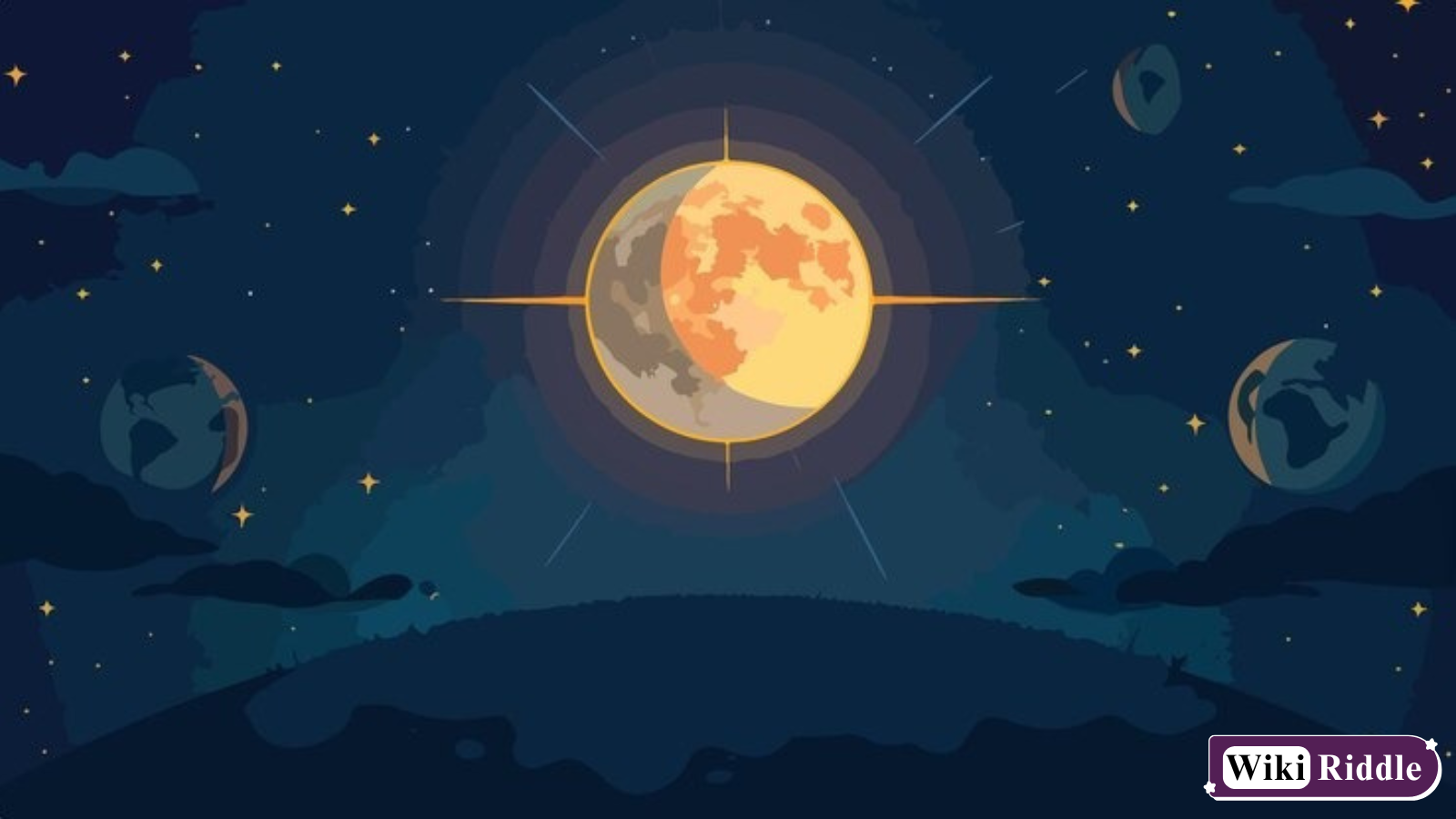
Eclipse riddles are a unique blend of science, curiosity, and storytelling. At first glance, they look like simple brain teasers. But once you start thinking about them, you realize they are deeply connected to how the universe actually works.
The focus keyword Eclipse Riddles represents more than just puzzle content. It reflects a way of learning astronomy through questions instead of memorization. When people try to solve these riddles, they are also learning how the sun, moon, and Earth interact in space..
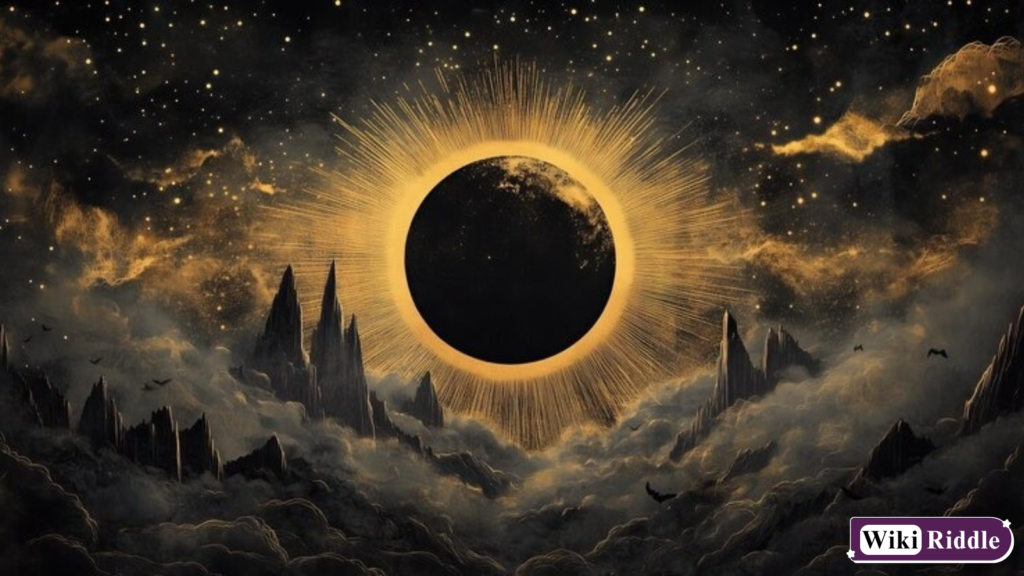
250+ “Eclipse Riddles” with Answers
Solar Eclipse Mysteries
- Riddle: I happen when the Moon stands between Earth and the Sun, but I only last a few minutes. What am I?
Answer: A solar eclipse - Riddle: I disappear even in daytime when something blocks the Sun completely. What am I?
Answer: The Sun during a total solar eclipse - Riddle: I am the dark circle that moves across Earth during a solar eclipse. What am I?
Answer: The Moon’s shadow - Riddle: I turn day into twilight in a narrow path on Earth. What am I?
Answer: A total solar eclipse - Riddle: I am seen as a glowing ring when the Moon is too small to cover the Sun. What am I?
Answer: An annular eclipse - Riddle: I am the brief moment when the Sun is completely hidden. What am I?
Answer: Totality - Riddle: I slowly cover the Sun like a sliding curtain. What am I?
Answer: The Moon during eclipse movement - Riddle: I am the path where people can see a total eclipse. What am I?
Answer: The path of totality - Riddle: I make animals behave as if night has come in the middle of the day. What am I?
Answer: A solar eclipse - Riddle: I appear as shadow bands or strange light patterns before total darkness. What am I?
Answer: Eclipse shadow bands
Lunar Eclipse Enigmas
- Riddle: I happen when Earth comes between the Sun and the Moon. What am I?
Answer: A lunar eclipse - Riddle: I make the Moon look red in the night sky. What am I?
Answer: A blood moon - Riddle: I am Earth’s shadow cast onto the Moon. What am I?
Answer: Earth’s umbra - Riddle: I can be seen from anywhere on Earth’s night side. What am I?
Answer: A lunar eclipse - Riddle: I fade the Moon slowly instead of covering it instantly. What am I?
Answer: Penumbral eclipse effect - Riddle: I happen only during a full moon. What am I?
Answer: A lunar eclipse condition - Riddle: I give the Moon a coppery glow instead of darkness. What am I?
Answer: Atmospheric scattering - Riddle: I am the darkest part of Earth’s shadow. What am I?
Answer: Umbra - Riddle: I am the lighter outer shadow during an eclipse. What am I?
Answer: Penumbra - Riddle: I turn the Moon eerie and silent for a short time. What am I?
Answer: A total lunar eclipse
Shadow and Light Riddles
- Riddle: I exist only when light is blocked. What am I?
Answer: A shadow - Riddle: I change shape but am always caused by light. What am I?
Answer: A shadow - Riddle: I travel faster than anything but carry no mass. What am I?
Answer: Light - Riddle: I disappear when darkness takes over completely. What am I?
Answer: A shadow - Riddle: I bend and scatter to paint the sky during eclipses. What am I?
Answer: Light rays - Riddle: I am needed for everything to be seen. What am I?
Answer: Light - Riddle: I grow longer as the Sun lowers in the sky. What am I?
Answer: A shadow - Riddle: I split into umbra and penumbra during eclipses. What am I?
Answer: Shadow regions - Riddle: I create contrast so objects can be seen. What am I?
Answer: Light and shadow interplay - Riddle: I vanish when there is no source shining on objects. What am I?
Answer: A shadow
Sun vs. Moon Brain Teasers
- Riddle: I give light but never receive it. What am I?
Answer: The Sun - Riddle: I reflect light but do not produce it. What am I?
Answer: The Moon - Riddle: I am huge but look small from Earth. What am I?
Answer: The Sun - Riddle: I change my face every night. What am I?
Answer: The Moon phases - Riddle: I can be blocked during an eclipse. What am I?
Answer: The Sun - Riddle: I can block the Sun for a moment. What am I?
Answer: The Moon - Riddle: I control day and night cycles. What am I?
Answer: The Sun - Riddle: I control tides on Earth. What am I?
Answer: The Moon - Riddle: I shine due to nuclear fusion. What am I?
Answer: The Sun - Riddle: I shine due to reflected sunlight. What am I?
Answer: The Moon
Celestial Alignment Puzzles
- Riddle: I occur when three bodies line up in space. What am I?
Answer: An alignment - Riddle: I am needed for any eclipse to happen. What am I?
Answer: Celestial alignment - Riddle: I form a straight line of Sun, Earth, and Moon. What am I?
Answer: Eclipse alignment - Riddle: I depend on orbits meeting at the right moment. What am I?
Answer: Orbital positioning - Riddle: I can be partial or perfect in space geometry. What am I?
Answer: Alignment precision - Riddle: I decide whether an eclipse is visible. What am I?
Answer: Orbital positioning - Riddle: I happen only when paths cross in space. What am I?
Answer: Orbital intersection - Riddle: I control when shadows fall on planets. What am I?
Answer: Celestial alignment - Riddle: I repeat in cycles but not always the same way. What am I?
Answer: Eclipse cycles - Riddle: I depend on distance and angle together. What am I?
Answer: Celestial geometry
Cosmic Shadow Logic Riddles
- Riddle: I form when one object blocks another in space. What am I?
Answer: A cosmic shadow - Riddle: I explain why eclipses are not always total. What am I?
Answer: Shadow geometry - Riddle: I depend on light traveling in straight lines. What am I?
Answer: Shadow formation principle - Riddle: I have three parts: umbra, penumbra, and antumbra. What am I?
Answer: Shadow structure - Riddle: I determine how dark an eclipse appears. What am I?
Answer: Shadow intensity - Riddle: I change depending on distance between objects. What am I?
Answer: Shadow size variation - Riddle: I help explain partial eclipses. What am I?
Answer: Penumbral logic - Riddle: I help explain total darkness in eclipses. What am I?
Answer: Umbra logic - Riddle: I spread wider when objects move apart. What am I?
Answer: Shadow dispersion - Riddle: I shrink when alignment is perfect. What am I?
Answer: Precise umbral shadow
Astronomy Observation Challenges
- Riddle: I require special glasses to safely view the Sun. What am I?
Answer: Solar observation - Riddle: I only happen a few times a year in specific places. What am I?
Answer: Eclipse visibility - Riddle: I help scientists study the Sun’s corona. What am I?
Answer: Solar eclipse observation - Riddle: I require clear skies and perfect timing. What am I?
Answer: Astronomical viewing condition - Riddle: I can be missed if clouds cover the sky. What am I?
Answer: Eclipse observation challenge - Riddle: I is measured using telescopes and filters. What am I?
Answer: Astronomical monitoring - Riddle: I reveal hidden parts of the Sun’s atmosphere. What am I?
Answer: Corona visibility - Riddle: I change depending on your location on Earth. What am I?
Answer: Eclipse visibility zone - Riddle: I is a rare chance for scientific study. What am I?
Answer: Total eclipse event - Riddle: I need precise calculations to predict. What am I?
Answer: Eclipse forecasting
Time-and-Shadow Trick Riddles
- Riddle: I make day feel like night for a short time. What am I?
Answer: A solar eclipse - Riddle: I trick ancient people into thinking the Sun disappeared forever. What am I?
Answer: Eclipse phenomenon - Riddle: I move quickly across Earth’s surface. What am I?
Answer: Moon’s shadow path - Riddle: I change how time feels during totality. What am I?
Answer: Eclipse perception - Riddle: I arrive suddenly and leave just as fast. What am I?
Answer: Total eclipse phase - Riddle: I make clocks seem irrelevant for a few minutes. What am I?
Answer: Eclipse experience - Riddle: I depend on orbital timing down to seconds. What am I?
Answer: Eclipse timing - Riddle: I repeat in cycles over years. What am I?
Answer: Eclipse cycle - Riddle: I can only be seen in a narrow path. What am I?
Answer: Path of totality - Riddle: I shift shadows faster than human perception. What am I?
Answer: Eclipse shadow movement
Orbit and Motion Mysteries
- Riddle: I keep the Moon circling Earth. What am I?
Answer: Gravity - Riddle: I keep Earth circling the Sun. What am I?
Answer: Gravity - Riddle: I control the timing of eclipses. What am I?
Answer: Orbital motion - Riddle: I make celestial bodies move in predictable paths. What am I?
Answer: Orbital mechanics - Riddle: I am why eclipses do not happen every month. What am I?
Answer: Orbital tilt - Riddle: I determine how fast shadows move on Earth. What am I?
Answer: Orbital speed - Riddle: I define the Moon’s path around Earth. What am I?
Answer: Lunar orbit - Riddle: I control alignment chances in space. What am I?
Answer: Orbital inclination - Riddle: I create repeating eclipse patterns over time. What am I?
Answer: Orbital cycles - Riddle: I explain why objects stay in motion in space. What am I?
Answer: Inertia
Space Geometry Puzzles
- Riddle: I explain shapes formed by shadows in space. What am I?
Answer: Space geometry - Riddle: I define the cone of darkness during eclipses. What am I?
Answer: Umbra cone - Riddle: I explain why eclipses have narrow paths. What am I?
Answer: Geometric alignment - Riddle: I describe angles between Sun, Moon, and Earth. What am I?
Answer: Celestial angles - Riddle: I determine eclipse type based on distance. What am I?
Answer: Orbital geometry - Riddle: I show why the Moon sometimes cannot fully cover the Sun. What am I?
Answer: Apparent size difference - Riddle: I explain circular shapes seen in annular eclipses. What am I?
Answer: Ring geometry - Riddle: I define shadow boundaries in space. What am I?
Answer: Penumbra edges - Riddle: I help calculate eclipse paths on Earth. What am I?
Answer: Projection geometry - Riddle: I connect distance and shadow size. What am I?
Answer: Geometric scaling
Daylight Disappearance Riddles
- Riddle: I make the Sun vanish during the day. What am I?
Answer: Solar eclipse - Riddle: I turn noon into twilight. What am I?
Answer: Total eclipse effect - Riddle: I cause sudden darkness in bright skies. What am I?
Answer: Moon’s shadow - Riddle: I last only minutes but feel dramatic. What am I?
Answer: Totality - Riddle: I trick humans into thinking night has come early. What am I?
Answer: Eclipse illusion - Riddle: I reduce sunlight without stopping it completely. What am I?
Answer: Partial eclipse - Riddle: I make shadows sharper and cooler. What am I?
Answer: Eclipse lighting change - Riddle: I change sky colors temporarily. What am I?
Answer: Atmospheric scattering - Riddle: I create silence in nature during daytime. What am I?
Answer: Eclipse effect on animals - Riddle: I return light after a brief cosmic pause. What am I?
Answer: End of eclipse
Night Sky Illusion Riddles
- Riddle: I make the Moon appear blood red. What am I?
Answer: Lunar eclipse - Riddle: I make stars seem to vanish during alignment. What am I?
Answer: Eclipse brightness effect - Riddle: I create strange light patterns in the sky. What am I?
Answer: Atmospheric distortion - Riddle: I make the Sun look smaller than it is. What am I?
Answer: Perspective illusion - Riddle: I bend light in Earth’s atmosphere. What am I?
Answer: Refraction - Riddle: I cause shimmering edges during eclipses. What am I?
Answer: Atmospheric turbulence - Riddle: I make the sky look darker than expected. What am I?
Answer: Light blockage - Riddle: I change color perception during celestial events. What am I?
Answer: Light scattering - Riddle: I make objects appear to shift position in space. What am I?
Answer: Optical illusion - Riddle: I create mystery in night observations. What am I?
Answer: Sky illusion effects
Ancient Eclipse Legends Riddles
- Riddle: I was once feared as a sign of doom. What am I?
Answer: Solar eclipse - Riddle: I was believed to be a monster eating the Sun. What am I?
Answer: Eclipse myth - Riddle: I made ancient kings perform rituals. What am I?
Answer: Eclipse superstition - Riddle: I was thought to be dragons swallowing light. What am I?
Answer: Mythical eclipse explanation - Riddle: I confused early astronomers for centuries. What am I?
Answer: Eclipse unpredictability - Riddle: I was seen as a warning from the gods. What am I?
Answer: Eclipse omen belief - Riddle: I inspired ancient calendars and predictions. What am I?
Answer: Eclipse cycle study - Riddle: I was recorded in old stone carvings. What am I?
Answer: Historical eclipse record - Riddle: I influenced myths across many cultures. What am I?
Answer: Cultural eclipse legends - Riddle: I turned science into storytelling in ancient times. What am I?
Answer: Mythological astronomy
Mythology of Sun and Moon
- Riddle: I am the god often linked with the Sun in myths. What am I?
Answer: Sun deity - Riddle: I am often portrayed as chasing the Moon. What am I?
Answer: Sun and Moon myth story - Riddle: I represent night and reflection in legends. What am I?
Answer: Moon deity symbolism - Riddle: I am the story of lovers separated in the sky. What am I?
Answer: Sun and Moon mythology - Riddle: I explain eclipses as battles between gods. What am I?
Answer: Mythological eclipse explanation - Riddle: I travel across the sky in a golden chariot. What am I?
Answer: Sun god myth - Riddle: I change my shape like a divine cycle. What am I?
Answer: Moon goddess phases - Riddle: I represent balance between light and darkness. What am I?
Answer: Sun and Moon duality - Riddle: I appear in myths as a protector of time. What am I?
Answer: Lunar deity symbolism - Riddle: I explain celestial events through stories instead of science. What am I?
Answer: Mythology tradition
Star and Planet Alignment Riddles
- Riddle: I happen when stars and planets line up in a straight path in space. What am I?
Answer: A celestial alignment - Riddle: I am required for eclipses to take place at all. What am I?
Answer: Orbital alignment - Riddle: I connect distant worlds through invisible geometric order. What am I?
Answer: Planetary alignment - Riddle: I decide whether the Sun, Moon, and Earth meet in a line. What am I?
Answer: Eclipse alignment condition - Riddle: I repeat in cycles but never exactly the same way twice. What am I?
Answer: Alignment cycle - Riddle: I depend on timing, distance, and angle together. What am I?
Answer: Space alignment geometry - Riddle: I can create shadows that stretch across planets. What am I?
Answer: Celestial shadow alignment - Riddle: I am rare because perfect positioning is difficult. What am I?
Answer: Perfect planetary alignment - Riddle: I influence whether an eclipse is total or partial. What am I?
Answer: Alignment precision - Riddle: I connect motion in space into a straight visual path. What am I?
Answer: Linear celestial alignment
Eclipse Prediction Logic Puzzles
- Riddle: I help scientists know when an eclipse will happen. What am I?
Answer: Eclipse prediction model - Riddle: I depend on repeating cycles of the Moon and Earth. What am I?
Answer: Saros cycle logic - Riddle: I use math to forecast shadow paths on Earth. What am I?
Answer: Eclipse path calculation - Riddle: I explain why eclipses are not monthly events. What am I?
Answer: Orbital tilt logic - Riddle: I require exact timing down to seconds. What am I?
Answer: Eclipse timing prediction - Riddle: I combine angles, distance, and motion in formulas. What am I?
Answer: Astronomical computation - Riddle: I predict whether an eclipse is visible in your location. What am I?
Answer: Visibility prediction system - Riddle: I help determine total, partial, or annular outcomes. What am I?
Answer: Eclipse classification logic - Riddle: I repeat after long periods but not perfectly. What am I?
Answer: Eclipse cycle pattern - Riddle: I turn orbital motion into future predictions. What am I?
Answer: Celestial forecasting
Physics of Light Blockage Riddles
- Riddle: I explain why shadows form when light is blocked. What am I?
Answer: Light obstruction principle - Riddle: I travel in straight lines unless something blocks me. What am I?
Answer: Light ray behavior - Riddle: I create darkness during eclipses. What am I?
Answer: Light blockage effect - Riddle: I bend and scatter in Earth’s atmosphere. What am I?
Answer: Light scattering - Riddle: I form umbra and penumbra regions. What am I?
Answer: Shadow formation physics - Riddle: I determine brightness during partial eclipses. What am I?
Answer: Light intensity reduction - Riddle: I explain why corona becomes visible. What am I?
Answer: Solar light shielding - Riddle: I depend on object size and distance. What am I?
Answer: Optical shadow physics - Riddle: I create contrast between light and darkness. What am I?
Answer: Illumination difference - Riddle: I disappear when no object blocks my path. What am I?
Answer: Unobstructed light travel
Space Perspective Brain Teasers
- Riddle: I look small from Earth but am actually enormous. What am I?
Answer: The Sun - Riddle: I appear different depending on where you stand on Earth. What am I?
Answer: Eclipse perspective - Riddle: I make the same eclipse look different from different cities. What am I?
Answer: Viewing angle difference - Riddle: I change size based on distance, not reality. What am I?
Answer: Apparent size illusion - Riddle: I determine whether you see total darkness or not. What am I?
Answer: Observation position - Riddle: I shift shadows across the Earth’s surface. What am I?
Answer: Moving shadow perspective - Riddle: I make celestial events look unique from each location. What am I?
Answer: Geographical viewpoint effect - Riddle: I create the illusion of moving skies. What am I?
Answer: Relative motion perception - Riddle: I change how long an eclipse appears to last. What am I?
Answer: Duration perspective - Riddle: I connect human sight with cosmic scale. What am I?
Answer: Astronomical perspective
Hidden Sun Riddles
- Riddle: I disappear behind the Moon during daytime. What am I?
Answer: The Sun in a solar eclipse - Riddle: I am always there but sometimes cannot be seen. What am I?
Answer: Hidden Sun - Riddle: I reveal the corona only when fully covered. What am I?
Answer: Total solar eclipse Sun - Riddle: I shine even when blocked, but only my edges show. What am I?
Answer: Solar corona - Riddle: I cause sudden darkness when I vanish briefly. What am I?
Answer: Sun obstruction - Riddle: I am too bright to look at without protection. What am I?
Answer: The Sun - Riddle: I return after a brief cosmic pause. What am I?
Answer: Reappearing Sun - Riddle: I am hidden but still influencing Earth’s light. What am I?
Answer: Partially blocked Sun - Riddle: I create fear and wonder when I disappear. What am I?
Answer: Eclipse Sun myth - Riddle: I am never gone, only covered. What am I?
Answer: The Sun
Moon’s Shadow Path Puzzles
- Riddle: I travel across Earth during a solar eclipse. What am I?
Answer: Moon’s shadow path - Riddle: I am narrow and move quickly over land. What am I?
Answer: Path of totality - Riddle: I decide where total darkness can be seen. What am I?
Answer: Umbra path - Riddle: I sweep across continents in minutes. What am I?
Answer: Eclipse shadow movement - Riddle: I leave partial darkness outside my center. What am I?
Answer: Penumbral zone - Riddle: I depend on Moon’s orbit and Earth’s rotation. What am I?
Answer: Shadow trajectory - Riddle: I mark where scientists travel to observe eclipses. What am I?
Answer: Eclipse viewing path - Riddle: I change direction depending on orbital geometry. What am I?
Answer: Shadow direction path - Riddle: I am invisible until I touch Earth’s surface. What am I?
Answer: Lunar shadow cone - Riddle: I determine who sees totality and who does not. What am I?
Answer: Eclipse visibility path
Rare Cosmic Events Riddles
- Riddle: I do not happen often and require perfect alignment. What am I?
Answer: Total solar eclipse - Riddle: I turn the Moon red in rare conditions. What am I?
Answer: Blood moon eclipse - Riddle: I create a glowing ring of fire in the sky. What am I?
Answer: Annular eclipse - Riddle: I depend on rare orbital timing cycles. What am I?
Answer: Eclipse cycle event - Riddle: I may only happen once in many years in one place. What am I?
Answer: Rare eclipse event - Riddle: I combine shadow, light, and alignment perfectly. What am I?
Answer: Perfect cosmic alignment - Riddle: I last only a few minutes but are unforgettable. What am I?
Answer: Total eclipse moment - Riddle: I require both distance and angle precision. What am I?
Answer: Rare orbital geometry - Riddle: I surprise people with sudden darkness in daytime. What am I?
Answer: Unexpected eclipse experience - Riddle: I are studied when they occur because they are so rare. What am I?
Answer: Scientific eclipse event
Telescope Observation Challenges
- Riddle: I help you see eclipses safely from afar. What am I?
Answer: Telescope - Riddle: I magnify the Sun’s corona during totality. What am I?
Answer: Solar telescope view - Riddle: I require filters to protect human eyes. What am I?
Answer: Solar filter - Riddle: I depend on clear skies for best results. What am I?
Answer: Observation condition - Riddle: I capture rare celestial moments in detail. What am I?
Answer: Astronomical imaging - Riddle: I track motion across the sky precisely. What am I?
Answer: Telescope tracking - Riddle: I can be ruined by clouds or dust. What am I?
Answer: Observation interference - Riddle: I allow scientists to study eclipse phases. What am I?
Answer: Scientific observation tool - Riddle: I record light changes during eclipses. What am I?
Answer: Light measurement system - Riddle: I turn distant cosmic events into visible detail. What am I?
Answer: Optical telescope
Seasonal Eclipse Patterns
- Riddle: I happen in predictable cycles over time. What am I?
Answer: Eclipse season - Riddle: I occur when the Moon crosses Earth’s orbital plane. What am I?
Answer: Node alignment period - Riddle: I repeat roughly every six months. What am I?
Answer: Eclipse season cycle - Riddle: I determine when eclipses can occur at all. What am I?
Answer: Orbital node timing - Riddle: I group eclipses into clusters. What am I?
Answer: Eclipse grouping pattern - Riddle: I depend on Sun, Earth, and Moon geometry. What am I?
Answer: Seasonal alignment - Riddle: I explain why eclipses are not evenly spaced. What am I?
Answer: Orbital mechanics pattern - Riddle: I last for a limited period each cycle. What am I?
Answer: Eclipse window - Riddle: I control when the sky allows eclipses. What am I?
Answer: Astronomical season timing - Riddle: I repeat like a cosmic schedule. What am I?
Answer: Celestial cycle
Atmospheric Darkness Riddles
- Riddle: I darken the sky even before total eclipse arrives. What am I?
Answer: Atmospheric dimming - Riddle: I scatter sunlight into colors during eclipses. What am I?
Answer: Rayleigh scattering - Riddle: I make the horizon glow during totality. What am I?
Answer: Twilight effect - Riddle: I reduce brightness even without full blockage. What am I?
Answer: Partial atmospheric shadowing - Riddle: I change sky color suddenly during eclipses. What am I?
Answer: Light refraction effect - Riddle: I make daytime feel cold and dim. What am I?
Answer: Eclipse cooling effect - Riddle: I shift colors from blue to orange or red. What am I?
Answer: Atmospheric scattering - Riddle: I appear strongest during totality. What am I?
Answer: Eclipse darkness peak - Riddle: I fade as the Sun returns. What am I?
Answer: Light restoration - Riddle: I transform the sky into an unnatural twilight. What am I?
Answer: Eclipse atmosphere effect
“What Am I?” Eclipse-Themed Riddles
- Riddle: I hide the Sun but am smaller than it. What am I?
Answer: The Moon - Riddle: I bring darkness in daylight for a few minutes. What am I?
Answer: Solar eclipse - Riddle: I glow red when Earth blocks sunlight. What am I?
Answer: The Moon during lunar eclipse - Riddle: I am the shadow that creates eclipses. What am I?
Answer: Umbra - Riddle: I am needed for light and life on Earth. What am I?
Answer: The Sun - Riddle: I happen when three bodies align in space. What am I?
Answer: An eclipse - Riddle: I show the Sun’s outer atmosphere. What am I?
Answer: Solar corona - Riddle: I mark where total darkness is visible. What am I?
Answer: Path of totality - Riddle: I reflect light but do not produce it. What am I?
Answer: The Moon - Riddle: I repeat in cycles but always feel magical. What am I?
Answer: Eclipse phenomenon
Why Eclipse Riddles Still Capture Human Curiosity
Even in a world filled with technology and instant information, eclipses still feel special. When the sky suddenly changes, people notice. It interrupts normal life for a moment.
Eclipse riddles capture that feeling. They take something rare and turn it into a question. That question makes your mind slow down and focus.
You are not just reading words. You are trying to understand something happening millions of kilometers away.
How Eclipse Riddles Connect Science and Imagination
Science explains what happens during an eclipse. Imagination helps us understand it in a human way.
Eclipse riddles sit right between these two. They use imagination to describe real science. For example, instead of saying the moon blocks sunlight, a riddle might ask why the day suddenly turns into night for a short time.
That simple shift turns information into curiosity.
What You Need to Know About Eclipses First
To understand Eclipse Riddles properly, you need a basic understanding of eclipses. Without that, the riddles can feel confusing.
- Solar Eclipse Explained in Simple Terms
A solar eclipse happens when the moon moves directly between Earth and the sun. It blocks sunlight from reaching certain parts of Earth.
From the ground, it looks like the sun is being covered or hidden. But nothing disappears. It is all about alignment and shadow.
This idea of something being present but hidden is often used in eclipse riddles.
- Lunar Eclipse Explained in Simple Terms
A lunar eclipse happens when Earth moves between the sun and the moon. Earth casts a shadow on the moon, making it look dark or red.
This is why the moon sometimes looks strange in the night sky.
In eclipse riddles, this idea becomes a symbol of change, shadow, or transformation.
- Why Alignment Matters in Every Eclipse
Everything in an eclipse depends on alignment. The sun, Earth, and moon must be in a straight or nearly straight line.
If the alignment is slightly off, there is no eclipse.
This simple fact is often hidden inside eclipse riddles as a clue about positioning or timing.
The Historical Roots of Eclipse Riddles
Eclipse riddles did not start as educational tools. They evolved from human curiosity and early attempts to explain the sky.
- Ancient Beliefs About Eclipses
Before science explained eclipses, people created stories. Some believed a creature was swallowing the sun. Others thought the gods were sending messages.
These explanations were not scientific, but they were meaningful. They helped people make sense of something frightening and unusual.
- How Myths Turned Into Riddles
Over time, storytelling became more structured. Instead of only telling myths, people started turning them into questions.
Those questions slowly became eclipse riddles. Instead of saying what causes an eclipse, they would ask why the sun disappears during the day.
This shift from storytelling to questioning is important. It shows how human thinking evolved from belief to curiosity.
- Cultural Interpretations Across Civilizations
Different civilizations saw eclipses differently. Some cultures viewed them as battles in the sky. Others saw them as cycles of balance between light and darkness.
These ideas influenced how riddles were formed. Even today, many Eclipse Riddles carry traces of these old interpretations.
Different Types of Eclipse Riddles
Eclipse riddles come in several forms. Each one challenges a different way of thinking.
- Logic Based Eclipse Riddles
These riddles focus on reasoning. You are given clues and asked to figure out what is happening.
They often describe movement, timing, or hidden objects. The solution usually requires step by step thinking.
- Science Based Eclipse Riddles
These are directly connected to astronomy. They may ask about orbits, shadows, or light behavior.
For example, a riddle might describe how long it takes for a lunar eclipse to occur and ask why that timing matters.
- Wordplay Eclipse Riddles
These use language in a creative way. The meaning is not always direct.
A sentence may sound mysterious, but the answer is simple once you understand the scientific idea behind it.
- Visual Thinking Eclipse Riddles
These rely on imagination. You picture the sun, moon, and Earth moving in space.
Even without diagrams, you need to mentally visualize how everything aligns.
How Eclipse Riddles Work as Brain Puzzles
Eclipse riddles are effective because they do not give direct answers. They guide your thinking instead.
- Hidden Clues in Simple Language
Most eclipse riddles are written in plain language. But inside those simple sentences are hidden hints.
Words like shadow, light, disappear, or circle often point to astronomical ideas.
- Role of Observation and Reasoning
To solve Eclipse Riddles, you need to observe carefully. Every word matters.
Then you use reasoning to connect the clues. It is like solving a small mystery using logic instead of guesswork.
- Thinking in Space and Motion
One of the hardest parts is imagining motion in space. The Earth rotates, the moon orbits, and the sun stays relatively fixed from our perspective.
Eclipse riddles train your mind to think in movement, not still images.
Popular Eclipse Riddles and Their Meaning
- The Disappearing Sun Puzzle
This riddle asks why the sun disappears during the day. The answer is a solar eclipse.
The sun is not gone. It is simply blocked by the moon.
- The Red Moon Mystery
This riddle focuses on why the moon turns red during a lunar eclipse.
The answer is Earth’s atmosphere bending sunlight, allowing red light to reach the moon.
- The Shadow That Moves Without Sound
This riddle highlights how eclipse shadows move silently across Earth.
It is a reminder that not all powerful events are loud or dramatic.
Step by Step Guide to Solving Eclipse Riddles
- Identify the Astronomical Hint
Start by looking for keywords related to space. Sun, moon, Earth, light, and shadow are strong indicators.
- Separate Fact From Metaphor
Many riddles use poetic language. Your job is to translate that into real science.
- Visualize the Celestial Positions
Imagine the positions of the sun, moon, and Earth. Once you see the alignment, the answer becomes easier.
Educational Importance of Eclipse Riddles
- Learning Astronomy in a Simple Way
Eclipse riddles make complex astronomy easier to understand. They turn abstract ideas into simple questions.
- Building Logical Thinking Skills
They help develop structured thinking. You learn to break down problems into smaller parts.
- Encouraging Curiosity in Students
Students often learn better when they are curious. Eclipse riddles naturally create that curiosity.
Eclipse Riddles for Beginners
- Easy Riddles for Kids
Simple Eclipse Riddles for kids often describe basic ideas like hiding light or changing shadows.
For example, I hide the sun but I am not a cloud. The answer is the moon.
- Classroom Friendly Activities
Teachers often use lamps and balls to demonstrate eclipses. Then they turn those demonstrations into riddles to reinforce learning.
Advanced Eclipse Riddles for Deep Thinkers
- Complex Logical Challenges
Advanced riddles may involve timing, orbital speed, or multiple conditions.
They require careful thinking and patience.
- Astronomy Based Problem Solving
These riddles connect directly to real space science. They may involve predicting eclipse cycles or understanding orbital patterns.
Eclipse Riddles in Modern Culture
- Online Puzzle Trends
Eclipse riddles are popular in online communities. People enjoy creating and sharing new versions of them.
- References in Books and Films
Eclipses often appear in storytelling as moments of change or mystery. Riddles inspired by these scenes add depth to fiction.
How to Create Your Own Eclipse Riddles
- Choosing a Scientific Concept
Start with something simple like shadow, orbit, or alignment.
- Turning Facts Into Mystery
Convert that fact into a question. Do not explain it directly. Instead, describe it in a mysterious way.
- Testing Your Riddle
Share it with others. If they can solve it without explanation, your riddle works.
Psychology Behind Eclipse Riddles
- Why the Brain Loves Mystery
The human brain is naturally drawn to incomplete information. It wants to fill in the gaps.
- Satisfaction of Solving Patterns
When you solve Eclipse Riddles, your brain connects scattered clues. This creates a feeling of satisfaction and achievement.
Future of Eclipse Riddles
- Digital Learning Platforms
Eclipse riddles are now part of interactive learning apps. These platforms make them more engaging with visuals and simulations.
- Interactive Space Simulations
Future tools may allow users to physically move planets in virtual space to solve riddles in real time.
Conclusion
Eclipse riddles are a fun and creative way to explore the wonders of astronomy while challenging your thinking skills at the same time. From solar to lunar eclipses, these riddles not only entertain but also help you understand fascinating space phenomena in a playful manner. Whether you’re a student, a puzzle lover, or just someone who enjoys a good brain teaser, this collection is sure to keep you engaged and curious. If you enjoyed these, you’ll also love exploring more space-themed challenges like this collection of 200+ “Sun Riddles” with Answers – Solve The Impossible.
FAQs
Q. What are Eclipse Riddles in simple words?
They are puzzles based on real eclipse events that mix science with creative thinking.
Q. Why are Eclipse Riddles important for learning?
They help people understand astronomy in a fun and memorable way.
Q. Are Eclipse Riddles based on real science?
Yes, most of them are based on real concepts like orbits, shadows, and light behavior.
Q. Can beginners solve Eclipse Riddles easily?
Yes, many are designed for beginners with simple logic and clear clues.
Q. Where can I practice Eclipse Riddles?
You can find them in educational resources, puzzle books, and online learning platforms.