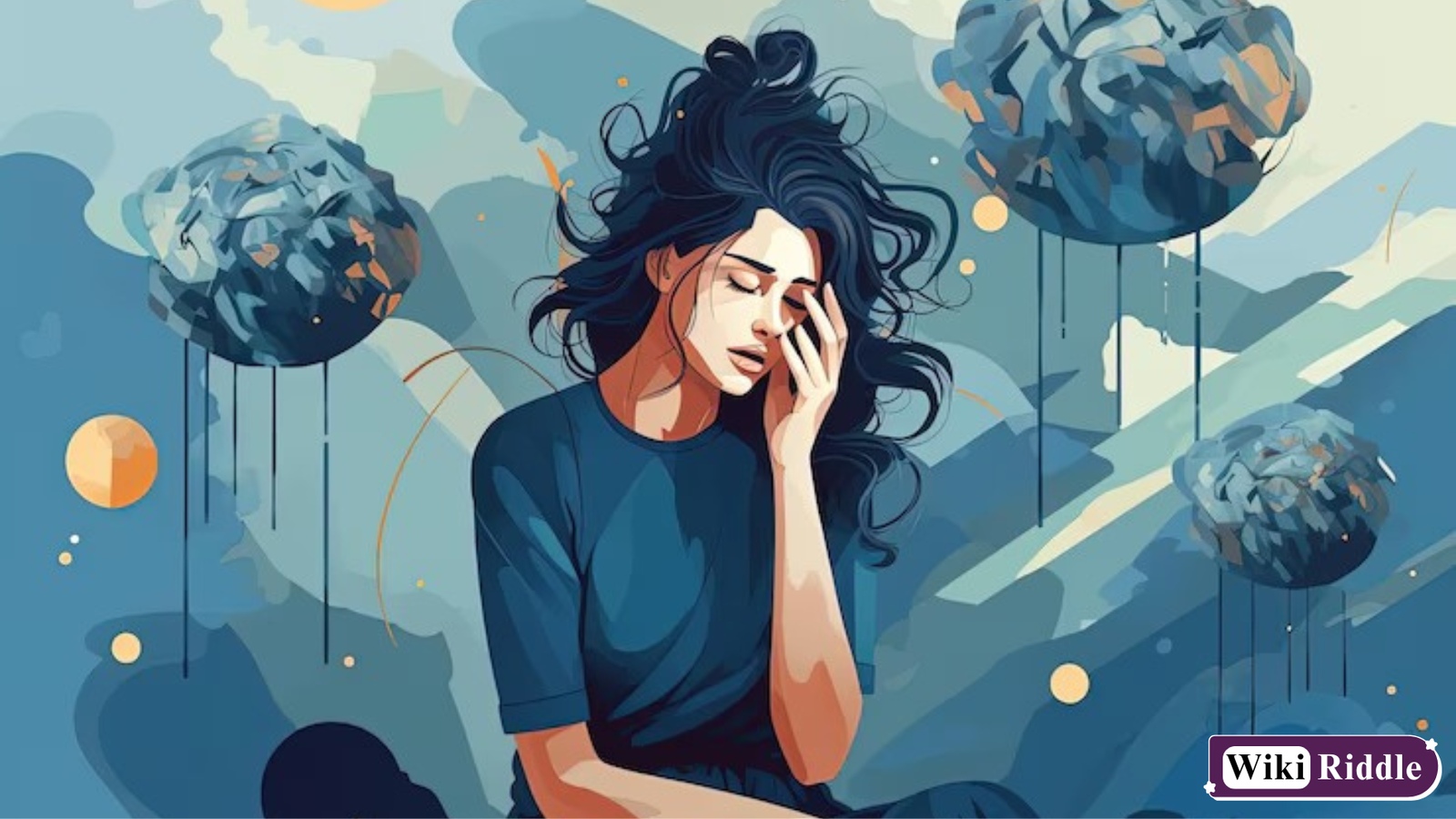
Have you ever tried solving a riddle and realized that it made you think differently about yourself or your emotions? That is the essence of mental health riddles. Unlike regular brain teasers that focus solely on logic, mental health riddles combine problem-solving with emotional awareness. They challenge your mind while also encouraging reflection on your feelings, behaviors, and decisions.
Mental health riddles are more than a pastime. They are exercises that stimulate your brain, strengthen emotional intelligence, and even improve your mood. In a world where stress and distractions are constant, these riddles offer a fun and practical way to train both your mind and your emotions.
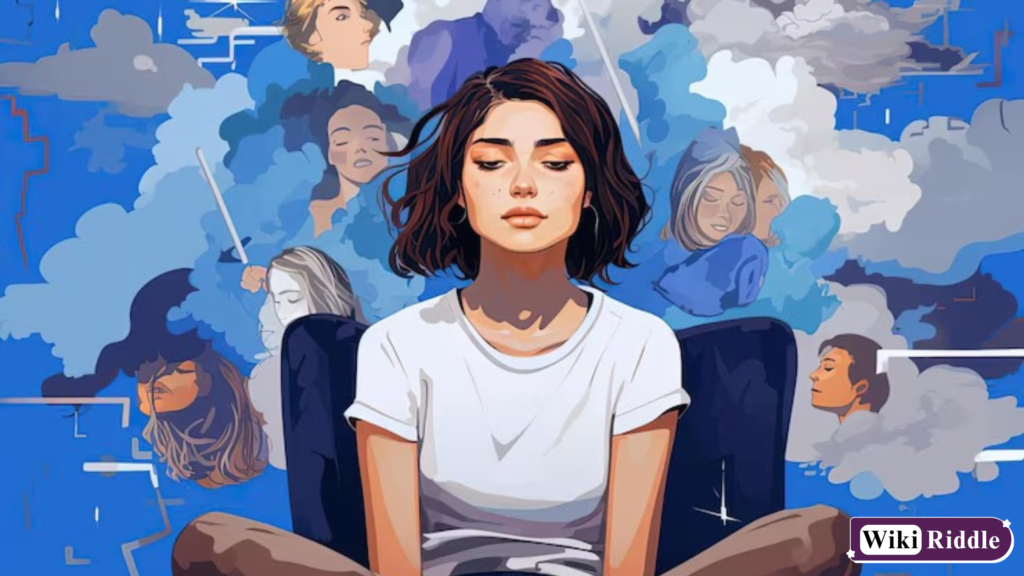
250+ “Mental Health Riddles” with Answers
Emotions in Disguise
- Riddle: I can rise without wings and fall without gravity. Sometimes I visit when you hear good news, other times in sadness. What am I?
Answer: Joy - Riddle: I sneak in silently, twist your thoughts, and make mountains out of molehills. What am I?
Answer: Anxiety - Riddle: I am warm yet fleeting, often given freely but can also hurt when misplaced. What am I?
Answer: Love - Riddle: I hide behind smiles, and even laughter can’t show my face. What am I?
Answer: Sadness - Riddle: I am small but fiery, often triggered by unfairness. What am I?
Answer: Anger - Riddle: I come and go like waves, sometimes unnoticed, sometimes overwhelming. What am I?
Answer: Mood - Riddle: I am silent, invisible, yet I can weigh heavier than a mountain. What am I?
Answer: Guilt - Riddle: I am fleeting, sometimes a relief, sometimes a distraction, and always colorful. What am I?
Answer: Happiness - Riddle: I can creep in when alone, or even in a crowd. What am I?
Answer: Loneliness - Riddle: I am a mix of fear and excitement, often felt before big changes. What am I?
Answer: Nervousness
Coping Mechanisms
- Riddle: I can quiet your mind, but you must focus on the present moment to find me. What am I?
Answer: Mindfulness - Riddle: I take you outside, soak in sunlight, and help your brain reset. What am I?
Answer: Walking in nature - Riddle: I let you release tension by moving your body rhythmically. What am I?
Answer: Exercise - Riddle: I am a pen and paper away from relief, letting thoughts escape safely. What am I?
Answer: Journaling - Riddle: I am shared between friends, lifting burdens through listening. What am I?
Answer: Talking - Riddle: I can calm racing thoughts, slow your breath, and bring peace within. What am I?
Answer: Deep breathing - Riddle: I am a creative outlet, turning emotions into colors, shapes, or words. What am I?
Answer: Art therapy - Riddle: I provide structure, small wins, and predictability during chaos. What am I?
Answer: Routine - Riddle: I am temporary, yet I help reset perspective when you rest with me. What am I?
Answer: Nap or sleep - Riddle: I allow you to laugh, even in hard times, and lighten the heaviest moments. What am I?
Answer: Humor
Mind vs. Brain
- Riddle: I think, I feel, I imagine-but I am not the physical organ. What am I?
Answer: Mind - Riddle: I am grey and wrinkly, controlling signals, but I cannot dream on my own. What am I?
Answer: Brain - Riddle: I can wander into the past or future, yet I live in the present. What am I?
Answer: Mind - Riddle: I process information in milliseconds, yet I cannot feel happiness. What am I?
Answer: Brain - Riddle: I can create thoughts, ideas, and stories, unseen but powerful. What am I?
Answer: Mind - Riddle: I store memories chemically, respond to stimuli, but need you to use me. What am I?
Answer: Brain - Riddle: I interpret meaning, plan, and imagine possibilities. What am I?
Answer: Mind - Riddle: I regulate heartbeat, reflexes, and balance, all automatically. What am I?
Answer: Brain - Riddle: I can struggle, doubt, or hope without a shape. What am I?
Answer: Mind - Riddle: I am the physical powerhouse behind thought, yet I do not decide what to think. What am I?
Answer: Brain
Stress Traps
- Riddle: I build up quietly, sometimes unnoticed, until I feel too heavy to bear. What am I?
Answer: Stress - Riddle: I am constant pressure, deadlines, and worry bundled into one. What am I?
Answer: Anxiety - Riddle: I am often created by perfectionism, chasing things that never feel enough. What am I?
Answer: Overthinking - Riddle: I show in tense muscles, headaches, and restless sleep. What am I?
Answer: Stress - Riddle: I creep in when you multitask too much or ignore self-care. What am I?
Answer: Burnout - Riddle: I can make your thoughts spiral or your body shake. What am I?
Answer: Panic - Riddle: I am invisible but show signs in teeth grinding and clenched fists. What am I?
Answer: Tension - Riddle: I often come before deadlines, exams, or big life events. What am I?
Answer: Anticipatory stress - Riddle: I can be mild or overwhelming, but coping strategies help me shrink. What am I?
Answer: Stress - Riddle: I am the warning signal your mind and body send to protect you. What am I?
Answer: Fight-or-flight response
Cognitive Patterns
- Riddle: I trick your mind to see only negatives, even when positives exist. What am I?
Answer: Negative thinking - Riddle: I repeat endlessly until awareness stops me. What am I?
Answer: Rumination - Riddle: I distort reality, making small problems huge. What am I?
Answer: Catastrophizing - Riddle: I am the habit of labeling yourself harshly after mistakes. What am I?
Answer: Self-criticism - Riddle: I create mental shortcuts, sometimes helpful, sometimes misleading. What am I?
Answer: Cognitive bias - Riddle: I can freeze your decisions, making choices feel impossible. What am I?
Answer: Overthinking - Riddle: I magnify flaws, ignore strengths, and twist perception. What am I?
Answer: Distorted thinking - Riddle: I make you expect rejection or failure even without evidence. What am I?
Answer: Negative expectation - Riddle: I can create patterns in randomness, making you see connections that aren’t real. What am I?
Answer: Illusion of patterns - Riddle: I repeat successively, shaping habits and beliefs over time. What am I?
Answer: Thought pattern
Sleep & Dreams
- Riddle: I vanish at dawn, but when I visit, I take you to another world. What am I?
Answer: Dream - Riddle: I am often delayed, stolen, or disturbed, yet essential for health. What am I?
Answer: Sleep - Riddle: I can make you groggy, yet I am a natural reset button. What am I?
Answer: Nap - Riddle: I come in cycles, some light, some deep, and one is REM. What am I?
Answer: Sleep stages - Riddle: I can hold your fears, desires, and secrets while you rest. What am I?
Answer: Dream - Riddle: I often sneak away when stress takes over. What am I?
Answer: Restful sleep - Riddle: I am lost easily in noisy minds, but found when routines are kind. What am I?
Answer: Sleep quality - Riddle: I am a sudden scare or movement, often waking you abruptly. What am I?
Answer: Nightmare or sleep start - Riddle: I can help consolidate memories, making learning stick. What am I?
Answer: Sleep - Riddle: I am both a pause and a journey, needed to face the next day. What am I?
Answer: Rest
Self-Care Mysteries
- Riddle: I am small daily acts that protect your mind, body, and soul. What am I?
Answer: Self-care - Riddle: I can be a warm bath, a favorite book, or a quiet moment. What am I?
Answer: Relaxation - Riddle: I help you set boundaries, say no, and reclaim energy. What am I?
Answer: Assertiveness - Riddle: I nourish your body and fuel your mind, often overlooked. What am I?
Answer: Healthy eating - Riddle: I allow you to express emotions safely, creatively, or verbally. What am I?
Answer: Emotional release - Riddle: I help you step outside and breathe fresh air, moving gently. What am I?
Answer: Walking or movement - Riddle: I am taking time to rest without guilt. What am I?
Answer: Rest or pause - Riddle: I am listening to your needs and responding kindly to yourself. What am I?
Answer: Self-compassion - Riddle: I am choosing what nourishes your soul over what drains it. What am I?
Answer: Healthy habits - Riddle: I can be therapy, journaling, or simply saying “I deserve this.” What am I?
Answer: Mental health care
Mood Swings
- Riddle: I can appear without warning, turning laughter into tears. What am I?
Answer: Mood swing - Riddle: I rise high and fall low, sometimes quickly, sometimes slowly. What am I?
Answer: Emotional fluctuation - Riddle: I am often misunderstood, labeled as overreaction. What am I?
Answer: Mood change - Riddle: I can be triggered by hormones, stress, or life events. What am I?
Answer: Mood swings - Riddle: I may make you feel unstoppable one moment, fragile the next. What am I?
Answer: Mood variation - Riddle: I am a wave, sometimes calm, sometimes stormy, felt internally. What am I?
Answer: Emotional tide - Riddle: I am invisible yet affect your energy, thoughts, and actions. What am I?
Answer: Mood - Riddle: I can confuse others and sometimes yourself. What am I?
Answer: Mood instability - Riddle: I am natural, human, and sometimes hard to control. What am I?
Answer: Mood shifts - Riddle: I am managed by awareness, support, and sometimes medication. What am I?
Answer: Mood regulation
Mental Health Myths
- Riddle: I am believed to be contagious, but in reality, I cannot spread like a cold. What am I?
Answer: Depression - Riddle: I am often thought to be a sign of weakness, yet seeking help shows strength. What am I?
Answer: Therapy - Riddle: I am considered rare, but millions experience me worldwide. What am I?
Answer: Anxiety disorder - Riddle: People think I am caused by laziness, but I have biological and environmental roots. What am I?
Answer: Mental illness - Riddle: I am often portrayed as permanent, but recovery is possible. What am I?
Answer: Mental health condition - Riddle: Many think I always show outward signs, but I can be hidden inside. What am I?
Answer: Depression or anxiety - Riddle: I am believed to be solved by willpower alone, yet professional help is often essential. What am I?
Answer: Mental illness - Riddle: People think I only affect adults, but I can start in childhood. What am I?
Answer: Mental health disorder - Riddle: I am assumed to be rare in men, but statistics show otherwise. What am I?
Answer: Depression - Riddle: I am sometimes considered shameful, but acknowledging me is the first step to healing. What am I?
Answer: Seeking help
Thought Labyrinths
- Riddle: I twist and turn inside your mind, making simple choices feel complex. What am I?
Answer: Overthinking - Riddle: I repeat in circles, never letting you rest until solved. What am I?
Answer: Rumination - Riddle: I am a maze of ideas, some helpful, some confusing. What am I?
Answer: Thought pattern - Riddle: I can hide solutions behind layers of doubts. What am I?
Answer: Mental block - Riddle: I make you replay past mistakes endlessly. What am I?
Answer: Obsessive thinking - Riddle: I twist reality, showing worst-case scenarios first. What am I?
Answer: Catastrophic thinking - Riddle: I can trap you in what-ifs, making decisions feel impossible. What am I?
Answer: Indecision - Riddle: I am a puzzle you can only solve by slowing down. What am I?
Answer: Reflection - Riddle: I am sometimes creative, sometimes confusing, shaping how you plan. What am I?
Answer: Mind map - Riddle: I am the labyrinth inside your head, waiting to be navigated. What am I?
Answer: Cognitive maze
Inner Dialogue
- Riddle: I speak without a mouth and listen without ears. What am I?
Answer: Inner voice - Riddle: I can encourage or criticize, shaping your confidence. What am I?
Answer: Self-talk - Riddle: I repeat phrases you often believe, for better or worse. What am I?
Answer: Internal narrative - Riddle: I can whisper doubts or cheer silently. What am I?
Answer: Conscience - Riddle: I am your own critic, sometimes harsh, sometimes fair. What am I?
Answer: Inner critic - Riddle: I replay conversations and imagine responses endlessly. What am I?
Answer: Mental rehearsal - Riddle: I can guide decisions quietly without anyone hearing. What am I?
Answer: Intuition - Riddle: I can remind you of your strengths when needed most. What am I?
Answer: Self-encouragement - Riddle: I live in your mind, shaping moods and choices every day. What am I?
Answer: Thought dialogue - Riddle: I am the voice you carry everywhere, sometimes friend, sometimes foe. What am I?
Answer: Inner monologue
Anxiety Adventures
- Riddle: I arrive unexpectedly, making your heart race and palms sweat. What am I?
Answer: Panic - Riddle: I make small problems feel like mountains. What am I?
Answer: Worry - Riddle: I whisper “what if” at every turn, keeping you alert. What am I?
Answer: Anxiety - Riddle: I sneak in before deadlines, meetings, or big changes. What am I?
Answer: Anticipatory anxiety - Riddle: I can keep your mind awake long after your body is tired. What am I?
Answer: Racing thoughts - Riddle: I make your stomach twist, even if nothing is wrong. What am I?
Answer: Nervousness - Riddle: I am invisible but felt in muscles, chest, and mind. What am I?
Answer: Tension - Riddle: I can be brief or last for hours, creating mental storms. What am I?
Answer: Anxiety episode - Riddle: I make small uncertainties feel like dangers. What am I?
Answer: Catastrophizing - Riddle: I arrive when overthinking and stress collide. What am I?
Answer: Overwhelm
Depression Clues
- Riddle: I can make bright days feel grey and heavy. What am I?
Answer: Depression - Riddle: I steal joy from hobbies, even those once loved. What am I?
Answer: Anhedonia - Riddle: I make mornings harder than nights, weighing you down. What am I?
Answer: Low mood - Riddle: I can make energy vanish, leaving only fatigue. What am I?
Answer: Lethargy - Riddle: I am silent but powerful, affecting thoughts and actions. What am I?
Answer: Emotional numbness - Riddle: I cloud concentration, making decisions exhausting. What am I?
Answer: Mental fog - Riddle: I make socializing seem impossible, even with friends. What am I?
Answer: Social withdrawal - Riddle: I can make guilt or worthlessness feel constant. What am I?
Answer: Negative self-perception - Riddle: I am sometimes hidden behind smiles and normal routines. What am I?
Answer: Masked depression - Riddle: I am treatable, yet many struggle silently with me. What am I?
Answer: Depression
Mindfulness Mazes
- Riddle: I help you notice the present without judgment. What am I?
Answer: Mindfulness - Riddle: I am awareness of breath, body, and surroundings. What am I?
Answer: Meditation - Riddle: I teach patience with thoughts and emotions. What am I?
Answer: Mindful practice - Riddle: I let worries pass without grabbing hold. What am I?
Answer: Observation - Riddle: I am the pause between stimulus and reaction. What am I?
Answer: Mindful awareness - Riddle: I turn routine moments into moments of focus. What am I?
Answer: Mindful living - Riddle: I am noticing sensations without labeling them good or bad. What am I?
Answer: Sensory awareness - Riddle: I calm the mind by returning attention to the present. What am I?
Answer: Centering - Riddle: I am the skill of letting thoughts float by like clouds. What am I?
Answer: Non-attachment - Riddle: I create space for clarity and reduce overwhelm. What am I?
Answer: Mindful breathing
Memory Games
- Riddle: I store your past, shaping who you are. What am I?
Answer: Memory - Riddle: I vanish sometimes, leaving you forgetting names or dates. What am I?
Answer: Forgetfulness - Riddle: I hold lessons from mistakes and victories alike. What am I?
Answer: Experience - Riddle: I can be triggered by smells, sounds, or sights. What am I?
Answer: Recall - Riddle: I sometimes trick you, mixing fact with imagination. What am I?
Answer: False memory - Riddle: I am strengthened by repetition and focus. What am I?
Answer: Learning - Riddle: I can fade with age but remain alive with practice. What am I?
Answer: Cognitive memory - Riddle: I store faces, places, and moments in your mind. What am I?
Answer: Episodic memory - Riddle: I am often tested by puzzles and games. What am I?
Answer: Working memory - Riddle: I can surprise you when a forgotten detail suddenly returns. What am I?
Answer: Memory flash
Neurodiverse Narratives
- Riddle: I am a unique way of thinking, seeing patterns others may not. What am I?
Answer: Neurodiversity - Riddle: I can make social norms tricky, but creativity easy. What am I?
Answer: Autism spectrum - Riddle: I involve attention challenges but often come with hyperfocus. What am I?
Answer: ADHD - Riddle: I am differences in processing information, not deficits. What am I?
Answer: Cognitive diversity - Riddle: I can lead to struggles in some areas but gifts in others. What am I?
Answer: Unique brain wiring - Riddle: I make sensory input feel intense or muted. What am I?
Answer: Sensory processing difference - Riddle: I show that brains are wired in many valid ways. What am I?
Answer: Neurodivergence - Riddle: I challenge assumptions about “normal” thinking. What am I?
Answer: Alternative cognition - Riddle: I thrive when supported and understood. What am I?
Answer: Strength in neurodiversity - Riddle: I remind the world that differences are valuable. What am I?
Answer: Neurodiverse perspective
Behavioral Hints
- Riddle: I reveal habits that shape thoughts, moods, and life. What am I?
Answer: Behavior - Riddle: I am repeated actions that can help or harm. What am I?
Answer: Habit - Riddle: I am cues that trigger automatic responses. What am I?
Answer: Behavioral triggers - Riddle: I can be learned, unlearned, or replaced. What am I?
Answer: Pattern - Riddle: I sometimes reflect coping strategies, healthy or unhealthy. What am I?
Answer: Behavior - Riddle: I can signal stress, joy, or anxiety silently. What am I?
Answer: Body language - Riddle: I am small choices repeated over time, shaping outcomes. What am I?
Answer: Daily habits - Riddle: I can be changed through awareness and practice. What am I?
Answer: Behavior modification - Riddle: I am clues to mental state if observed carefully. What am I?
Answer: Behavioral indicators - Riddle: I influence emotions, thoughts, and health every day. What am I?
Answer: Lifestyle patterns
Stress Relief Puzzles
- Riddle: I help release tension through motion, rhythm, or breath. What am I?
Answer: Exercise - Riddle: I quiet racing thoughts and bring calm in minutes. What am I?
Answer: Deep breathing - Riddle: I allow worries to leave the mind onto paper. What am I?
Answer: Journaling - Riddle: I soothe the soul with creative expression. What am I?
Answer: Art therapy - Riddle: I come from nature, sunlight, and fresh air. What am I?
Answer: Walking outside - Riddle: I am laughter, lightness, and perspective in tough times. What am I?
Answer: Humor - Riddle: I am a pause in activity that refreshes energy. What am I?
Answer: Rest or nap - Riddle: I involve focus on the present, reducing overwhelm. What am I?
Answer: Mindfulness - Riddle: I can involve talking, sharing, and connecting safely. What am I?
Answer: Support network - Riddle: I am small acts repeated daily to reduce tension. What am I?
Answer: Stress management routine
Identity & Self
- Riddle: I am who you are, shaped by choices, thoughts, and experiences. What am I?
Answer: Identity - Riddle: I am how you see yourself, sometimes clearly, sometimes distorted. What am I?
Answer: Self-image - Riddle: I am the voice inside that tells you your worth. What am I?
Answer: Self-esteem - Riddle: I am formed from values, beliefs, and memories. What am I?
Answer: Sense of self - Riddle: I can grow or shrink depending on self-awareness. What am I?
Answer: Confidence - Riddle: I am the balance between who you are and who you want to be. What am I?
Answer: Self-identity - Riddle: I can be influenced by others but ultimately belong to you. What am I?
Answer: Self-perception - Riddle: I am discovered through reflection, exploration, and acceptance. What am I?
Answer: Personal identity - Riddle: I am the foundation for choices, goals, and relationships. What am I?
Answer: Self-awareness - Riddle: I am unique, evolving, and never fully complete. What am I?
Answer: Individuality
Social Signals
- Riddle: I am silent yet speak volumes through posture and gestures. What am I?
Answer: Body language - Riddle: I can show interest, empathy, or discomfort without a word. What am I?
Answer: Facial expression - Riddle: I am the tone and pitch that conveys meaning beyond words. What am I?
Answer: Vocal cues - Riddle: I help you understand others and guide responses in social settings. What am I?
Answer: Social intuition - Riddle: I can reveal emotions, even when someone tries to hide them. What am I?
Answer: Microexpressions - Riddle: I am the gesture of reaching out, shaking hands, or hugging. What am I?
Answer: Physical cue - Riddle: I help relationships grow through listening and observing signals. What am I?
Answer: Social awareness - Riddle: I am subtle and sometimes misread, leading to misunderstandings. What am I?
Answer: Nonverbal communication - Riddle: I signal agreement, interest, or attention in conversation. What am I?
Answer: Eye contact - Riddle: I am the unspoken language everyone uses daily. What am I?
Answer: Social signal
Therapy Tales
- Riddle: I am a safe space to share, reflect, and heal. What am I?
Answer: Therapy - Riddle: I am a listening ear that guides without judgment. What am I?
Answer: Counselor - Riddle: I use questions, exercises, and dialogue to uncover insight. What am I?
Answer: Psychotherapy - Riddle: I help you challenge thoughts that harm your well-being. What am I?
Answer: Cognitive therapy - Riddle: I support growth, resilience, and coping with life’s struggles. What am I?
Answer: Counseling - Riddle: I involve talking, listening, and reflecting to create understanding. What am I?
Answer: Therapeutic session - Riddle: I help you practice strategies to manage emotions and behaviors. What am I?
Answer: Skills training - Riddle: I allow safe expression of fears, trauma, and hopes. What am I?
Answer: Emotional release - Riddle: I am guided by trust, patience, and empathy. What am I?
Answer: Therapist relationship - Riddle: I lead to insight, healing, and personal growth over time. What am I?
Answer: Therapy process
Mind-Body Connection
- Riddle: I am the link between thoughts and physical reactions. What am I?
Answer: Mind-body connection - Riddle: I make stress show in headaches, tense muscles, and fatigue. What am I?
Answer: Psychosomatic response - Riddle: I can be strengthened by yoga, meditation, and awareness. What am I?
Answer: Body awareness - Riddle: I am the effect of emotions on heart rate, digestion, and sleep. What am I?
Answer: Physiological response - Riddle: I improve when mindfulness, exercise, and rest are prioritized. What am I?
Answer: Mental wellness - Riddle: I am felt when anxiety twists the stomach or excitement quickens the pulse. What am I?
Answer: Emotional-physical link - Riddle: I remind you that body and mind influence each other constantly. What am I?
Answer: Psychophysiology - Riddle: I can be nurtured through deep breathing and relaxation techniques. What am I?
Answer: Mind-body harmony - Riddle: I show that self-care affects both mental and physical health. What am I?
Answer: Holistic health - Riddle: I am the invisible bridge connecting feelings, thoughts, and actions. What am I?
Answer: Mind-body relationship
Resilience Riddles
- Riddle: I allow you to bounce back after challenges and hardships. What am I?
Answer: Resilience - Riddle: I grow stronger when faced with adversity. What am I?
Answer: Inner strength - Riddle: I am persistence in the face of setbacks. What am I?
Answer: Determination - Riddle: I am the skill of adapting to change without breaking. What am I?
Answer: Flexibility - Riddle: I turn obstacles into lessons and setbacks into growth. What am I?
Answer: Coping ability - Riddle: I am mental toughness combined with emotional awareness. What am I?
Answer: Psychological resilience - Riddle: I am strengthened by support networks and self-care. What am I?
Answer: Social resilience - Riddle: I am the courage to continue even when it feels impossible. What am I?
Answer: Perseverance - Riddle: I transform stress into motivation and fear into action. What am I?
Answer: Adaptive mindset - Riddle: I am the quiet strength that helps you rise after falling. What am I?
Answer: Resilient spirit
Emotion Symbols
- Riddle: I am a red color that often signals passion or anger. What am I?
Answer: Love or anger - Riddle: I am a blue shade that can represent calm or sadness. What am I?
Answer: Peace or sadness - Riddle: I am yellow and shine, often showing happiness or optimism. What am I?
Answer: Joy - Riddle: I am green, symbolizing growth, balance, or envy. What am I?
Answer: Harmony or jealousy - Riddle: I am purple, sometimes linked to mystery or creativity. What am I?
Answer: Imagination - Riddle: I am a stormy gray, often showing uncertainty or gloom. What am I?
Answer: Confusion or sadness - Riddle: I am a fiery orange, representing energy or excitement. What am I?
Answer: Enthusiasm - Riddle: I am black, symbolizing fear, grief, or the unknown. What am I?
Answer: Fear or mourning - Riddle: I am white, representing peace, clarity, or new beginnings. What am I?
Answer: Calm or purity - Riddle: I can appear in symbols, art, or gestures to express inner feelings. What am I?
Answer: Emotional symbol
Healing Mysteries
- Riddle: I am gradual, often unseen, but restore balance to mind and soul. What am I?
Answer: Healing - Riddle: I am the process of learning to forgive and let go. What am I?
Answer: Emotional recovery - Riddle: I can involve therapy, reflection, and self-compassion. What am I?
Answer: Mental health care - Riddle: I am the strength found after enduring pain. What am I?
Answer: Resilience - Riddle: I am growth from experiences that once caused hurt. What am I?
Answer: Personal transformation - Riddle: I appear when self-care, patience, and support combine. What am I?
Answer: Recovery - Riddle: I am the gentle return of hope after despair. What am I?
Answer: Renewal - Riddle: I am found in understanding, acceptance, and learning from the past. What am I?
Answer: Insight - Riddle: I am the invisible thread that reconnects mind, heart, and spirit. What am I?
Answer: Healing process - Riddle: I am the journey, not just the destination, of feeling whole again. What am I?
Answer: Restoration
What Are Mental Health Riddles?
Mental health riddles are puzzles or questions designed to engage both your thinking and your emotional awareness. They often include scenarios that require reflection, empathy, and reasoning. For instance, a mental health riddle might ask you to consider how someone feels in a difficult situation and how you would respond, encouraging self-awareness and perspective-taking.
These riddles are not about being right or wrong. They are about exploring different ways of thinking, noticing your emotional reactions, and developing problem-solving skills that apply to real life.
Why Mental Health Riddles Matter
Engaging with mental health riddles is like giving your brain a full workout. They sharpen thinking, improve focus, and help you process emotions more effectively. People who regularly solve these riddles often report that they feel more confident in decision-making, more patient with themselves, and more aware of their own thoughts and feelings.
Additionally, mental health riddles can provide a break from routine stress. By focusing on a challenging yet engaging puzzle, your mind takes a pause from constant worries and anxiety. This small act of concentration and reflection can be surprisingly restorative.
The Connection Between Puzzles and Emotional Well-being
You might think puzzles are just for fun or mental stimulation, but they have a direct impact on emotional well-being. Completing a riddle or challenge releases dopamine in the brain, which gives a sense of reward and satisfaction. When riddles involve reflection or emotional awareness, they also help you regulate your mood, reduce stress, and build resilience in challenging situations.
Mental health riddles are like mini-training sessions for your mind. The more you practice, the better you get at handling stress, thinking creatively, and understanding your own and others’ emotions.
Benefits of Solving Mental Health Riddles
There are many benefits to engaging with mental health riddles regularly. They help with cognitive development, emotional growth, and even social skills.
- Improves Cognitive Functioning
Mental health riddles challenge your brain to think in new ways. They often require logical reasoning, memory recall, pattern recognition, and critical thinking. By regularly engaging with these puzzles, you strengthen neural connections in your brain, improving focus, memory, and problem-solving ability.
For example, a riddle that asks you to find a hidden pattern or solve a sequence exercises your analytical thinking while keeping your mind sharp.
- Reduces Stress and Anxiety
Mental health riddles redirect your focus from worries and negative thoughts. Concentrating on a challenge allows your brain to relax and reset. Over time, this practice can reduce chronic stress and anxiety, giving your mind a much-needed break from overthinking.
Even a short five-minute riddle session during a stressful day can calm your mind and provide a sense of control and accomplishment.
- Encourages Mindfulness
Some mental health riddles encourage introspection. They ask you to notice your thoughts, emotions, or reactions. Engaging with these riddles trains mindfulness, which is the practice of being fully present in the moment. Mindfulness improves emotional regulation, reduces rumination, and strengthens self-awareness.
For instance, a riddle may ask, “Imagine your closest friend is upset. What would you do to understand their feelings without assuming?” Answering it thoughtfully requires focusing on the present moment and considering emotions carefully.
- Builds Resilience Through Challenge
Challenging riddles teach patience and perseverance. They allow you to practice coping with uncertainty and ambiguity. When you learn to tolerate frustration in a riddle, it translates to real-life situations, helping you face challenges with a calmer and more resilient mindset.
Types of Mental Health Riddles
Mental health riddles come in different forms, each offering unique benefits. Understanding the types can help you choose which ones suit your goals.
- Logical Riddles
These riddles focus on reasoning and analytical skills. They may ask you to solve sequences, find patterns, or make deductions. Logical riddles strengthen focus, attention to detail, and structured thinking.
Example: “I am always moving forward but never leave my path. I can be long or short, but I always end at the same place. What am I?” The answer encourages problem-solving and reasoning skills.
- Emotional Intelligence Riddles
Emotional intelligence riddles help you understand emotions in yourself and others. They present scenarios that require empathy, perspective-taking, and awareness of emotional cues. These riddles improve social skills and emotional regulation.
Example: “A friend avoids talking to you after a disagreement. How do you approach them to understand their feelings without being defensive?”
- Memory and Attention Riddles
These riddles focus on recall and concentration. They might involve remembering details from a story or identifying subtle differences in patterns. Practicing these riddles enhances focus, mental endurance, and memory retention.
Example: “A series of numbers is repeated with one error. Can you spot it and explain why it is incorrect?”
- Social and Relational Riddles
Social riddles explore relationships and interactions. They often present ethical or social dilemmas, encouraging you to think critically about behavior and communication. Solving these riddles improves decision-making in social contexts.
Example: “You notice a coworker is struggling but refuses help. How do you respond in a way that supports them while respecting their boundaries?”
How to Use Mental Health Riddles for Personal Growth
Mental health riddles are tools for self-improvement if used regularly and intentionally.
- Daily Mental Exercise
Start with one or two riddles each day. Dedicate a few minutes to solving them without distractions. Over time, your cognitive abilities, focus, and problem-solving skills will improve.
- Group Activities and Therapy
Sharing riddles with friends, family, or therapy groups can spark meaningful discussions. Discussing different answers can reveal new perspectives and deepen understanding of emotions and thought patterns.
- Journaling and Reflection
After solving a riddle, write down your thoughts. Note your emotional reactions, thought process, and what you learned about yourself. Journaling strengthens self-awareness and emotional intelligence.
Examples of Popular Mental Health Riddles
Here are some types of riddles you can try.
- Classic Riddles for Brain Fitness
These focus on logical thinking and problem-solving.
Example: “I have keys but no locks. I have space but no room. You can enter but not go outside. What am I?” The answer is a keyboard.
- Emotional Insight Riddles
These riddles require reflection on feelings and social situations.
Example: “You see a friend upset but they refuse to talk. How can you show you care without intruding?”
- Self-Reflection Riddles
These riddles help you explore your values and decision-making.
Example: “You face a choice between comfort and growth. One path is easy but temporary, the other is hard but lasting. Which do you choose and why?”
Tips for Creating Your Own Mental Health Riddles
Creating your own riddles strengthens both creativity and emotional insight.
- Start Simple and Build Complexity
Begin with short, clear scenarios. Gradually introduce more complex emotional or cognitive challenges.
- Focus on Emotions and Thoughts
Include situations that make you reflect on feelings, motivations, or reactions. Personal riddles have the greatest impact on self-awareness.
- Make Them Fun and Engaging
Even serious riddles should be enjoyable. Humor or playful elements keep your brain motivated and reduce frustration.
Common Mistakes to Avoid When Using Mental Health Riddles
Avoid these pitfalls to get the most benefit.
- Overcomplicating the Riddles
Riddles that are too difficult can create frustration rather than growth. Aim for challenges that are engaging but solvable.
- Ignoring Emotional Impact
Riddles should encourage reflection. Relying solely on logic misses the emotional benefits.
- Expecting Immediate Results
Cognitive and emotional growth is gradual. Consistency is more important than quick results.
The Science Behind Mental Health Riddles
There is a scientific basis for their effectiveness.
- How the Brain Responds to Challenges
Solving riddles releases dopamine, creating a sense of reward and motivation. The brain enjoys problem-solving, which reinforces learning and curiosity.
- Neuroplasticity and Problem Solving
Mental challenges strengthen neural connections. This improves memory, adaptability, and cognitive resilience over time.
- Psychological Studies Supporting Puzzle Therapy
Research shows that puzzle activities can reduce stress, improve cognitive function, and increase emotional awareness. Mental health riddles combine these benefits with introspection.
Mental Health Riddles in Modern Therapy
Therapists are increasingly using riddles to promote cognitive and emotional growth.
- Cognitive Behavioral Therapy Techniques
CBT encourages changing thought patterns. Mental health riddles can help clients practice thinking differently and challenge automatic negative thoughts.
- Group Therapy Activities
Riddles in group settings promote discussion, empathy, and shared problem-solving, building social and emotional skills.
- Digital Apps and Online Platforms
Many apps now offer interactive mental health riddles with feedback and tracking, making it easy to incorporate daily mental exercises.
Fun Ways to Incorporate Mental Health Riddles into Your Day
Mental health riddles can fit into your routine without taking much time.
- Morning Brain Warm-Ups
Solve a riddle with your morning coffee. It wakes up your brain and sets a reflective tone for the day.
- Work Break Challenges
A five-minute riddle break refreshes your mind and increases productivity when you return to tasks.
- Family and Friend Activities
Sharing riddles promotes connection and encourages conversation about emotions and problem-solving.
Signs You Need More Mental Stimulation
You may need more mental exercises if you notice these signs:
- Feeling Mentally Exhausted
Mental fatigue and brain fog can be relieved by engaging in stimulating riddles.
- Struggling with Focus
Difficulty concentrating is a sign your brain needs training. Riddles enhance attention and mental endurance.
- Experiencing Emotional Rollercoasters
If you react strongly to small events, emotional riddles can help build insight and emotional regulation.
Resources for Mental Health Riddles
- Books and E-books
Curated collections of riddles often include explanations for reflection. Look for books focused on emotional intelligence and cognitive exercises.
- Apps and Websites
Interactive apps offer riddles with feedback, progress tracking, and reminders to practice daily.
- Therapy Centers and Workshops
Some centers use riddles in counseling sessions or workshops for personal and group development.
Conclusion
Exploring these 250+ mental health riddles is not only entertaining but also a fantastic way to exercise your mind, boost creativity, and encourage self-reflection. Whether you’re sharing them with friends or enjoying a solo challenge, each riddle offers a small opportunity to laugh, think, and reflect on mental well-being. If you loved testing your wits here, don’t stop now check out our 250+ Best Lawyer Riddles with Answers – Try Now for another round of clever brain teasers that will keep you guessing and smiling.
FAQs
Q. What are some easy mental health riddles for beginners?
Try short riddles focused on emotions or logic. For example, “What can you give someone without touching it but makes them feel better?” The answer is kindness.
Q. Can mental health riddles reduce anxiety?
Yes. They redirect attention from negative thoughts and encourage reflection, which reduces anxiety over time.
Q. How often should I practice mental health riddles?
Daily practice for five to ten minutes is effective. Consistency matters more than duration.
Q. Are mental health riddles suitable for children and teenagers?
Absolutely. Age-appropriate riddles enhance problem-solving, empathy, and emotional awareness.
Q. Can creating your own riddles improve emotional intelligence?
Yes. Crafting riddles requires reflection, empathy, and creativity, strengthening self-awareness and emotional insight.